In the constantly changing world of electrical components, Flexible Wire really plays a key role. Lots of buyers around the globe are on the hunt for the best options out there, often guided by expert opinions like those from John Smith, who’s pretty much a big deal in electrical engineering. I remember he once said, “Picking the right flexible wire can seriously boost how well your projects turn out.”
But flexible wire isn’t just some product — it’s more like a versatile solution that suits all kinds of applications. When choosing, people need to consider things like how flexible it is, how well it conducts electricity, and what kind of insulation it has. Small differences in these choices can make a big impact on the final result. Getting it wrong might mean inefficiencies or even safety problems, so it’s definitely worth thinking it through.
Experts also stress the importance of dealing with trustworthy suppliers. There are tons of manufacturers offering flexible wires, but not all of them stick to top-quality standards. So, it’s really important for buyers to dig a little deeper, do their homework, and pick suppliers carefully. With so many options out there, it can get a bit overwhelming, but making informed decisions is absolutely crucial to getting things right and succeeding in your project.

Flexible wires come in various types, each designed for specific applications. Their adaptability makes them ideal for diverse environments. When choosing flexible wire options, it's essential to consider the wire's characteristics. Some wires offer more flexibility, while others emphasize durability.
The primary types include PVC, silicone, and rubber insulated wires. PVC flexible wires are lightweight and cost-effective. They provide good insulation for general use. Silicone insulated wires excel in high-temperature scenarios. They remain flexible even in extreme conditions. Rubber insulated options are robust. They are ideal for outdoor use and harsh environments.
Flexibility is not the only factor to consider. Wire gauge impacts current capacity and performance. Thinner wires may be easier to maneuver but can’t handle heavy loads. Conversely, thicker wires provide higher conductivity but reduce mobility. Understanding these characteristics is crucial when selecting the right Flexible Wire Conduit. Each application demands a thoughtful approach to ensure safety and efficiency in use.
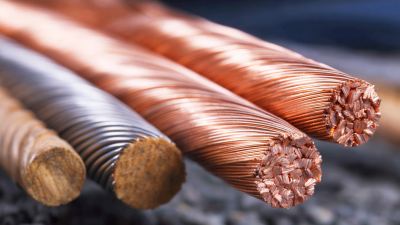
When selecting flexible wire, understanding the materials used in its manufacturing is crucial. Copper and aluminum are the primary materials. Copper offers excellent conductivity, making it a preferred choice in many applications. According to a report by MarketsandMarkets, the global flexible wire market is expected to grow significantly, driven by the increasing demand for electric vehicles and renewable energy solutions. This raises questions about sourcing sustainable copper in the face of rising global demand.
PVC or polyvinyl chloride is often used as insulation for flexible wires. Its durability and flexibility make it an ideal choice for various industries. However, concerns have emerged around environmental impact and safety. The International Energy Agency suggests a shift towards more sustainable insulation materials, as traditional options may pose risks.
Thermoplastic elastomers (TPE) are gaining traction as an alternative. They combine the flexibility of rubber with the recyclability of plastics. Their rising popularity indicates a shift in industry standards, as companies strive for sustainability and resilience. Despite these advancements, there is still room for improvement in materials used. Manufacturers are challenged to innovate further, ensuring both performance and environmental considerations are met effectively.
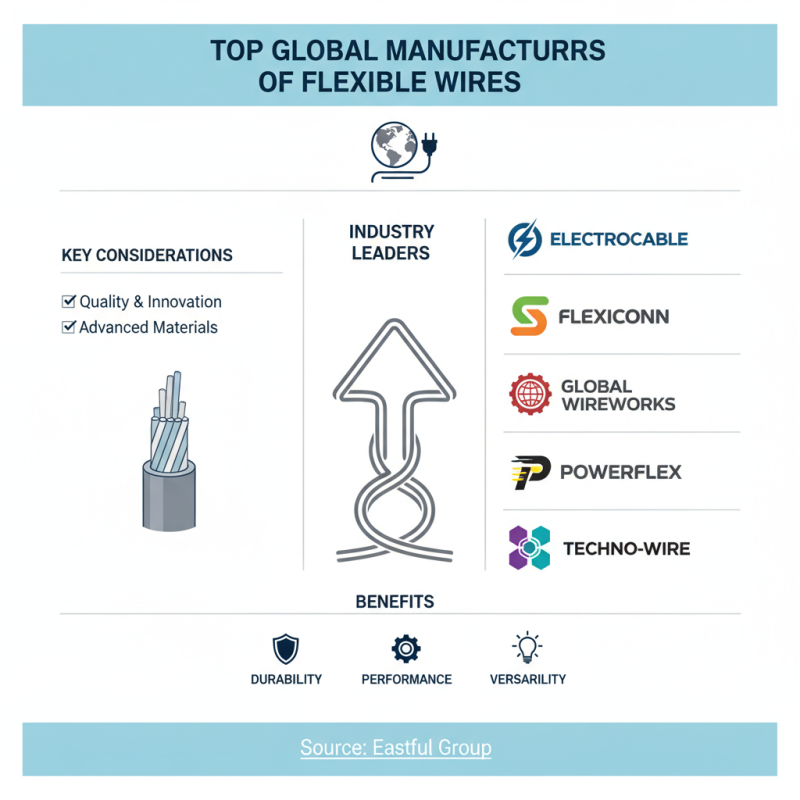
When selecting flexible wires, global buyers should consider various manufacturers known for their quality and innovation. Top players in the Flexible Cable market have established a reputation for producing reliable and versatile products. These manufacturers often use advanced materials, enhancing durability and performance across various applications.
One key tip is to assess the wire’s flexibility and material composition. A better understanding of these factors can lead to improved efficiency in projects. Look for manufacturers who prioritize testing their Flexible Cables under multiple conditions. This can help ensure consistent performance, especially in demanding environments.
Additionally, explore factors such as conductivity and temperature ratings. These specifications are crucial for safety and reliability. Don’t hesitate to request samples for testing. This process can highlight potential issues before larger orders are placed. The right flexible cable can make a significant difference in your project's success.
Flexible wires play a crucial role in diverse applications across industries. According to the International Wire and Cable Conference, the global demand for flexible wire is projected to reach $20 billion by 2025. This reflects a compound annual growth rate (CAGR) of 5.6%. Flexible wires are highly valued for their ability to bend and twist, making them ideal for robotics, automotive, and consumer electronics.
However, selecting the right flexible wire isn't always straightforward. There are various materials, such as copper and aluminum, each with unique properties. Copper has high conductivity and is often preferred for performance-sensitive applications. Yet, aluminum wires are lighter and less expensive, appealing to cost-conscious manufacturers. The choice depends on specific project requirements and ongoing technological advancements.
While flexible wires enhance innovation, inconsistencies in quality can pose challenges. A study from the Technical Association of the Pulp and Paper Industry indicated that improper installation or subpar materials can lead to significant failures. This highlights the need for thorough consideration and testing to ensure reliability. Evaluating suppliers and understanding material specifications is vital to achieving the desired performance in flexible wire applications.
When selecting flexible wires, several factors come into play. The material is crucial. Options range from copper to aluminum. Copper is more conductive but costlier. Aluminum is lighter and more affordable, yet it may not provide the same levels of durability.
Another consideration is insulation. For instance, a Flexible Rubber Cable offers excellent protection against moisture and abrasion. This is vital in outdoor or industrial settings. Flexibility and bend radius should also be examined. A wire that bends easily will suit tight spaces, but too much flexibility can lead to premature wear.
Lastly, voltage ratings must align with your application. Overloading a wire can cause overheating. Be mindful of safety standards in your locality. Testing the wire’s performance under real conditions can reveal limitations often overlooked. Choices may seem straightforward, but deeper evaluation is essential for optimal usage.
Cost considerations for global buyers of flexible wires are crucial when choosing the right products. Various factors influence pricing, including material quality, manufacturing processes, and shipping costs. A 2022 market analysis indicated that approximately 20% of the total cost comes from the sourcing of raw materials. For instance, copper prices have fluctuated significantly, impacting the final cost of flexible wire products.
When purchasing flexible wires, understanding the material composition is essential. High-quality materials might increase the initial investment but can offer better long-term performance and reliability. A report from the International Wire and Cable Association noted that buyers should expect a 10-15% premium for wires that meet strict safety and performance standards.
Tips: Always request multiple quotes to compare prices effectively. Be mindful of the total cost of ownership, not just the upfront price. Additionally, consider whether you need a Flexible Flat Cable for specific applications, as this could affect your overall purchasing strategy. Remember that investing in quality often pays off in durability and performance.
This chart represents the average cost per meter for different types of flexible wires. Copper wires are generally the most expensive, followed by tinned copper and silicone wires, while PVC wires are the most economical option for global buyers.
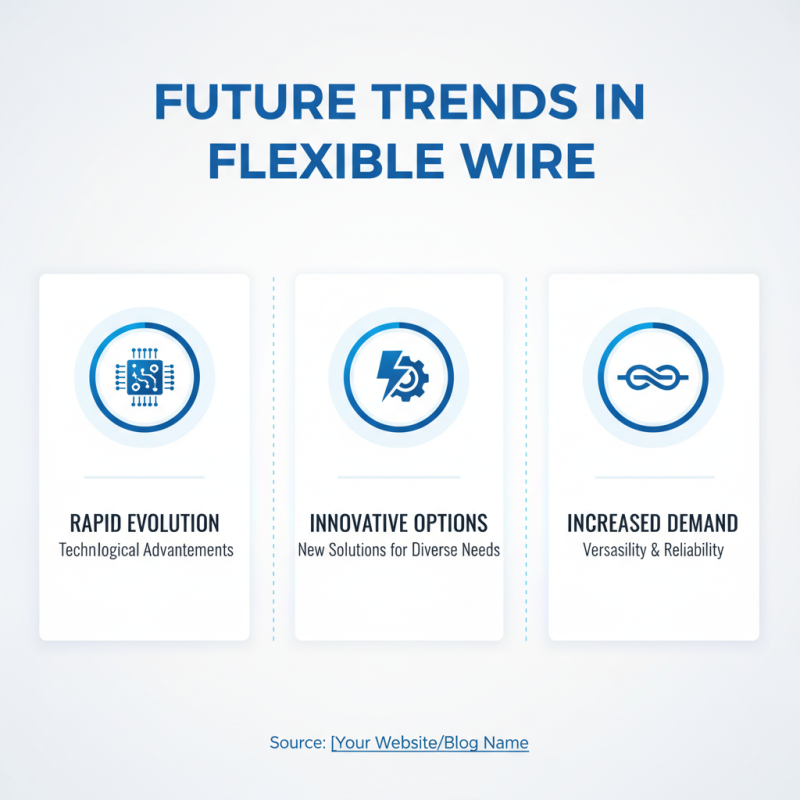
The flexible wire market is evolving rapidly. With advancements in technology, buyers can expect innovative options that cater to diverse needs. This shift reflects a growing demand for versatility and reliability.
One key trend is the increasing use of lightweight materials. These materials offer better conductivity without compromising strength. As industries move towards energy efficiency, lightweight flexible wires will play a crucial role. Additionally, eco-friendly production methods are gaining traction. Sustainable options attract both manufacturers and consumers alike.
Tips: When selecting flexible wire, consider factors such as temperature rating, insulation type, and flexibility requirements. It’s essential to evaluate the wire's performance in specific applications. Always consult with industry experts for tailored recommendations. This approach can prevent costly mistakes and ensure safety.
Another emerging trend involves smart technology integration. Flexible wires that incorporate sensors are becoming more common. These wires can monitor performance and detect issues in real-time. Such innovation will likely shape future applications in sectors like automation and renewable energy. Stay informed about developments to make the best choices for your projects.
: The primary materials are copper and aluminum. Copper is often preferred for its excellent conductivity.
Insulation, like PVC, protects wires but raises environmental concerns. Its durability is essential in various industries.
Yes, thermoplastic elastomers (TPE) are emerging as eco-friendly alternatives, combining flexibility with recyclability.
Material quality, manufacturing processes, and shipping influence pricing. About 20% of total costs come from sourcing raw materials.
Investing in high-quality wires may cost more initially but improves long-term performance and reliability.
Key trends include lightweight materials and eco-friendly production methods, responding to demands for energy efficiency.
Temperature rating affects wire safety and performance, critical for specific applications and environments.
Flexible wires with integrated sensors monitor performance and detect real-time issues, beneficial for automation and renewable energy.
Focusing solely on upfront costs can lead to poor decisions. Evaluating total ownership costs is essential for better investments.
Yes, expert advice can help tailor choices to specific needs and prevent costly errors in projects.
In the pursuit of identifying the best flexible wire options for global buyers, it is essential to understand the various types and characteristics of flexible wires, which can significantly influence their application across different industries. This includes an exploration of key materials used in manufacturing these wires, highlighting their functional properties that meet diverse needs.
Additionally, the article delves into a comparative analysis of flexible wire applications, ensuring that potential buyers consider critical factors such as intended use, cost considerations, and the reputation of global manufacturers. As the market evolves, emerging trends also hint at advancements in flexible wire technology, providing insights that can guide informed purchasing decisions for buyers worldwide.