Stock Code: 874632
    Leave Your Message
    0%

    Getting a handle on global purchasing isn’t exactly a walk in the park, you know? You really need to understand some solid best practices. That’s where the Bare Aaac framework comes into play — it’s a handy guide for buyers looking to step up their sourcing game. Basically, it stresses how important it is to stay flexible, be transparent, and build good relationships with suppliers.

    When you actually start applying Bare Aaac principles, you’ll notice decision-making gets a lot sharper in procurement. It pushes you to look at your supply chains more critically. Using specific metrics and feedback tools can really help improve performance and keep things running smoothly. That said, dealing with global trade can sometimes feel overwhelming, and if you ignore cultural differences, you’ll likely run into miscommunications or miss out on good opportunities.

    One thing’s for sure — being really skilled at using Bare Aaac is key to crushing it. Buyers should keep learning and get ongoing training. Building a network of trusted suppliers can definitely boost reliability, too. But here’s the thing — not every practice fits all companies. Some folks might find trying to implement every aspect a bit too much upfront. The trick is to adapt these principles to suit your unique situation — often through trial and error, and by tweaking your strategy as you go.

    Bare Aaac Best Practices for Global Buyers Explained

    Understanding Bare Aaac: A Comprehensive Overview

    Understanding Bare Aaac entails grasping a multifaceted approach to global buying. This concept emphasizes transparency, sustainability, and ethical practices. Buyers should be aware of the environmental impacts of their purchases. Not only does this align with global initiatives, but it also ensures responsible sourcing.

    Practices under Bare Aaac focus on accountability. Buyers must evaluate suppliers based on principles of fair trade and sustainability. Engaging local communities enhances trust and offers insights into regional challenges. It’s crucial to question the supply chain. Are materials sourced ethically? Are workers treated fairly? Buyers need to reflect on these questions for responsible decision-making.

    Challenges arise in implementing Bare Aaac. Not all suppliers will meet these standards. Some might resist transparency or ethical sourcing. This can lead to ethical dilemmas for buyers. Ongoing education and dialogue are essential. Buyers should invest time in understanding their choices. Collaborating with knowledgeable partners can alleviate confusion. Striving for adherence to these best practices is a continuous journey that requires commitment.

    Importance of Best Practices for Global Buyers

    Best practices for global buyers are crucial. They help navigate complex markets and foster successful partnerships. Understanding local cultures is integral. Individual preferences can drive market demands. Embracing these differences can lead to better engagement.

    Experience plays a significant role. Buyers should gather insights from industry experts. They can offer valuable perspectives on market trends and challenges. This knowledge helps in making informed decisions. An example is the Aaac Conductor market. Buyers here must consider product specifications, regional regulations, and supply chain dynamics.

    Reliability is non-negotiable. Establishing trust with suppliers is vital. Buyers must evaluate potential partners critically. Seeking references and past work can clarify their reputation. However, some partnerships may not work out as expected. Reflecting on past experiences helps refine future strategies. As markets evolve, staying adaptable is key. Embracing change can yield new opportunities.

    Key Principles of Bare Aaac for International Transactions

    In the realm of international transactions, understanding the key principles of Bare Aaac is crucial for global buyers. This framework emphasizes transparency and ethical conduct in every deal. Buyers must ensure that all parties involved clearly understand their roles and responsibilities. Effective communication is foundational. It builds trust, fostering long-term partnerships.

    Moreover, buyers should practice thorough due diligence. Investigating potential partners mitigates risks significantly. Collect data on their operational practices and history. This effort prevents surprises later on. Set realistic expectations and discuss them openly. In the fast-paced global market, misunderstandings can escalate quickly. Patience and clarity can lead to mutual benefits.

    Many buyers overlook the importance of continuous evaluation. After transactions, reflect on what went well and what didn’t. This practice creates opportunities for improvement. In a competitive space, adaptability is key. Learning from every transaction enhances future dealings. It ensures a buyer remains relevant and respected in the market.

    Bare AAAC Best Practices for Global Buyers

    Steps for Implementing Bare Aaac Best Practices

    Implementing Bare Aaac best practices starts with a solid assessment of supplier capabilities. This includes analyzing production capacity, certifications, and quality control measures. Industry reports indicate that effective supplier evaluation can reduce overhead costs by approximately 15%. A streamlined process ensures only reliable suppliers are onboarded.

    Next, establish clear communication channels. Frequent exchanges with suppliers lead to better alignment of expectations. Studies show that 80% of project delays result from poor communication. By using structured communication protocols, buyers can minimize these risks. Key performance indicators should be defined early to keep all parties accountable.

    Finally, invest in continuous training and feedback systems. Regular assessments of the Aaac Cable supply chain help identify areas for improvement. It is essential to adapt practices based on feedback. Embracing adaptability can transform potential weaknesses into strengths. The ideal practice is a dynamic approach that evolves with market changes.

    Bare Aaac Best Practices for Global Buyers Explained - Steps for Implementing Bare Aaac Best Practices

    Step Description Best Practice Expected Outcome
    1 Conduct a comprehensive market analysis to understand regional demand and supply chain dynamics. Gather data from diverse sources and engage local experts. Improved decision-making based on real-time data.
    2 Identify and collaborate with local suppliers to build a reliable supply chain. Establish strong partnerships with vetted suppliers. Enhanced supply chain resilience and reduced delays.
    3 Implement a quality control process to ensure standards are met. Regular audits and checklists should be used. Consistent quality of products leading to customer satisfaction.
    4 Leverage technology to enhance communication and tracking. Use platforms for real-time updates and information sharing. Increased efficiency and transparency in the supply chain.
    5 Regularly review and optimize procurement strategies. Stay adaptable to changing market conditions. Cost savings and improved operational efficiency.

    Challenges Faced by Global Buyers in Adopting Best Practices

    Global buyers face numerous challenges when adopting best practices in procurement. Understanding the intricacies of the Aaac framework is essential, but implementation often brings hurdles. For instance, cultural differences can impede collaboration. Buyers may struggle to align teams from diverse backgrounds. This misalignment can lead to misunderstandings and delays, causing frustration.

    Another common challenge is the ever-shifting regulatory landscape. Compliance with global standards may seem daunting. Buyers often find it difficult to remain updated on changing laws, especially in different regions. This uncertainty can hinder the decision-making process. It demands constant vigilance and adaptability, which not all teams possess.

    Moreover, there can be a lack of training and resources. Many organizations do not invest enough in educating their teams about Aaac best practices. This knowledge gap can prevent buyers from fully utilizing their resources. As a result, they may not achieve optimal outcomes in their procurements. Reflecting on these challenges helps identify areas for improvement in the adoption of best practices.

    Measuring the Effectiveness of Bare Aaac Strategies

    Measuring the effectiveness of Bare Aaac strategies requires a critical lens. Global buyers must assess various factors to determine success. An initial step involves data collection. Surveys and feedback can reveal insights about customer experiences. This information helps fine-tune strategies to meet diverse needs.

    Analyzing performance metrics is another key element. Track sales trends, customer retention, and engagement rates. These numbers provide a clear picture of what works and what needs change. However, relying only on analytics can be misleading. Not all factors are quantifiable. A qualitative approach through direct conversations can uncover hidden challenges.

    Reflections on challenges are essential. There may be areas where strategies fall short. Identifying these gaps allows for growth and innovation. Constant evaluation and adaptation are crucial to achieving long-term success in the global market. As needs evolve, so too should strategies.

    Future Trends in Global Buying Practices and Bare Aaac

    In global buying practices, trends are shifting rapidly. Buyers must adapt to new behaviors and technologies. The rise of digital marketplaces has changed how transactions occur. Access to diverse suppliers is easier than ever. However, challenges persist, including information overload and the risk of making uninformed decisions.

    Buyers now focus on sustainability and ethical sourcing. Consumers increasingly demand transparency regarding product origins. This puts pressure on buyers to vet suppliers carefully. A growing awareness of social responsibility is shaping purchasing decisions. Yet, not all organizations are prepared for this shift. Some still prioritize cost over ethics, risking their reputation.

    Technology plays a crucial role in evolving buying practices. Data analytics can enhance decision-making and reveal insights. However, reliance on technology can lead to blind spots. Human intuition and experience remain vital in assessing supplier relationships. Buyers must find a balance between data and qualitative assessments. The future of global buying will hinge on this integration.

    Harnessing the Power of Bare ACSS: A Comprehensive Guide to Next-Level Performance and Versatility

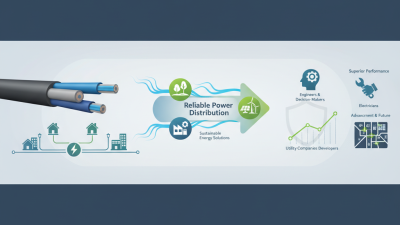
    Harnessing the power of Bare Acss Conductors revolutionizes overhead power transmission lines with their exceptional capacity and temperature resilience. Designed specifically for modern energy demands, ACSS (Aluminum Conductor Steel Supported) combines the excellent conductivity of aluminum with the robust strength of steel. This innovative composite concentric-lay stranded design not only ensures effective electrical performance but also withstands challenging environmental conditions, making it an ideal choice for utilities facing increasing power needs.

    The structural advantages of ACSS conductors lie in their design. The central steel core provides necessary strength and support, allowing the conductor to handle mechanical loads gracefully. Surrounding this core, layers of aluminum wire enhance conductivity while offering flexibility in various installations. Users can also select from a range of protective coatings, such as galvanizing or aluminizing, which prevent corrosion and extend the life of the conductor. Additionally, options for high-strength steel cores cater to specific application requirements, allowing for tailored solutions that meet diverse operational challenges while ensuring optimal performance.

    FAQS

    : What is the purpose of Bare

    aac in international transactions?

    Why is due diligence important for buyers?

    Due diligence helps buyers investigate potential partners. It reduces risks and prevents unexpected surprises during transactions.

    How can communication impact international transactions?

    Effective communication builds trust and fosters long-term partnerships. Poor communication can lead to misunderstandings and project delays.

    What should buyers evaluate when assessing suppliers?

    Buyers should analyze supplier capabilities, production capacity, and quality control measures. This helps identify reliable partners.

    How can buyers create continuous improvement after transactions?

    Reflecting on past transactions can highlight successes and areas needing improvement. This practice enhances future dealings.

    What role does adaptability play in the market?

    Adaptability is key to keeping buyers relevant. It helps transform weaknesses into strengths in a competitive space.

    What are the benefits of clear communication channels?

    Clear communication minimizes risks and aligns expectations between buyers and suppliers. Frequent exchanges are crucial for success.

    Why is continuous training necessary?

    Regular training helps to identify areas for improvement in the supply chain. This ensures practices evolve with market needs.

    How can buyers set realistic expectations?

    Discussing expectations openly reduces misunderstandings. Clarity and patience lead to better outcomes for all parties involved.

    What is a common mistake made by buyers?

    Many buyers overlook the importance of ongoing evaluation. Ignoring this can hinder growth and adaptability in their operations.

    Conclusion

    The article "Bare Aaac Best Practices for Global Buyers Explained" provides a thorough examination of Bare Aaac, emphasizing its significance in facilitating international transactions. A comprehensive overview highlights key principles that guide global buyers in adopting best practices, which are essential for ensuring efficient and effective procurement strategies. The piece outlines steps for implementing these best practices while also addressing common challenges faced by buyers during this transition.

    Furthermore, the article discusses methods for measuring the effectiveness of Bare Aaac strategies, enabling buyers to assess their procurement success. It concludes with a look at future trends in global buying practices, suggesting that adherence to Bare Aaac will continue to evolve and play a critical role in shaping international trade dynamics. Overall, understanding and applying Bare Aaac principles is vital for global buyers seeking to enhance their operational frameworks in an increasingly competitive marketplace.


    Emma

    Emma

    Emma is a dedicated and professional marketer at Yu Feng Technology Co., Ltd., where she brings her expertise to the forefront of the company's operations. With a deep understanding of the company's innovative products, she plays a pivotal role in creating informative and engaging content for the......
    Previous 2026 Top Network Rail Cable Solutions for Global Buyers?