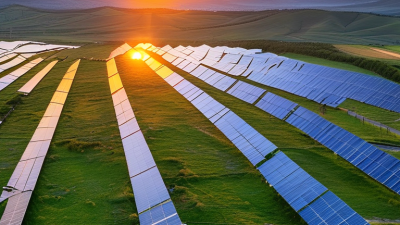
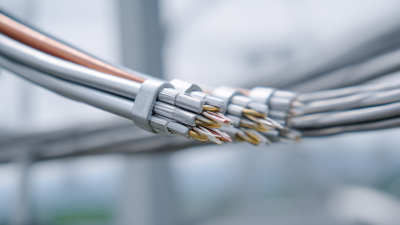
You know, the photovoltaic industry has really been picking up steam lately. As solar power becomes more popular than ever, the components that make it all work smoothly are getting a lot more attention too. Take Photovoltaic Wire, for example — it’s pretty much the backbone when it comes to connecting solar panels to inverters and the grid. Without it, everything just wouldn’t work as seamlessly.
There are quite a few top-notch suppliers in China who are well-known for delivering high-quality Pv Wires. Companies like Lapp Group and Jeneil come to mind—they’re trusted for making sturdy, reliable products. They’ve got the expertise to produce wires that meet pretty strict industry standards. Still, and I can't stress this enough, it’s always a good idea for consumers to do their homework and double-check those quality controls.
Even with reputable brands around, the market isn’t always straightforward. Some manufacturers might not always keep the quality consistent, so it’s super important to verify credentials and read customer reviews before making any purchases. Overall, in this booming sector, finding a dependable PV wire is honestly a key part of ensuring that your solar energy project turns out to be a success.
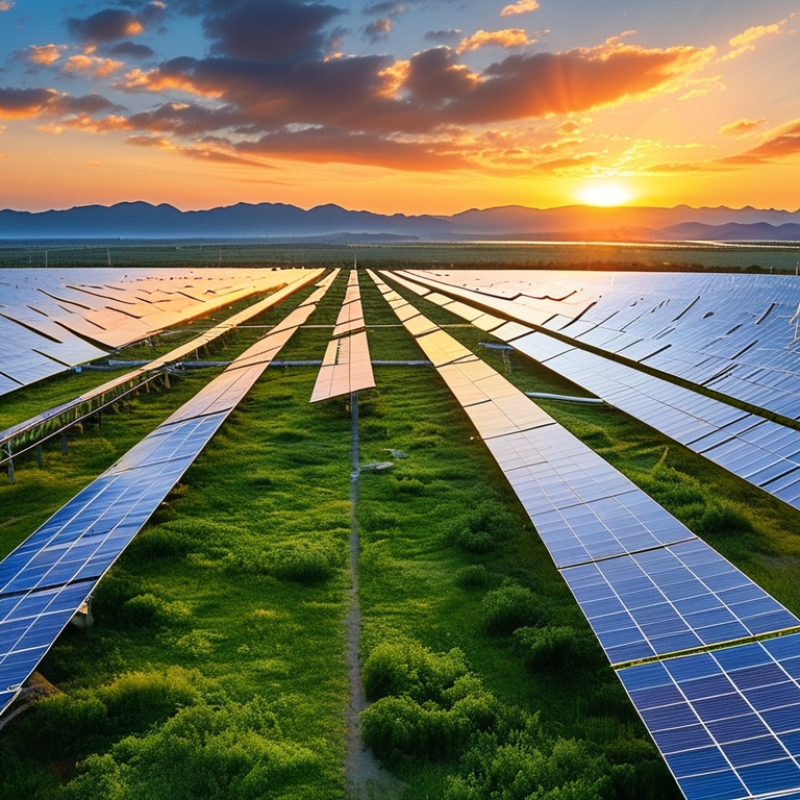
Overview of Photovoltaic Wires in China
Photovoltaic Wires are essential components in solar energy systems. They connect solar panels to inverters, allowing efficient energy conversion. In China, the production of photovoltaic wires has seen significant growth, driven by the booming solar market. The materials used in these wires are crucial for performance. High-quality insulation can withstand extreme temperatures and environmental conditions.
Manufacturers in China focus on enhancing durability and conductivity in Photovoltaic Solar Cable. Improved UV resistance ensures longevity when exposed to sunlight. The industry is aware of safety standards, making reliable products a priority. Many suppliers offer customizable options to meet specific project requirements. This flexibility can cater to various installation environments, which is often overlooked.
However, not all products meet stringent standards. This inconsistency can pose risks in energy efficiency. Some manufacturers may neglect thorough quality control processes. Buyers should conduct detailed research before selecting suppliers. Investing in quality photovoltaic solar cable can lead to better system performance and lower maintenance costs in the long run. The industry's ongoing challenges emphasize the need for more transparent practices.
China Best Photovoltaic Wire Suppliers and Their Advantages
| Supplier Type | Wire Type | Material | Temperature Rating | Advantages |
| Manufacturer | Solar PV Wire | Tinned Copper | -40°C to 90°C | High durability, corrosion-resistant |
| Distributor | Solar Cable | Copper | -40°C to 120°C | Highly flexible, UV resistant |
| Supplier | AC/DC Solar Wire | Aluminum | -40°C to 90°C | Cost-effective, lightweight |
| Manufacturer | Single-Core Wire | Copper Alloy | -40°C to 95°C | Enhanced conductivity, flexible design |
| Distributor | Multi-Core Wire | Stranded Copper | -40°C to 105°C | Versatile, easy to install |
Criteria for Selecting Photovoltaic Wire Suppliers
When selecting photovoltaic wire suppliers, several criteria should guide your decision. Quality should always be a priority. Photovoltaic Cables must withstand harsh weather conditions and high temperatures. Research indicates that high-quality cables reduce degradation rates significantly, ensuring longer system lifespans. Look for suppliers with stringent quality standards and reliable certifications.
Another essential criterion is the supplier's experience. Companies with extensive industry backgrounds often have a deeper understanding of market needs. They can offer insights on the best products for specific applications. Reports suggest that suppliers with over ten years of experience tend to have lower failure rates for their cables. Evaluate their track record and customer feedback for added assurance.
Cost-effectiveness is also crucial but should not overshadow quality. A low price may signal inferior materials. Keep in mind that investing in better photovoltaic wires can save money long-term through enhanced performance and lower maintenance costs. Consider potential pitfalls like hidden charges or poor after-sales support that may arise.
For a successful partnership, communication is key. Ensure the supplier is responsive and knowledgeable about photovoltaic cables. Transparent communication fosters trust and better problem-solving. As you assess potential suppliers, remember that a combination of quality, experience, and transparency will ultimately lead to the best choice.
Top Chinese Photovoltaic Wire Manufacturers
The photovoltaic wire industry in China boasts several key manufacturers renowned for their quality and performance. These companies focus on producing robust Solar Photovoltaic Cable that adheres to international standards. Their years of experience in manufacturing ensure reliability and efficiency in energy transmission systems. High-grade materials are used to resist harsh environmental conditions, enhancing the longevity of the cables.
A significant advantage of these manufacturers is their innovative technology. Many invest heavily in research and development. They aim to improve the performance of Solar Photovoltaic Cable. Although some companies may face challenges in scaling production, their commitment to quality remains unwavering. This dedication gives them an edge in a competitive market. Customer feedback often highlights the remarkable durability of their products.
However, not all manufacturers excel in every aspect. Some struggle with timely delivery, which can affect project timelines. It's crucial for buyers to conduct thorough research before choosing a supplier. Evaluating their track record and customer reviews can lead to better decisions. In the end, the right Solar Photovoltaic Cable can significantly impact the performance of solar energy systems.
Photovoltaic Wire Supplier Performance Comparison
Advantages of Quality Photovoltaic Wires
Quality photovoltaic wires are essential for the efficiency and safety of solar energy systems. These wires must withstand harsh environmental conditions. High-quality materials, such as UV-resistant insulation, prevent degradation. This enhances the longevity of the solar panel system.
Reliable suppliers often focus on rigorous testing processes. They ensure that their wires meet international standards. This attention to quality can significantly reduce maintenance costs over time. When a system operates smoothly, energy generation is maximized. Additionally, quality wires minimize power loss during transmission. This translates to more energy being used effectively.
Not all suppliers maintain the same level of quality. Some may prioritize cost over durability. Buyers should consider long-term benefits rather than initial savings. Investing in quality wires pays off. The right choice ultimately leads to more reliable performance and sustainability in solar energy systems.
Innovations in Photovoltaic Wire Technology
Innovations in photovoltaic wire technology have significantly improved efficiency and durability in solar energy systems. Recent advancements include enhanced insulation materials that resist extreme weather conditions. This results in longer-lasting wires, reducing maintenance needs. Another innovation is the development of lightweight photovoltaic wires. These wires are easier to install and handle, making the setup process more efficient for installers.
The integration of smart technology into photovoltaic wires is noteworthy. Wires can now monitor their condition and send data in real-time. This capability allows for proactive maintenance, minimizing unexpected failures. It’s fascinating how these innovations can lead to a more sustainable energy future.
When choosing wires, consider using Tree Wire And Spacer Wire in your projects. This selection can improve your setup's reliability. Keep an eye on emerging technologies to stay updated on the best practices. The photovoltaic industry must continuously innovate to keep pace with growing energy demands. Each improvement opens new pathways for efficiency and reliability in solar installations.
Comparison of Pricing Among Leading Suppliers
In the competitive realm of photovoltaic solutions, pricing plays a pivotal role in supplier selection. Recent industry reports indicate that the price for photovoltaic wires can vary significantly among suppliers, ranging from $0.15 to $0.30 per meter based on quality and performance specifications. While some suppliers may offer lower initial costs, it is crucial to consider long-term durability and efficiency impacts on overall investment returns.
When comparing pricing, factors like conductor material and insulation quality come into play. Copper wires, for instance, often come at a premium. However, they offer superior conductivity compared to aluminum options, which might seem cheaper upfront. A recent analysis highlighted that the total cost of ownership for copper wiring can be lower, given its longevity and efficiency.
Evaluating pricing also means looking beyond the base costs. Some suppliers provide warranties or support services that enhance value. Buyers should assess these ancillary offerings. How does customer service compare across suppliers? An appealing price tag may not justify poor responsiveness or support.
Investing in quality reflects a long-term perspective. Understanding market trends and supplier backgrounds adds nuance to your decision-making. Use this knowledge to negotiate effectively, potentially leveraging data from multiple suppliers to secure the best deal.
Future Trends in the Photovoltaic Wire Industry in China
The photovoltaic wire industry in China is on the brink of exciting developments. There is a growing emphasis on sustainability and innovation. Manufacturers are exploring new materials and technologies. The shift towards eco-friendly production processes is significant. This not only aligns with global climate goals but also caters to the increasing consumer demand for greener solutions.
As the market evolves, the focus is shifting from merely meeting standards to exceeding expectations. Companies are investing in research and development to enhance wire durability and efficiency. This evolving landscape presents challenges, such as the need for skilled labor and advanced technology. Many firms face hurdles in aligning their production with the latest standards. Adaptation is no longer optional; it is necessary for survival.
Consumer awareness is also rising. Buyers now seek products that guarantee reliability and performance. Transparency in manufacturing processes is becoming crucial. However, not all manufacturers are ready to meet these expectations. This gap presents opportunities for growth but also raises ethical concerns. The industry must reflect on its practices to maintain credibility and trust in the long run.
Exploring the Versatility and Applications of XHHW-2 RHH RHW RHW-2 USE-2 Building Wire in Modern Construction
The diversity of environments encountered in modern construction necessitates the use of reliable and versatile building wires. Among the various options available, XHHW-2, RHH, RHW, RHW-2, and USE-2 building wires stand out due to their cross-linked polyethylene (XLPE) or rubber insulation. These wires are specifically designed to perform in a range of conditions, including dry and wet locations, as well as applications involving direct burial. Their robust construction ensures that they meet the stringent demands of residential, commercial, and industrial settings.
One of the key advantages of these wire types is their exceptional thermal stability. This property enables them to withstand high temperatures without compromising performance, making them an ideal choice for areas with fluctuating thermal conditions. Furthermore, the chemical resistance offered by these wires guarantees longevity and reliability, reducing the likelihood of degradation over time. Electrical insulation is critically important, especially in environments where moisture is present, ensuring the safety and efficiency of electrical systems within various building infrastructures.
The applications of XHHW-2, RHH, RHW, RHW-2, and USE-2 building wires are extensive. Whether it’s in residential wiring, commercial buildings, or industrial installations, these wires provide a reliable solution for powering various electrical systems. Their ability to perform in diverse applications underscores the importance of selecting the right type of building wire, ensuring functionality and safety in modern construction projects.
FAQS
: Photovoltaic wires connect solar panels to inverters, enabling energy conversion in solar systems.
High-quality insulation withstands extreme temperatures and environmental conditions, enhancing wire performance.
Pricing varies based on conductor material, insulation quality, and supplier offerings.
Not necessarily. Cheaper wires may lack durability, affecting long-term energy efficiency.
Yes, reliable customer service is crucial. Poor support can negate cost benefits of cheaper options.
Copper wires are pricier but offer better conductivity and efficiency over time compared to aluminum.
Inconsistent quality can compromise performance. Ensure suppliers follow stringent quality control standards.
Many suppliers offer customizable options to meet various project needs.
Warranties enhance value and ensure protection against potential failures in installation.
Inadequate quality checks and transparency remain issues, impacting overall consumer trust and product reliability.
Conclusion
The article provides a comprehensive overview of photovoltaic wires in China, detailing the essential criteria for selecting reliable suppliers in the industry. It outlines the top manufacturers and emphasizes the advantages of high-quality photovoltaic wires, such as durability, performance, and efficiency. Moreover, it discusses recent innovations in photovoltaic wire technology that enhance energy transmission and installation safety.
Additionally, the article highlights the importance of pricing comparisons among leading suppliers, giving insights into market competitiveness. It concludes by examining future trends in the photovoltaic wire industry, suggesting a shift toward greater sustainability and technological advancements that will likely shape the market landscape in the coming years. Overall, the content reflects the growing significance of photovoltaic wires in the renewable energy sector.