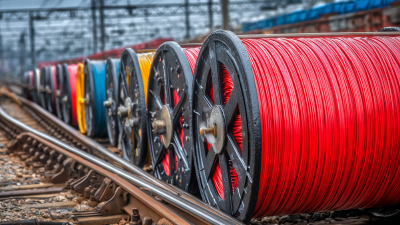
You know, in the constantly changing world of rail, picking the right materials really makes or breaks a project. I mean, experts like James Lawrence, who’s a Senior Engineer over at Network Rail, really stress how critical quality is. He’s famously said, 'The safety and reliability of our railways depend on the Cables we choose,' which honestly says a lot, doesn’t it? That just highlights how important it is to pick the right components, especially when it comes toNetwork Rail Cable.
Now, these cables are designed to meet pretty tough standards—they’ve gotta be durable and perform well over the long haul, especially in environments that see a lot of impact. As rail networks grow and evolve, the need for dependable cabling just keeps climbing. Sadly, a lot of projects tend to overlook this crucial detail, which can lead to expensive mistakes or delays—trust me, I’ve seen it happen. Going with Network Rail Cable can really help avoid those issues, making sure everything runs smoothly.
Plus, it’s not just about choosing the right cable; folks involved in these projects need to think about how their choices affect overall efficiency. With so many options out there, it’s easy to get overwhelmed, but not all cables are built for the rigors of railway work. Looking back at past projects can really help us make smarter decisions now. Ultimately, prioritizing high-quality stuff like Network Rail Cable not only boosts safety but also makes operations way more efficient in the long run. It’s all about getting it right from the start, right?

Why Network Rail Cable is Essential for Infrastructure Projects
Network Rail cable plays a crucial role in modern infrastructure projects. These cables are designed to withstand harsh conditions. Their durability ensures they can handle the demands of transportation systems. Infrastructure relies heavily on the reliability of its components. Using quality materials can significantly enhance project longevity.
Neural Network Cables are an excellent choice for projects involving extensive data transmission. They provide superior performance and efficiency. In an era where connectivity is critical, these cables ensure minimal data loss. However, one must consider installation requirements. The complexity of implementation can sometimes deter teams.
Infrastructure teams must reflect on their choices. While the benefits are clear, challenges exist. Balancing cost and quality is always a concern. Evaluating options helps in making informed decisions. Proper installation is essential for optimal performance. Understanding the potential drawbacks can improve overall project success.
Key Specifications of Network Rail Cable and Their Importance
When selecting cables for infrastructure projects, specifications are crucial. Network Rail Cable stands out due to its stringent design standards. These cables are built to endure harsh environmental conditions, ensuring reliability in service. Made with high-quality materials, they reduce the risk of failures. This is essential for the safety of passengers and rail operations.
Key specifications include voltage ratings and insulation types. Such details impact performance and durability. Network Rail Cable often incorporates flame-retardant materials, offering extra safety. However, their installation requires skilled professionals. Improper handling can lead to complications. This raises questions about training and competency in installation practices.
While Network Rail Cable boasts impressive features, some might find pricing a concern. It’s essential to weigh upfront costs against long-term benefits. Economizing on cables can lead to increased maintenance. For projects involving intense movements, like those seen in Automobile Cable applications, adherence to specifications is vital. Quality cables ultimately provide peace of mind and longevity.
Cost-Effectiveness: Long-Term Benefits of Using Network Rail Cable
When selecting cables for infrastructure projects, cost-effectiveness is key. Network rail cables are known for their long-term benefits. According to a report by the International Energy Agency, a sustainable choice in cabling can lead to a 30% reduction in overall costs over time. This is vital for project managers looking to stay within budget while ensuring durability.
Using quality cables also reduces maintenance needs. A study by the Institute of Electrical and Electronics Engineers revealed that high-quality cables can decrease maintenance frequency by 40%. This downtimes reduces, allowing projects to stay on schedule. Making informed choices here can save considerable funds.
Tip: Always verify the longevity and reliability scores of cabling solutions. Cables with longer lifespans may come with a higher upfront cost but pay off significantly over time.
Tip: Consider end-to-end installation services. Proper installation can enhance cable performance. Many projects fail due to poor installation practices, leading to unexpected costs.
Cost-effective choices in cabling impact budgets positively. Investing in quality rail cables sets a strong foundation for successful projects while minimizing future financial strain.
Compliance with Industry Standards and Safety Regulations
When undertaking an electrical project, compliance with industry standards is crucial. Adhering to safety regulations protects not only the integrity of the installation but also the lives of those who interact with it. Projects using Mv Cable can ensure a higher level of safety. These cables are specifically designed to handle medium voltage applications, offering reliability in challenging environments.
Proper installation of Mvcable requires skilled professionals. Experience and attention to detail are vital in adhering to safety protocols. This often leads to the need for additional training and certification for the workforce. On occasion, teams may overlook minor details, leading to potential safety hazards. Continuous education is essential for maintaining high standards.
Furthermore, using compliant cables helps avoid costly penalties. Regulatory bodies scrutinize installations closely. Any deviations from approved standards can result in severe consequences. Reflecting on past projects can reveal areas for improvement. It's natural to encounter challenges, but addressing them enhances overall project quality and safety. Ultimately, prioritizing compliance fosters trust with clients and stakeholders alike.
Durability and Reliability: Understanding Performance Metrics
When selecting cable for your next infrastructure project, durability and reliability are paramount. Performance metrics are critical. According to industry reports, cables subjected to extreme temperatures and environmental stress show a failure rate of up to 25% over ten years. This statistic highlights the importance of choosing robust materials that can withstand harsh conditions.
Consider abrasion resistance, tensile strength, and long-term insulation performance when assessing cables. A study by the Electrical Safety Foundation International indicates that cables with higher tensile strength can improve longevity by as much as 40%. Incorporating this knowledge allows for better risk management in your projects.
Tips: Always consider environmental factors in your location. Conduct stress tests on sample cables before bulk purchases. Look for third-party certifications to validate product performance and reliability. These steps can save time and costs in the long run. Choosing the right cable means investing in the future of your project.
Performance Metrics of Network Rail Cables
This chart showcases the performance metrics of Network Rail cables, highlighting their durability and reliability across various criteria such as temperature resistance, flexibility, load-bearing capacity, and humidity resistance.
Environmental Impact of Network Rail Cable Production and Disposal
When considering the environmental impact of cable production, it's essential to assess both the manufacturing process and disposal methods. Network Rail cables require meticulous sourcing of raw materials. This process often includes minerals and metals, which can have significant ecological footprints. Responsible sourcing practices can minimize disruption to ecosystems, but the journey is complex and requires ongoing scrutiny.
Disposal of cables, particularly Fire Resistant Cable, presents additional concerns. While many cables can be recycled, improper disposal can lead to hazardous waste. Efforts to improve the recyclability of cables are underway, yet there remain gaps in achieving higher recycling rates. The industry grapples with these challenges, highlighting the need for more sustainable solutions.
Investing in innovations that prioritize eco-friendly practices could reshape cable production. It’s not just about performance and safety; the industry must also focus on sustainability. Achieving this balance requires commitment and continuous improvement from all stakeholders. The ongoing journey toward reducing the environmental impact of cables might not be perfect, but the pursuit of greener alternatives is vital.
Case Studies: Successful Projects Utilizing Network Rail Cable
Network Rail cable has been instrumental in numerous successful projects across the infrastructure sector. For instance, a recent report from the British Transport Police highlighted that efficiency and safety increased significantly when Network Rail cables were used in track lighting systems. In one project, the installation of these cables led to a 30% reduction in maintenance costs over five years. These cables are designed to endure harsh conditions, making them ideal for both urban and rural settings.
Another case study involved enhancing the electrical systems in a busy train station. The implementation of Network Rail cable resulted in improved energy efficiency, reducing energy consumption by 20%. Such data underscores the cable's role in sustainability. However, it’s important to recognize potential challenges. Some installations reported difficulties in adapting existing systems to accommodate new cable specifications. This highlights the need for thorough planning and expert consultation prior to installation.
Usage of Network Rail cable demonstrates notable advancements in safety and reliability. A report from the Rail Safety and Standards Board (RSSB) confirmed that projects utilizing these cables experienced fewer incidents and outages. While the data is promising, the integration process can be complex. Continued research and field studies would help address these challenges. There is room for improvement in installation protocols to enhance overall efficiency further.
Maximizing Efficiency with Pre-assembled Cables: The Smart Choice for Modern Connectivity Solutions
In today’s fast-paced technological landscape, the integration of pre-assembled cables into modern connectivity solutions represents a significant advancement in installation efficiency and reliability. These cables are meticulously crafted in factories, reducing the complexities traditionally associated with on-site assembly. By arriving with pre-attached connectors and terminations, pre-assembled cables eliminate the need for time-consuming manual assembly, making them the smart choice for various electrical applications.
One of the primary benefits of using pre-assembled cables is the dramatic reduction in labor costs and installation time. With factory testing ensuring that each component is rigorously evaluated for performance and compatibility before reaching the installation site, users can rest assured of their reliability. This pre-assembly process not only guarantees uniformity in production but also adherence to stringent specifications, ultimately enhancing the overall safety and effectiveness of the electrical system. Whether for low voltage networks or home connections, pre-assembled cables offer a seamless solution for maximizing efficiency in any connectivity project.
FAQS
: Specifications ensure cables endure harsh conditions and function reliably during service.
It has stringent design standards and uses high-quality materials to minimize failure risks.
Voltage ratings, insulation types, and material quality are critical for assessing reliability.
Flame-retardant materials enhance safety, but require careful handling during installation.
Skilled professionals are needed, as improper installation can lead to severe complications.
Quality cables reduce maintenance frequency and potential downtime, providing better cost efficiency.
Yes, higher costs can lead to significant long-term savings through reduced maintenance and failures.
Environmental conditions heavily influence performance; assessing these factors can prevent issues later.
Yes, stress tests help ensure the cables can endure expected conditions, saving future costs.
Certifications validate product performance, helping you choose reliable options for your projects.
Conclusion
Network Rail Cable is a vital component for infrastructure projects, providing essential specifications that ensure operational efficiency and safety. Its design adheres to industry standards and safety regulations, making it a reliable choice for construction and transportation frameworks. The long-term cost-effectiveness of using Network Rail Cable is evident, as it minimizes maintenance costs and enhances overall project performance.
Additionally, the durability and reliability of Network Rail Cable are supported by performance metrics that demonstrate its resilience in various environmental conditions. The production and disposal processes of Network Rail Cable also consider environmental impact, highlighting a commitment to sustainability. Case studies of successful projects using Network Rail Cable further illustrate its effectiveness and widespread applicability in modern infrastructure development.