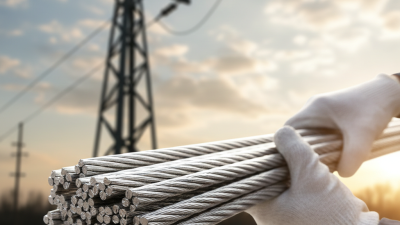
Looking ahead to 2026, picking the right Electrical Cables for your projects is becoming more important than ever. Did you know that, according to a report from Global Market Insights, the worldwide demand for electrical cables is expected to top $200 billion by 2027? That’s a huge jump, and it really speaks to how much technology and infrastructure are evolving. With new materials and smarter manufacturing processes, these cables are getting better at delivering performance and reliability.
That said, diving into the world of electrical cables can feel a bit overwhelming. There are so many types, sizes, and ratings—it’s enough to make your head spin. It’s really important to understand what your project needs so you don’t end up with issues down the line, or worse, safety problems. Plus, with the push towards energy efficiency and eco-friendly practices, there’s an extra layer to think about. The International Energy Agency stresses just how critical high-quality cables are for energy-saving efforts.
Of course, despite all these trends and insights, there’s still a bit of a knowledge gap. Lots of professionals admit they feel a little unsure when it comes to choosing the right cables. That hesitation shows we could all use more training and better resources. Bottom line? Taking a careful, informed approach to selecting electrical cables is key to keeping up with modern construction and electrical systems—so don’t underestimate the importance of getting it right.

Understanding the Basic Types of Electrical Cables Available in 2026
When it comes to choosing electrical cables in 2026, understanding the basic types is crucial. Electrical cables come in various types, each serving unique purposes. Two common types are Non-Metallic Sheathed Cable (NM) and Armored Cable (AC). NM is popular in residential projects due to its light weight and ease of installation. AC is often used in commercial settings for added protection against physical damage.
Another important category is coaxial and fiber optic cables. Coaxial cables are ideal for transmitting cable television and internet signals. They have a unique structure that minimizes interference. Fiber optic cables offer a high-speed internet experience and are perfect for data transmission across long distances. Their light transmission capabilities make them superior in speed and quality.
When choosing a cable, always consider its application. Do you need flexibility or durability? It’s also essential to check the voltage rating. Often, people overlook this detail. They might select the wrong type, which could lead to inefficiency or even hazards. Take the time to evaluate your project's specific needs to ensure safety and reliability.
Key Factors to Consider When Selecting Electrical Cables for Projects
When selecting electrical cables for your projects, consider several key factors. The first is the application. Different projects require different cable types. For instance, residential wiring may call for lower voltage cables. However, industrial applications demand high-capacity options to support heavy machinery.
The environment is another critical factor. Cables used outdoors need to withstand weather elements. Look for materials that resist moisture and UV rays. In contrast, indoor cables may prioritize flexibility and ease of installation. Choosing the right insulation type is essential for performance and safety.
Tips: Always double-check the cable’s amperage rating. Overloading can lead to failures. Research local building codes before making your purchase. This eliminates the risk of compliance issues. Remember, no project is too small to require careful consideration of cable specifications. Take your time to avoid costly mistakes.
Industry Standards and Regulations Influencing Cable Selection in 2026
When selecting electrical cables for your projects in 2026, understanding industry standards is crucial. Standards guide how cables are manufactured and their intended applications. Regulations like NEC (National Electrical Code) and IEC (International Electrotechnical Commission) impact cable choices significantly. Being aware of these standards can prevent serious mistakes.
Tips for ensuring compliance include reviewing local codes before making purchases. Check the voltage ratings and insulation types. Certain environments require specific materials to resist moisture or chemicals. Failure to comply can lead to safety hazards and project delays.
It’s important to ask questions when unsure about any specifications. Typically, the right cable will enhance safety and efficiency. Get familiar with the latest trends in Building Electrical Wire. As technology continues to evolve, staying up-to-date is essential. Inadequate information at this stage can lead to costly revisions later. Adaptability is key. You may need to modify your choices as new standards emerge.
Evaluating Cable Specifications: Voltage, Ampacity, and Insulation Ratings
Choosing the right electrical cables for your projects in 2026 is crucial. Understanding key specifications is the first step. Voltage ratings specify the maximum electrical potential a cable can handle. Selecting a cable with the appropriate voltage rating is essential to prevent overheating or failure. For instance, a low-voltage cable may not withstand high loads.
Ampacity is another critical factor. It indicates the maximum current a cable can safely carry. When installing cables, consider the environment. Temperature and installation method affect ampacity. Ensuring you choose the right gauge can prevent hazards. Using a Urd Electrical Cable may enhance reliability in underground applications, providing sturdy insulation and adequate ampacity.
Insulation ratings matter significantly. They determine a cable's ability to withstand environmental factors like moisture and chemicals. Using cables with appropriate insulation can prevent shorts and electrical fires. Reflect on the specific needs of each project. Do not rush this decision. Assess your project's requirements carefully. A well-informed choice enhances safety and longevity.
Environmental Considerations for Cable Materials and Applications
Selecting electrical cables involves considering the environmental impact of materials and their applications. Many cables use PVC, which poses recycling challenges. Alternatives like thermoplastic elastomers offer greater sustainability. These materials can reduce carbon footprint in the long run.
When assessing cable choices, think about the application context. Outdoor cables need UV resistance, while indoor cables should focus on flame retardance. The choice of insulation material directly affects longevity and safety. Thus, it's essential to evaluate both performance and environmental implications.
Improper choices can lead to waste and inefficiency. Some cables are over-engineered for simple tasks, which wastes resources. Other times, cheaper options may neglect needed features. Balancing cost and functionality is crucial for responsible project planning. Evaluate all factors to ensure a positive impact on the environment.
Future Trends in Electrical Cable Technology: Smart and Sustainable Options
As we look toward 2026, electrical cable technology is evolving rapidly. The demand for smart and sustainable wiring solutions is rising. Emerging trends focus on eco-friendly materials and advanced functionality. New developments in Electrical Building Wire emphasize not just performance but also environmental impact. Manufacturers are exploring recyclable materials that reduce waste.
Smart cables are becoming increasingly prevalent. These cables can monitor electrical flow in real time. They help in maintenance and energy efficiency. Optical fibers are being integrated into Electrical Building Wire for data transfer, allowing seamless communication. This evolution is thrilling, yet it raises questions about compatibility with existing systems. Adjustments and awareness are necessary for a smooth transition.
Choosing the right electrical cables for projects involves more than just specifications. Understanding future trends can significantly influence your decisions. A thoughtful approach can lead to innovative applications. However, awareness of potential pitfalls is crucial. Not every new material or technology may suit your project. Careful consideration will ensure that your investments align with the future of sustainable electrical wiring.
Cost Analysis: Budgeting for Quality Electrical Cables in Your Projects
When budgeting for electrical cables in 2026, a thoughtful approach is essential. Industry reports indicate that the average cost of quality electrical cables has increased by approximately 10% over the past year. Factors such as raw material prices and supply chain disruptions have contributed to this rise. As a result, understanding your project's needs will help allocate funds wisely.
Choosing the right type of cable is not just about cost. It’s also about durability and performance. Tps Electrical Cable offers various options that can meet specific project requirements. For instance, costs can vary widely depending on specifications like length, gauge, and insulation type. A project that opts for cheaper alternatives may face long-term maintenance issues. Some projects might overlook this critical aspect, leading to regret later.
Monitoring performance can help mitigate future costs. According to a recent industry analysis, investing in quality cables minimizes downtime and repair needs by nearly 30%. Effective budgeting should consider these long-term savings. While short-term costs for Tps Electrical Cable might seem high, a comprehensive cost analysis reveals that the value outweighs initial expenses. Planning ahead ensures you choose cables that won’t just meet present requirements but will also stand the test of time.
Essential Guide to LV Cables for Road Vehicles: Ensuring Safety and Efficiency on the Road
Low Voltage (LV) Cables for Road Vehicles play a critical role in the automotive electrical systems, facilitating the safe and efficient transmission of power and signals between various components of a vehicle. Operating below 60 volts, these cables are essential for powering lighting, instrumentation, control systems, and a host of other electronic devices. Their significance cannot be overstated, as modern vehicles increasingly rely on sophisticated electrical frameworks to deliver performance, safety, and convenience.
Designed to withstand challenging automotive environments, LV cables are built with materials that resist high temperatures, vibrations, chemicals, and mechanical stresses. This durability ensures that the cables maintain reliable functionality even in the face of demanding conditions. As the automotive industry continues to evolve with advancements in technology, the importance of robust LV cables becomes more pronounced, supporting a wide array of functionalities that enhance the overall performance and safety of road vehicles. By prioritizing the reliability and efficiency of these essential components, manufacturers can ensure that vehicles operate seamlessly, meeting the needs of both drivers and passengers alike.
FAQS
: Consider the application, environment, and insulation type for performance and safety.
Outdoor cables need UV resistance, while indoor cables prioritize flexibility and flame retardance.
Always double-check the amperage rating to avoid overloads, which can lead to failures.
Some materials, like PVC, can be hard to recycle. Opt for sustainable alternatives when possible.
Allocate funds based on your project's specific needs, considering both upfront and long-term costs.
Cheaper options may lack necessary features, leading to long-term maintenance issues.
Investing in quality cables can reduce downtime and repair needs significantly.
Ignoring local building codes can lead to compliance issues and costly corrections later.
Over-engineered cables for simple tasks waste resources and can impact project budgets negatively.
Consider both performance and environmental implications to make responsible choices.
Conclusion
In 2026, selecting the right electrical cables for your projects requires a comprehensive understanding of the various types available, as well as key factors that influence cable selection. Important considerations include the cable specifications such as voltage, ampacity, and insulation ratings, which are vital for ensuring safety and efficiency. Additionally, adherence to industry standards and regulations must be prioritized to comply with legal requirements.
Environmental factors play a crucial role in choosing the appropriate cable materials for specific applications, promoting sustainability and performance. Future trends indicate a growing focus on smart and sustainable electrical cables, reflecting advancements in technology. Finally, conducting a thorough cost analysis is essential for budgeting, ensuring that quality electrical cables are sourced without compromising on performance and safety. Overall, making informed decisions regarding electrical cables can greatly enhance project outcomes.