Lately, there's been a real uptick in demand for Copper Clad Steel Wires, and honestly, it’s no surprise. With technology advancing so quickly and the need for better, more efficient electrical conductors popping up everywhere, it’s shaping the market big time. I came across a report from Allied Market Research, and it mentioned that the global market for copper clad materials could hit around $1.5 billion by 2025—that’s a pretty solid jump, with a CAGR of about 6.8%.
Eastful Group Co., Ltd., you know, a major player in high-tech, has been riding this wave since way back in 1997. They put a lot of effort into R&D, manufacturing, and selling these wires and Cables. Plus, they've set up some serious research platforms, includingacademician expert workstations and provincial-level R&D centers, which keeps them right on top of the latest trends in Copper Clad Steel Wires. It’s all about staying compliant with industry standards but also meeting the rising market needs.
As we look ahead to 2025, understanding what’s happening in this space is going to be super important for anyone involved in wires and cables—whether you’re a manufacturer, supplier, or just someone curious about where things are headed.
Future Innovations in Copper Clad Steel Wire Technology for 2025
As we edge closer to 2025, it's pretty exciting to see how innovations in copper clad steel wire technology are actually going to shake things up across a bunch of industries. One thing that's really standing out is how they’re improving conductivity without sacrificing strength — yeah, still super tough, but now handles electricity better too. That combo makes copper clad steel a pretty tempting choice over traditional wiring, especially when you need something flexible yet durable. Think telecom setups or car manufacturing—these wires are turning heads.
If you’re thinking about upgrading your projects with copper clad steel, a little tip: pay close attention to quality. Make sure the gauge matches your current systems and that the copper coating is high purity — it really makes a difference in how well it conducts. Also, going with reputable manufacturers can save you headaches down the line, thanks to better warranties and reliable performance.
And here’s some good news: more and more companies are jumping on the eco-friendly bandwagon. They’re finding smarter ways to cut waste and boost recycling of used wires, which is pretty awesome if you ask me. Staying in the loop about these green practices can help you pick better materials and contribute to a more sustainable future. It’s kinda exciting to see innovation and sustainability going hand in hand, isn’t it?
Key Industry Trends Influencing Copper Clad Steel Wire Demand
So, it looks like the demand for copper clad steel wires is really on the rise, mainly because of some big industry trends shaking up the steel market. I was reading recent reports from the World Steel Association, and it turns out that Thailand’s steel industry is still struggling with low capacity utilization. A lot of that has to do with economic ups and downs and tougher competition from imported steel products. That said, it actually makes the case for innovative solutions like copper clad steel wires — which are basically a mix of copper’s good conductivity and steel’s strength. These wires are becoming pretty popular for use in construction and electrical projects.
And here’s an interesting bit: market forecasts are saying that the global market for structural copper wire could hit around USD 20.7 billion by 2024. Plus, it’s growing at a healthy rate of about 5.3% annually up to 2034. This boom is mainly driven by more investments in renewable energy and the rising need for lightweight materials in various industries. All in all, these trends really highlight how important copper clad steel wires are becoming — they help boost performance while also addressing some of the economic challenges in Southeast Asia’s steel industry.
Comparative Analysis: Copper Clad Steel vs. Traditional Wires
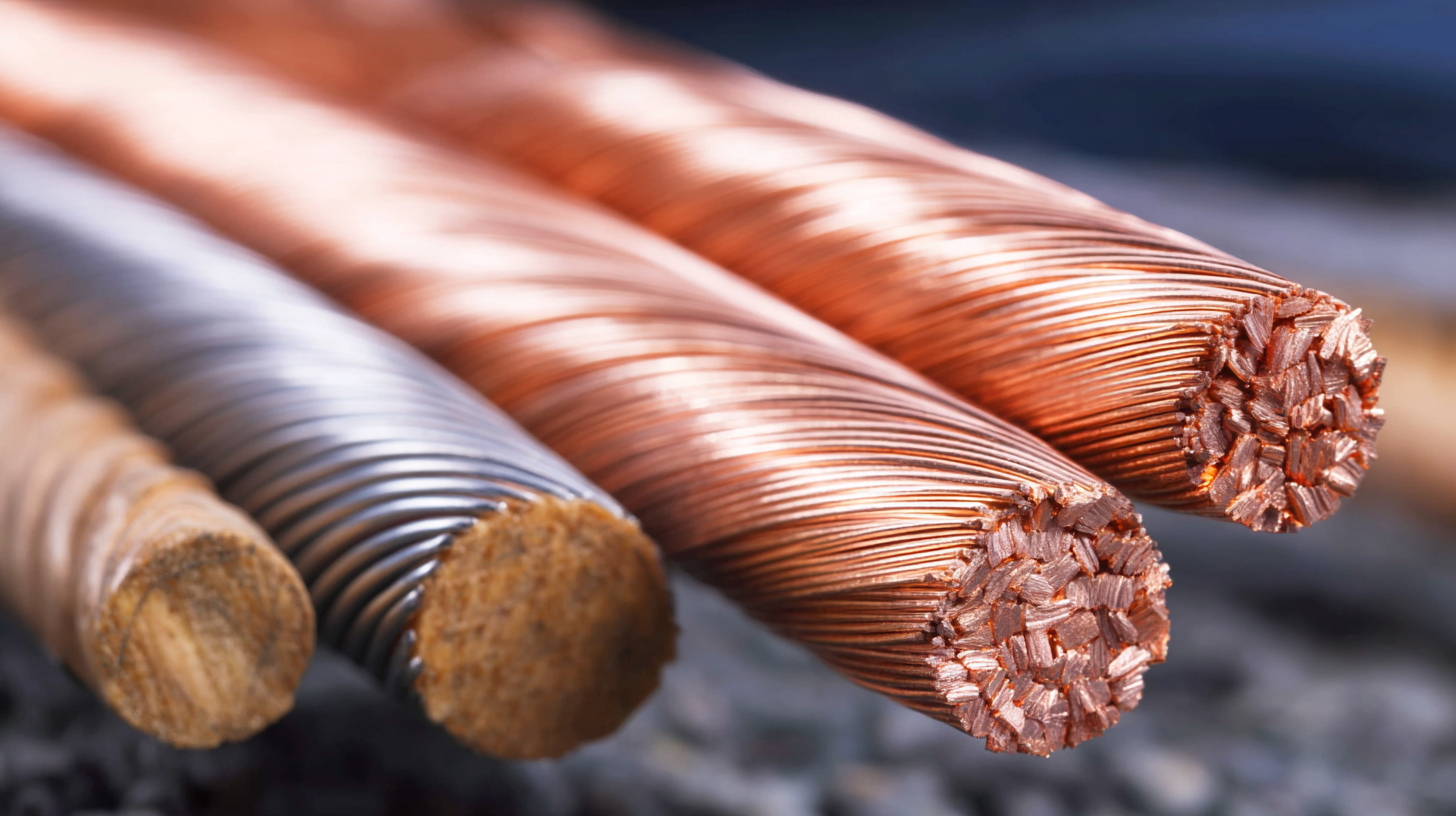
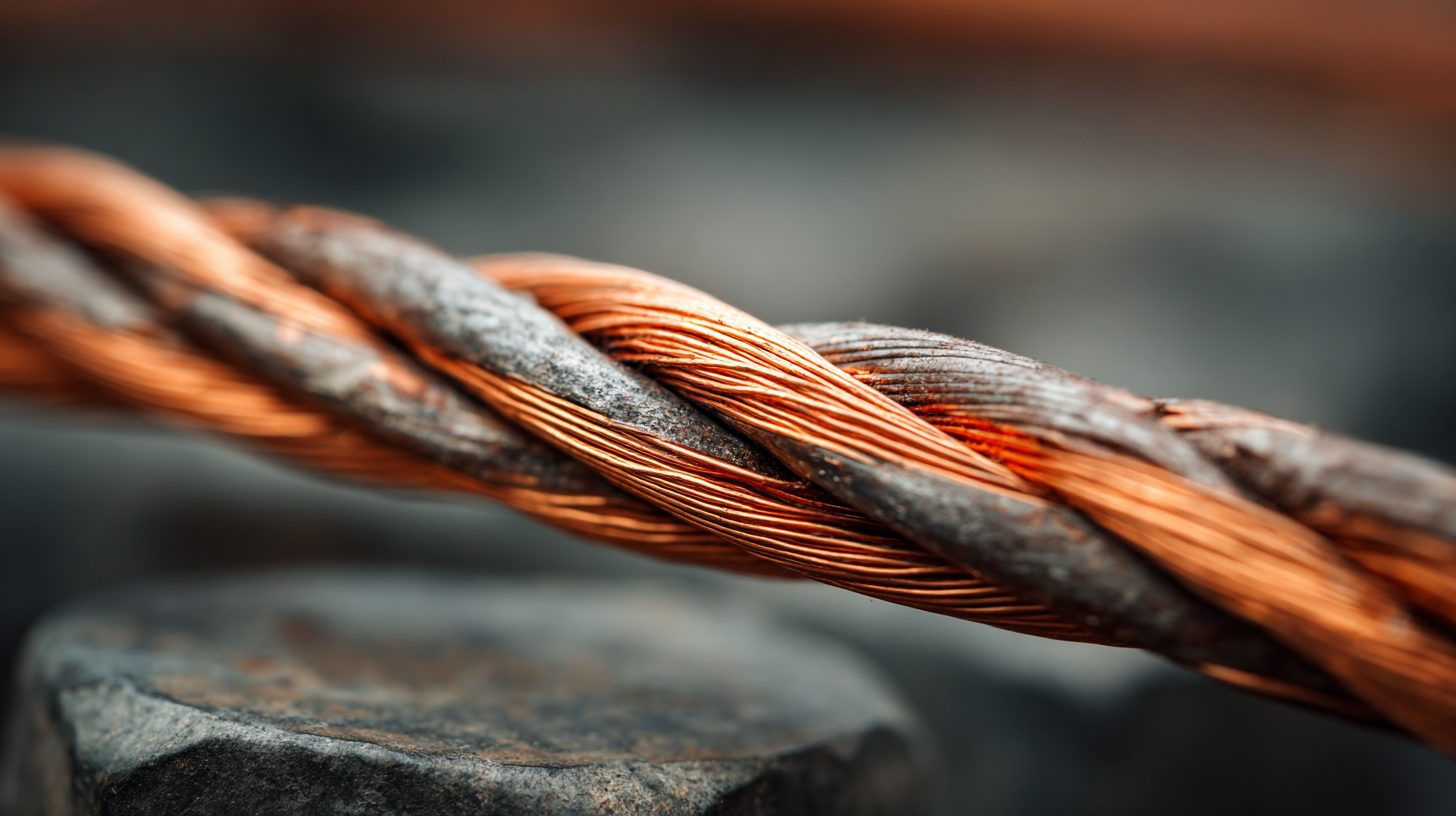
So, when you compare copper clad steel (or CCS) wires to the traditional ones, it’s clear they come with some pretty impressive advantages that could really influence how electrical systems evolve in different areas. One of the coolest things about CCS wires is their toughness—they’re way stronger mechanically because they blend copper’s excellent conductivity with steel’s tensile strength. Industry reports even say these wires are about 50% stronger in tension than plain copper wires. That extra durability means they don’t sag as much under load, which is a big deal for overhead power lines and long-term reliability.
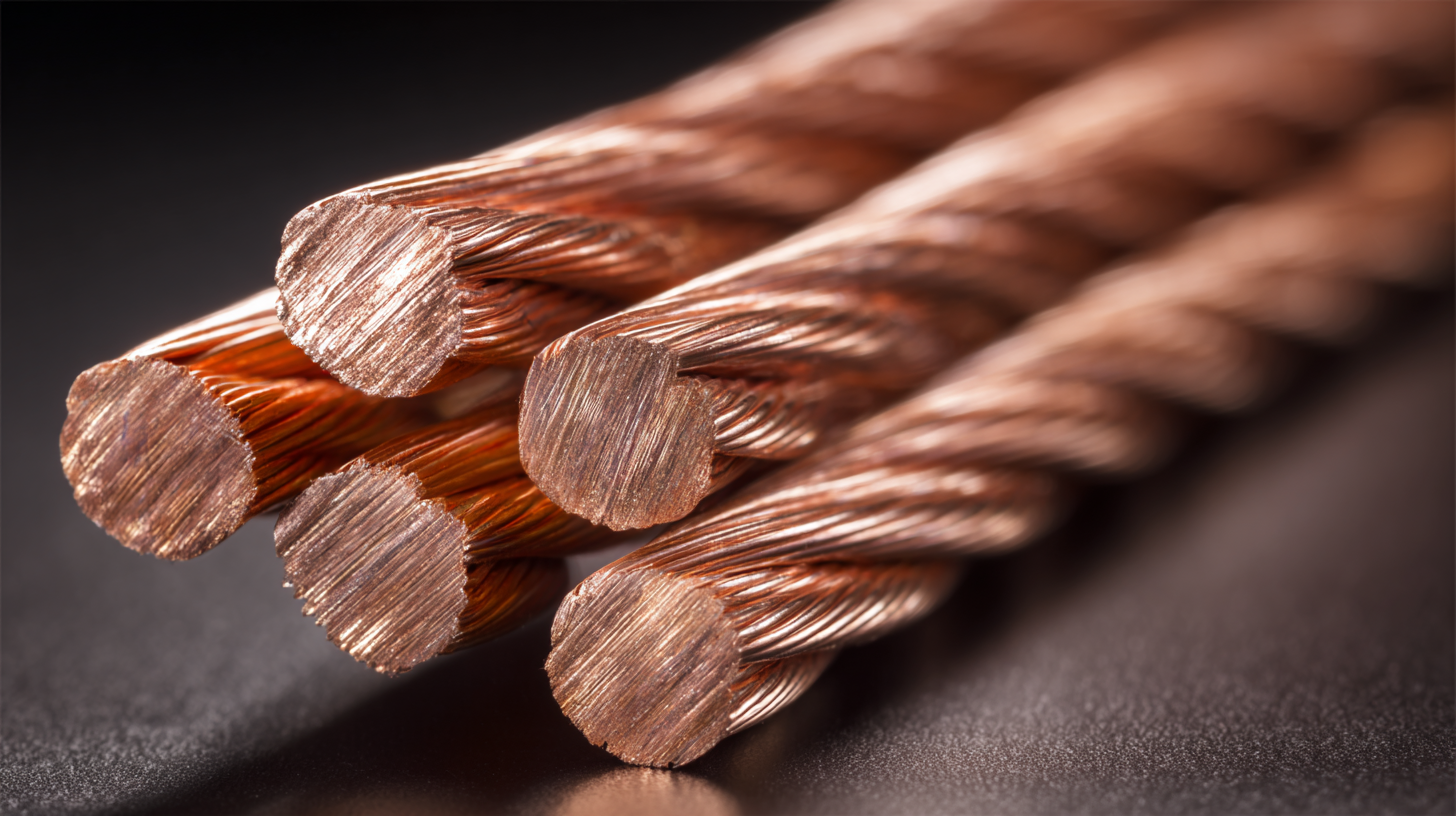
And get this — CCS wires also handle heat better than regular aluminum conductors like ACSR. Recent studies show they can stay stable at higher temperatures without losing performance. In fact, they can carry about 20% more current than standard ACSR wires. For utility companies, that’s a pretty sweet deal—better infrastructure, fewer outages, and lower maintenance costs. All in all, CCS wires are looking like a really promising option for modern electrical needs, don’t you think?
Understanding the Applications and Benefits of Copper Clad Steel Wires
As industries keep evolving, the need for innovative materials is more important than ever. Lately, copper clad steel wires (CCSW) have been gaining popularity as a go-to solution because of their special properties. Basically, they combine the strength of steel with the great electrical conductivity of copper, which makes them pretty versatile. You’ll find these wires mainly in communications, automotive, and power generation projects—places where their benefits really shine. The best part? They give you the conductivity you need but are lighter than pure copper, addressing some of the biggest challenges in modern engineering.
And it’s not just about conductivity. These wires are also pretty resistant to rust and corrosion, which means they last longer and stay reliable, especially in outdoor setups or tough environments like construction sites or telecom infrastructure. Plus, they’re kind of a budget-friendly alternative—costing less than pure copper while still delivering solid performance. Looking ahead to 2025 and beyond, I think we’ll see industries adopting CCSW more and more, pushing for even more innovative uses, and cementing their role as a key player in future tech advancements.
Essential Buying Guide for Copper Clad Steel Wires in 2025
As we get closer to 2025, it looks like the demand for Copper Clad Steel Wires—often called CCSW—is really going to pick up. A lot of that growth is being fueled by all the new developments in electrical engineering and construction happening right now. I came across a recent report from MarketsandMarkets, and it’s pretty eye-opening—expecting the global CCSW market to hit around $1 billion by 2025, growing at about 7.5% annually since 2020. This spike makes sense because CCSW offers both better conductivity and strength, so it’s becoming a go-to in areas like telecom, automotive, and power transmission.
If you're thinking about buying CCSW in 2025, there are a few key things to keep in mind—things like wire gauge, tensile strength, and how well it can stand up to different environmental conditions. A report from Research and Markets pointed out that wires with stronger tensile strength and corrosion resistance are expected to lead sales, especially in tougher environments. Oh, and don’t forget to check if the product meets international quality standards—trust me, that stuff really matters in making sure your wires last and perform reliably, which can also influence your costs and project timelines in the long run.
Sustainability and Environmental Impact of Copper Clad Steel Solutions
Looking ahead to the future of copper clad steel wires, it’s really important to talk about their eco-friendliness and how they impact the environment. You see, combining copper with steel not only boosts the performance of these wires but also provides a greener alternative to traditional metals. By using less pure copper, we can cut down on mining, which in turn helps reduce environmental damage — kind of a win-win, right? That’s why many industries are eyeing copper clad steel as a smarter, more sustainable choice.
When you're thinking about these solutions, it’s a good idea to look at the whole lifecycle — from how they’re made right through to what happens when they're disposed of. Check out brands that focus on sourcing their materials responsibly and prioritize energy-efficient manufacturing methods. Picking suppliers who stick to eco-friendly standards means you’re helping shrink that carbon footprint a bit.
**Here are a few tips:**
- Go for copper clad steel wires that are recyclable once you’re done with them.
- Do a bit of homework on the manufacturers’ certifications to make sure they’re meeting high environmental standards.
- Lastly, consider durability and corrosion resistance. The longer these wires last, the less waste you generate and the fewer replacements you'll need to deal with in the long run.
Future Trends in Copper Clad Steel Wires (2025)
This chart illustrates the anticipated market demand and sustainable production of copper clad steel wires from 2023 to 2025. As the push for more environmentally friendly materials increases, we can expect a significant rise in both demand and sustainable production practices in the coming years.
The Benefits and Applications of Aluminum Clad Steel Wire in Modern Construction and Engineering
Aluminum Clad Steel (ACS), often referred to as Alumoweld Wire or SC/AC conductor, has become an integral component in modern construction and engineering projects. Its unique combination of aluminum and steel offers significant benefits, primarily through enhanced strength and durability. The aluminum cladding not only provides excellent corrosion resistance but also maintains a lightweight structure, making it ideal for applications such as Guy Wire, Overhead Ground or Static Wire, and Messenger Wire. The versatility of ACS allows it to meet the rigorous demands of various construction environments while adhering to industry standards like ASTM B416, DIN 48201, and AS/NZS 1222.2.
One of the standout features of aluminum clad steel wire is its ability to resist environmental wear while providing the mechanical strength necessary for ensuring safety and structural integrity. When used in overhead applications, ACS effectively reduces the weight burden on supporting structures, thereby optimizing overall design efficiency. Moreover, its exceptional conductivity makes it a preferred choice for electrical transmission lines, where performance and reliability are crucial. As industries continue to innovate and evolve, the adoption of aluminum clad steel wire in new projects signifies a forward-thinking approach to enhancing both functionality and longevity in construction and engineering.
FAQS
: Copper clad steel wire technology combines the electrical conductivity of copper with the mechanical strength of steel, making it an attractive choice for industries that require durable and flexible wiring solutions.
Copper clad steel wires offer enhanced mechanical strength, with a tensile strength 50% higher than pure copper wires, and superior thermal performance, maintaining operational stability at elevated temperatures.
Many manufacturers are incorporating eco-friendly practices in the production of copper clad steel wires, reducing waste and improving recycling capabilities, which contributes to a more sustainable future.
CCS wires are predominantly used in telecommunications, automotive, power generation, and construction sectors due to their unique properties that balance strength and conductivity.
It is crucial to focus on quality specifications, gauge compatibility with existing systems, and ensure high purity copper cladding to optimize conductivity.
Copper clad steel wires typically cost less than pure copper while providing comparable performance levels, making them a cost-effective solution for various applications.
CCS wires can increase ampacity by 20% over standard aluminum conductors, reducing outages and maintenance costs for utility companies.
CCS wires offer enhanced resistance to corrosion and rust, making them particularly reliable for outdoor applications in harsh environments.
Innovations in CCS technology are expected to enhance various industries by delivering superior performance, reducing material costs, and promoting sustainability.
By 2025, advancements in CCS wires are projected to revolutionize electrical conductivity applications, driving further adoption and integration across various sectors.