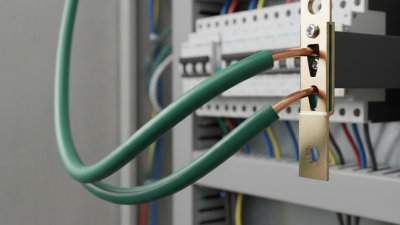
Grounding Wires are pretty important when it comes to keeping things safe in both homes and businesses. According to the National Electrical Code (or NEC), making sure everything's properly grounded can really help cut down the chances of electric shocks and even fires. In fact, about 30% of electrical fatalities are linked to wiring that’s not up to scratch — so, yeah, grounding really isn’t something to ignore.
Basically, a grounding wire gives electricity a safe way to go if there's a glitch or surge. It helps carry away extra current, so it doesn’t harm people or mess up valuable equipment. The International Electrotechnical Commission (IEC) points out that if systems aren’t grounded right, they become more vulnerable. That can lead to equipment breaking down or, worse, someone getting seriously hurt.
But here's the thing — not all buildings actually have good grounding in place. A survey by the Electrical Safety Foundation International (ESFI) found that over 70% of homes don’t have enough grounding set up properly. That’s a pretty big deal and clearly something we all need to pay more attention to. Whether you're a homeowner or a pro, spreading the word about this can really help improve safety overall.
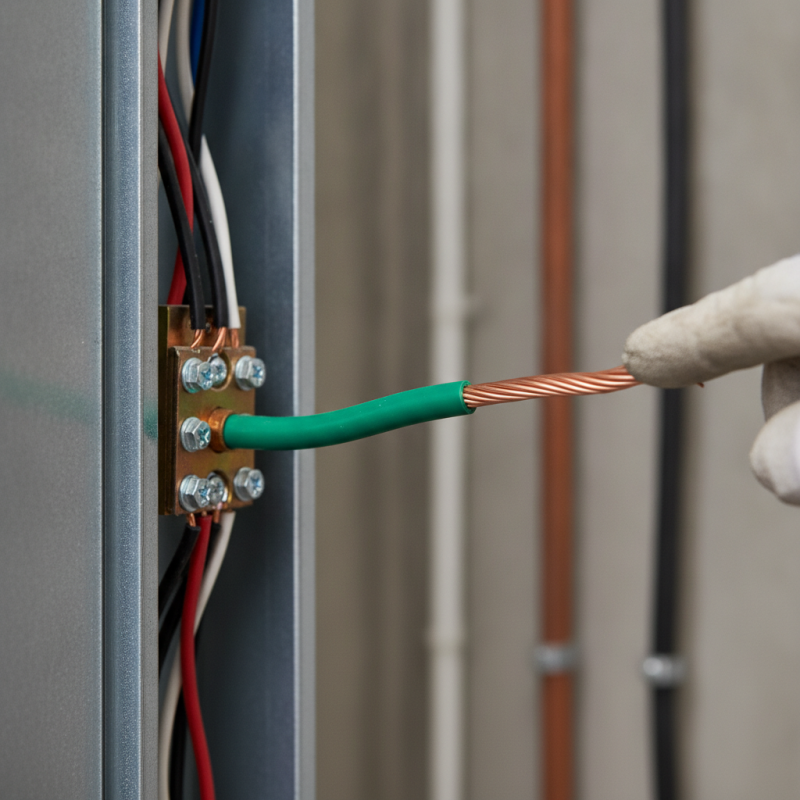
Grounding wire plays a crucial role in electrical systems. It's designed to carry excess electricity safely to the ground. In case of a fault, this wire helps prevent dangerous situations, protecting both people and equipment. A grounding system is a vital safety measure found in homes and industries.
The function of grounding wire is straightforward yet essential. When electrical circuits malfunction, Grounding Cable Wire provides a path to dissipate excess energy. Without it, electrical shocks and fires could occur. The wire is typically connected to the earth, ensuring the safety of appliances and reducing electromagnetic interference.
Understanding grounding wire is not just for electricians. Homeowners should also be aware of their importance. Insufficient grounding can have serious consequences. Regular checkscan ensure that the grounding Cable Wire is intact and functioning. This small component contributes significantly to the overall safety of electrical installations.
Grounding systems play a crucial role in electrical safety. These systems typically consist of grounding wires and rods designed to redirect excess electricity safely into the ground. The Grounding Cable is integral to this process. It mitigates the risk of electric shocks and equipment damage by providing a low-resistance path for fault currents.
Studies suggest that effective grounding systems can reduce electrical incidents by up to 80%. The National Fire Protection Association (NFPA) reports that improper grounding contributes to approximately 30% of electrical fires each year. Thus, having a well-structured grounding system, including quality grounding cables and robust rods, is essential.
Grounding rods typically penetrate the earth, ensuring a stable connection. Many experts recommend copper or galvanized steel rods, which provide higher conductivity. However, inconsistent installation practices and poor material choices can lead to failures. Regular inspections of these components are essential. Many facilities underestimate this need, thus increasing risks over time. By addressing these issues, the reliability and safety of grounding systems can be significantly improved.
| Component | Description | Importance |
|---|---|---|
| Grounding Wire | A conductive wire that connects electrical systems to the ground. | Prevents electrical shock and reduces the risk of fire. |
| Ground Rod | A long metal rod driven into the ground to disperse electrical charge. | Ensures effective grounding by creating a low-resistance path to earth. |
| Grounding Electrode System | A combination of grounding rods, plates, or other electrodes. | Enhances overall safety and effectiveness of grounding. |
| Bonding | Connecting different grounding conductors together. | Minimizes voltage differences and enhances safety. |
| Ground Fault Circuit Interrupter (GFCI) | A device that cuts off electric supply during a fault condition. | Protects against electric shock due to ground faults. |
Electrical accidents often stem from inadequate grounding practices. A recent study highlighted that nearly 30% of all electrical incidents result from improper grounding. This statistic is alarming and demonstrates the critical need for safety measures. Many people overlook grounding wires, assuming they are unnecessary. This mindset can lead to disastrous outcomes.
Grounding wires serve a vital purpose—they channel excess electrical currents safely into the ground. In the absence of effective grounding, appliances and systems are at risk. High-voltage surges can cause fires, equipment failures, or even electrocutions. It’s estimated that yearly, thousands face injuries due to grounding neglect. This issue affects not only professionals but also homeowners.
Many accidents could have been avoided with proper grounding. It’s essential to periodically check grounding connections. Regular inspections help ensure everything functions safely. Ignoring the signs can lead to severe consequences. Awareness and understanding of grounding's importance can save lives. Safety protocols must be followed diligently to prevent tragic failures.
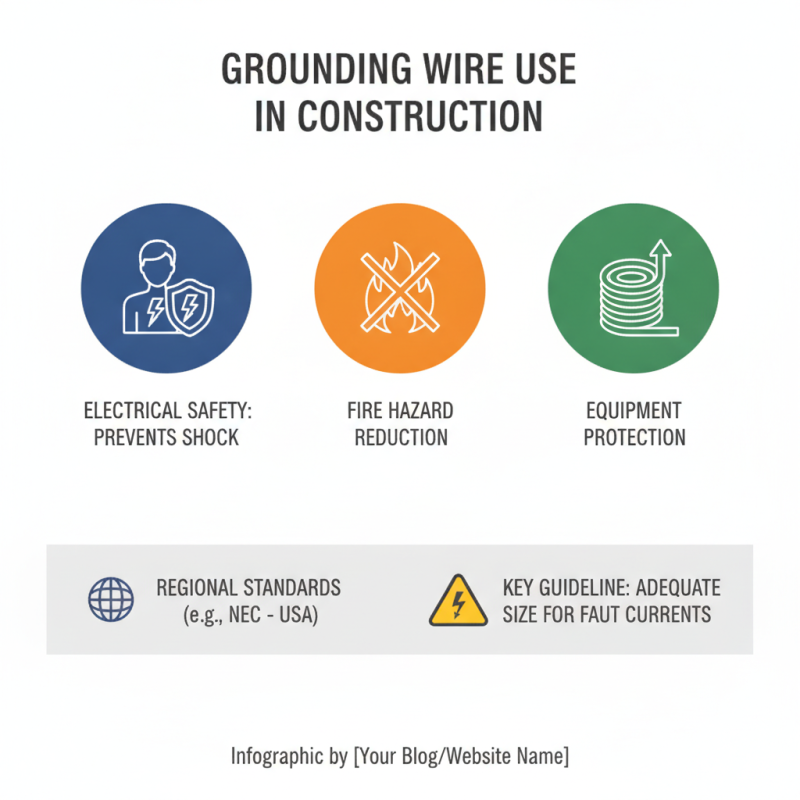
Grounding wires play a critical role in electrical safety. They help prevent electric shock and reduce fire hazards. Standards for grounding wire use in construction vary by region, but several key guidelines exist. The National Electrical Code (NEC) in the United States sets safety standards that ensure effective grounding. According to the NEC, grounding wire must have adequate size to carry fault currents. This minimizes the risk of equipment failure or electrical fires.
In practice, many construction projects fail to fully meet these guidelines. A report from the Institute of Electrical and Electronics Engineers noted that over 30% of compliance checks revealed grounding deficiencies. These deficiencies can create serious safety hazards. The report stresses that regular inspections and proper training for workers are essential. Compliance with grounding standards can save lives and property.
Tree Wire And Spacer Wire are common tools used alongside grounding wires. They provide support for overhead power systems. However, ensuring these materials are installed correctly is crucial. Misplacement can lead to increased risks during storms or high winds. Stakeholders must prioritize fact-checking and regular assessments. Safety practices must adapt to evolving standards to improve construction outcomes.
Grounding wires play a crucial role in electrical safety. They provide a path for excess electrical current to flow safely into the ground. This protects equipment and individuals from electric shocks. The importance of grounding cannot be overstated. Without proper grounding, a fault in the electrical system can lead to dangerous situations.
When it comes to materials for grounding wires, copper and aluminum are the most common. Copper has an excellent conductivity rating, making it highly efficient. It is also resistant to corrosion, enhancing its longevity. Aluminum, while less conductive than copper, is lighter and more cost-effective. Its use is common in overhead power lines. Both materials have specific applications in grounding systems.
Tips: Always inspect grounding wires regularly for signs of wear or damage. Replace any worn-out wires promptly to maintain safety. Consider hiring a professional for installation or maintenance to ensure compliance with electrical codes. Regular checks are essential in preventing accidents. Grounding wire selection should align with the specific needs of your electrical system. Each material serves its purpose, but ensuring proper choices is vital for reliability.
Grounding wire plays a crucial role in lightning protection systems. By providing a low-resistance path to the ground, it safely directs lightning strikes away from buildings. This minimizes damage to structures and reduces the risk of fire. According to the National Fire Protection Association (NFPA), lightning strikes cause an estimated $1 billion in property damage each year in the United States alone.
Proper installation of grounding wires is essential. A study by the Institute of Electrical and Electronics Engineers (IEEE) reported that well-implemented grounding systems can reduce the likelihood of equipment failure and electrical hazards. For optimal performance, grounding wires should be made of copper or aluminum and connected to a suitable ground rod. Many fail to regularly inspect these systems, which can lead to failures during a lightning event.
Tip: Regularly inspect grounding systems to ensure they meet safety standards. Check for corrosion and loose connections.
In addition to lightning, grounding wire also protects from electrical surges caused by nearby strikes. The International Electrotechnical Commission (IEC) recommends using surge protective devices alongside grounding systems. Neglecting these measures can leave homes and businesses vulnerable to damages from unexpected surges.
Tip: Consider surge protectors as part of your electrical safety plan. They add an extra layer of security against electrical disruptions.
When it comes to grounding wires, proper installation and maintenance are crucial for safety in homes. In fact, the National Fire Protection Association (NFPA) reports that faulty wiring causes about 13% of home fires. Grounding wires provide a direct path for excess electricity, reducing the risk of electric shock and fire hazards. However, many homeowners overlook this essential safety measure.
Installation requires attention to detail. Grounding wires should be connected to a ground rod, usually made of copper, buried in moist soil for optimal conductivity. This ensures that any stray current is safely dissipated into the ground. In addition, it's important to use the appropriate gauge of wire, often referred to as Photovoltaic Wire in solar applications. This wire type is durable and rated for outdoor use, making it ideal for electrical systems exposed to the elements.
Maintenance is equally vital. Regular inspection of grounding connections helps identify corrosion or damage. A 2019 electrical safety report indicated that 25% of grounding systems in older homes fail to meet current standards. Homeowners should take time to check these connections, especially during seasonal changes. Neglecting this could lead to serious safety risks, including the failure of large appliances during electrical surges. Making grounding a priority can prevent unexpected hazards and enhance the overall safety of your home.
: Grounding systems ensure electrical safety by redirecting excess electricity safely into the ground.
Grounding wires provide a low-resistance path for fault currents, reducing the risk of electric shocks and fires.
Regular inspections help identify issues with grounding components, preventing failures that could lead to safety hazards.
Experts often recommend using copper or galvanized steel rods for their higher conductivity and reliability.
The National Electrical Code (NEC) sets safety standards that ensure grounding wires can effectively carry fault currents.
Reports indicate over 30% of compliance checks show deficiencies in grounding systems at construction sites.
Improper grounding can contribute to electrical fires and increase risks during storms or high winds.
Tree wire and spacer wire support overhead power systems and must be correctly installed to enhance safety.
Compliance can save lives and property by reducing risks associated with electrical failures and hazards.
Many facilities underestimate the importance, which can lead to increased risks over time and reduced safety reliability.
Grounding wire is a crucial component in electrical systems that serves to enhance safety by providing a path for electrical currents to dissipate into the earth. Its primary function is to protect both people and equipment from electrical faults, reducing the risk of electrical shocks and fires. Understanding the key components of grounding systems, which include grounding wires and rods, is essential for proper installation and maintenance.
Statistics indicate that many electrical accidents arise from poor grounding practices, underscoring the importance of adhering to standards and regulations governing grounding wire use in construction. Various types of grounding wires, made from different materials with specific conductivity ratings, are employed depending on the application. Additionally, grounding wires play a vital role in lightning protection systems, ensuring that structures are safeguarded against lightning strikes. Adopting best practices in the installation and maintenance of grounding wires in homes is essential for enhancing overall electrical safety.