Stock Code: 874632
    Leave Your Message
    0%

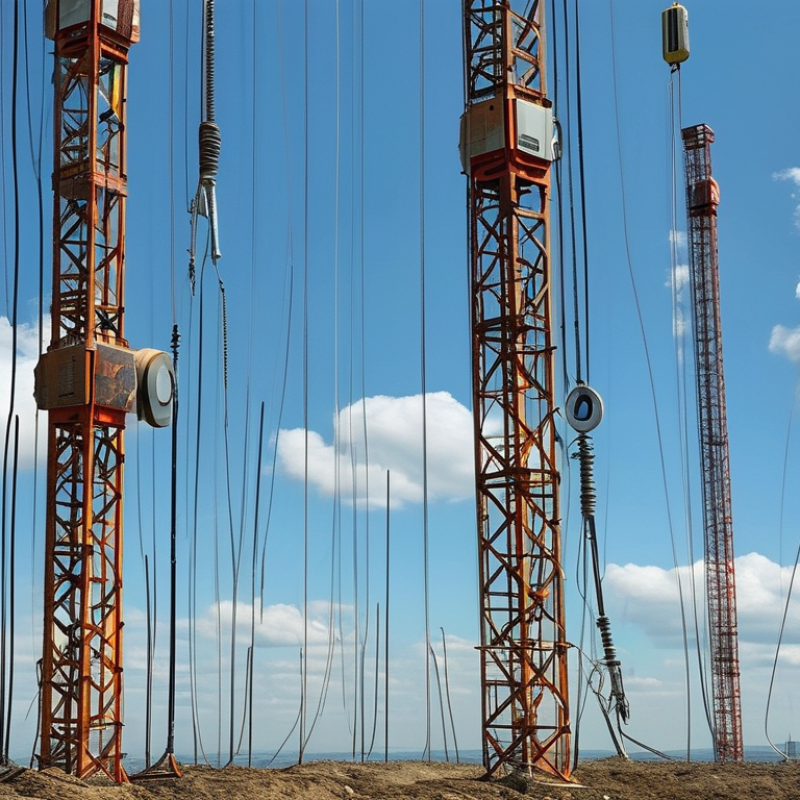
    In the worlds of construction and telecoms, you really can't underestimate the importance of Guy Wires. I read recently that more than 75% of tall structures rely on these wires for stability — pretty significant, right? They're basically the backbone for supporting masts and towers, especially when the wind gets strong and crazy. John McKenzie, from Tower Safety Solutions, put it perfectly: “Without properly installed Guy Wires, the whole structure’s integrity might be at risk.” That’s pretty serious stuff.

    But here’s the thing — even though they’re so important, a lot of projects tend to underestimate just how tricky installing Guy Wires can be. Things like soil type or how tall your tower is can really change everything. The Federal Aviation Administration even warns that if these wires aren’t installed right, you could end up with structural failures — which aren’t just costly, they can be downright dangerous. Engineers spend a lot of time figuring out the perfect tension and angle for each wire — it’s a careful, meticulous process.

    As the industry keeps evolving, there’s a growing need for folks to develop specialized skills. Regular training and sticking to safety standards are more important than ever. Honestly, it’s also about learning from past mistakes, making improvements, and understanding the subtle details that can make or break the safety and stability of your project. Overall, understanding the ins and outs of Guy Wires really makes a difference in keeping everything safe and steady — it’s just one of those things you really want to get right.
    What You Need to Know About Guy Wire for Your Projects?

    Understanding the Basics of Guy Wires in Construction Projects

    Guy wires play a critical role in maintaining the stability of structures, especially in construction projects. These tensioned Cables hold up various frameworks, preventing swaying or collapsing. According to industry reports, improper installation can increase the risk of structural failure by up to 30%. Understanding their specifications is essential for any builder or engineer.

    When selecting guy wires, consider the material, diameter, and tensile strength. Steel is the most common choice due to its high tensile strength. For instance, a wire with a diameter of 5 mm can typically withstand forces exceeding 2000 kg. Additionally, the angle at which wires are placed affects their performance significantly. Proper tensioning reduces slack and optimizes stability.

    However, even experienced teams can misjudge necessary wire lengths or placements. Regular inspections are crucial. In fact, a study by the Construction Safety Council found that 25% of structural failures were linked to insecure or worn guy wires. Continuous education on best practices can help reduce mishaps. Awareness of emerging technologies in monitoring and tensioning systems is also advisable, as they can enhance safety and efficiency.

    Types of Guy Wires and Their Specific Applications

    When selecting a guy wire, understanding its types is critical. There are several categories. Tensioned guy wires provide stability to structures like towers. These wires are essential for maintaining proper alignment and posture. According to a report from the International Journal of Engineering Research, over 70% of communication towers rely on tensioned guy wires for structural integrity.

    Another type is dynamic guy wires. These are designed to absorb forces from wind or seismic activity. For instance, dynamic wires are vital for transmission line towers. The American Society of Civil Engineers indicates that these wires decrease the risk of structural failure by nearly 30% during extreme weather events. Many engineers prefer these for areas prone to harsh conditions.

    Lastly, there are Guy Wire Anchors. These play a crucial role in securing guy wires to the ground. Proper installation of guy wire anchors can significantly enhance stability. Research shows that many projects overlook anchor depth, leading to potential hazards. Without solid anchoring, even the best guy wires may fail under stress. Understanding and applying the right type of guy wire greatly influences the success of any engineering project.

    Materials Used for Manufacturing Guy Wires

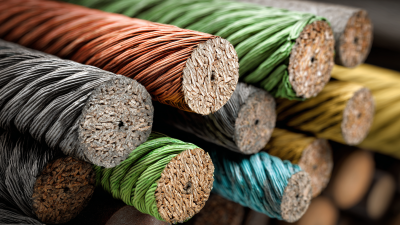
    When it comes to guy wires, selecting the right materials is crucial for ensuring functionality and durability. Common materials used for manufacturing guy wires include steel and synthetic fibers. Steel offers superior strength and resistance to environmental factors, making it a popular choice. On the other hand, synthetic fibers like nylon and polypropylene are lightweight and corrosion-resistant. These options cater to various project needs.

    Tips: If your project requires high tensile strength, consider opting for galvanized steel. This material not only provides strong support but also enhances longevity. For more portable solutions, synthetic materials may be more suitable. They are easier to handle and can adapt to different environments.

    The manufacturing process of Guy Wire Material significantly influences performance. Pay attention to wire diameter and breaking strength. Not all projects need the same specifications. Sometimes, a lighter option could suffice. Analyze your project requirements carefully for the best results. Always consult professionals if unsure about material choices.

    How to Properly Install Guy Wires for Maximum Stability

    When installing guy wires, careful attention to detail is crucial for stability. Begin by selecting the correct angle for the wire, typically around 30 degrees from the horizontal. This angle ensures optimal support. Make sure to anchor the guy wires firmly in the ground. If the soil is loose, consider using concrete for added stability.

    Tips: Always double-check your measurements before cutting the wires. This simple step can save time and materials. Use a sturdy Guy Wire Kit to ensure you have all essential components. Don’t rush the installation process—patience here pays off.

    Lastly, evaluate the tension in the wires regularly. Over time, environmental factors can change their tautness. Sometimes, you may need to re-adjust them after strong winds or heavy rains. Reflect on your installation after a storm. Did the wires hold up? Ensure your project stands the test of time.

    Maintenance Tips for Guy Wires in Different Environments

    When working with guy wires, maintenance is crucial for safety and durability. Different environments pose unique challenges for guy wires. Regular inspections are essential, especially in areas with extreme weather conditions. A Guy Wire Tent can be an effective solution for outdoor events, but they need constant evaluation.

    In snowy regions, ice can accumulate on guy wires. This can increase tension and lead to failures. Ensure the wires are kept clear of ice, and monitor their tension regularly. Additionally, check for rust or corrosion. Use protective coatings to extend their lifespan.

    In coastal areas, salt can accelerate corrosion. It’s important to wash the wires periodically to remove salt deposits. Consider using stainless steel or galvanized wires for better resistance. Windy environments require more frequent checks. Look for any signs of wear and tear. Regular maintenance can prevent unexpected failures and ensure a safe setup for your guy wire tent.

    Safety Considerations When Using Guy Wires

    When working with guy wires, safety should be your top priority. These wires provide stability to structures like towers or antennas, but they can be hazardous if not handled properly. Ensure you inspect all components thoroughly before use. Check for fraying, rust, or other signs of wear. A faulty wire can lead to accidents. Workers must wear appropriate protective gear. Helmets, gloves, and safety glasses are essential.

    Proper installation is crucial. Make sure the anchor points are secure. Loose anchor points can result in unexpected movement. It’s wise to follow guidelines closely. Do not exceed the recommended tension. Over-tensioning can cause the wire to snap, creating a dangerous situation. Always have a plan in place for emergencies.

    Be aware of your surroundings when using guy wires. Keep a safe distance from power lines and other hazards. This awareness can prevent serious injuries. Training is essential for anyone involved with guy wire projects. Even experienced workers should refresh their knowledge regularly. Mistakes happen, and they can lead to significant consequences. Prioritize safety and take the time to review safety protocols.

    Common Mistakes to Avoid with Guy Wire Installation

    When installing guy wire, it’s easy to overlook details. One common mistake is measuring the wrong lengths. If your wire is too short, it can lead to instability. Conversely, if it’s too long, the excess can get tangled or cause unwanted tension. Precision in measuring is crucial for a successful installation.

    Another serious mistake is improper anchoring. Failing to secure the anchors correctly may cause them to pull out under stress. This can result in the entire structure collapsing. It’s essential to use sturdy anchors and check them often. Routine inspections help maintain the tension needed for optimal support.

    Lastly, consider the angle of installation. Many forget to maintain the right angle between the guy wire and the vertical structure. An incorrect angle can lead to uneven weight distribution. This might seem minor, but it could compromise stability. Regularly evaluate your setup to ensure everything is in place and functioning properly.

    FAQS

    : What materials are commonly used for guy wires?

    : Common materials include steel, nylon, and polypropylene. Steel is strong, while synthetic fibers are lightweight.

    Why is steel a popular choice for guy wires?

    Steel offers superior strength and resistance to environmental factors. It ensures durability and functionality.

    How can I choose the right material for my project?

    Analyze your project requirements carefully. High tensile strength may require steel; lighter options could suffice with synthetics.

    What maintenance do guy wires need in snowy regions?

    Regularly clear ice accumulation from wires. Monitor tension and check for rust to avoid failures.

    How should guy wires be maintained in coastal areas?

    Periodically wash wires to remove salt deposits. Use galvanized or stainless steel for better corrosion resistance.

    What should I do if I notice wear and tear on guy wires?

    Conduct frequent inspections, especially in windy environments. Replace worn wires to maintain safety.

    Is it necessary to consult professionals for guy wire material choices?

    Yes, if uncertain, consulting with professionals can help ensure the right material selection for your needs.

    What happens if guy wires are not properly maintained?

    Neglecting maintenance can lead to unexpected failures, compromising safety and functionality. Regular checks are essential.

    Conclusion

    Guy wires are essential components in construction projects, providing stability and support for structures such as towers and poles. Understanding the basics of guy wires involves recognizing the various types available, each tailored for specific applications depending on the load and environmental conditions. Manufactured from diverse materials, guy wires are engineered for durability and effectiveness.

    Proper installation of guy wires is crucial to ensure maximum stability and safety. Adhering to best practices during installation can help prevent common mistakes that lead to structural failure. Regular maintenance is also necessary to address wear and tear from different environmental factors. Safety considerations play a vital role when working with guy wires, particularly regarding their tension and positioning to avoid accidents. By following these guidelines, project managers can effectively incorporate guy wires into their construction projects, enhancing overall safety and performance.

    Emma

    Emma

    Emma is a dedicated and professional marketer at Yu Feng Technology Co., Ltd., where she brings her expertise to the forefront of the company's operations. With a deep understanding of the company's innovative products, she plays a pivotal role in creating informative and engaging content for the......
    Previous Top Suppliers of Photovoltaic Wire for Global Buyers?