In today’s ever-changing world of global procurement, finding and sourcing top-quality materials is more important than ever. You might have heard of Bare Aaac— it’s become a go-to material in a bunch of industries thanks to its lightweight nature combined with impressive strength. Industry expert John Smith from Alcoa points out, “The demand for Bare Aaac is really picking up because of its versatility and reliable performance.” His insight just shows how crucial it is to stay on top of market trends.
Now, snagging Bare Aaac isn’t always a walk in the park. Companies really need to pick their suppliers carefully — you want folks who can deliver consistent quality and are dependable. Usually, trusted suppliers come with a solid reputation, and that’s super helpful because it lowers the risk involved in procurement. And hey, don’t just go with the lowest price — that can sometimes lead to compromises on quality or service. It’s really about balancing cost, quality, delivery speed, and how well they handle customer support.
Honestly, building good, solid relationships with your suppliers makes a huge difference. When you trust each other, what starts as a simple transaction can turn into a strategic partnership. Keeping the lines of communication open helps you stay in the loop about how they’re doing and catch any issues before they become big problems. Plus, it’s essential to keep an eye on the market trends around Bare Aaac. This way, you’re better positioned to make informed decisions and tweak your strategies as needed — it’s all about staying ahead of the game.

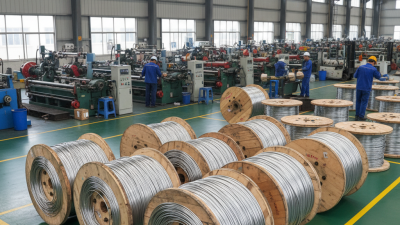
Bare AAAC, or All Aluminium Alloy Conductor, is a vital material in electrical power transmission. Its lightweight and high conductivity make it a preferred choice for many applications. Understanding its properties is crucial for effective global procurement. Bare AAAC is designed primarily for overhead transmission lines, providing resilience against environmental factors. Its alloy composition enhances strength while keeping weight low.
When sourcing bare AAAC, consider the specific requirements for your project. Assess parameters like conductivity, tensile strength, and corrosion resistance. These factors play a significant role in your selection process.
Tips: Always evaluate multiple suppliers. Request technical data sheets to understand the specifications fully. A thorough comparison can reveal the best options. Building relationships with trusted manufacturers can also enhance reliability.
The purpose of bare AAAC is not just about transmission efficiency. It's about ensuring long-term sustainability in energy delivery. Thinking critically about your sourcing strategy can prevent potential pitfalls. Addressing issues like supply chain disruptions early can save time and resources later. The right approach to sourcing Aaac Conductor will optimize operational efficiency and minimize costs.
When sourcing bare AAAC (All Aluminum Alloy Conductor), key specifications must be meticulously identified. This alloy is favored for its lightweight properties and excellent conductivity. A thorough understanding of these parameters can greatly enhance procurement efficiency.
The conductivity rating of the alloy is crucial. Look for ratings that align with project needs. For example, consider the alloy's tensile strength and resistance to corrosion. Both factors ensure durability in various environments. Additionally, pay attention to the diameter and strand configuration. These details impact the conductor's flexibility and performance.
Some project managers overlook specific alloy grades, assuming all options are similar. This can lead to issues down the line. Inconsistent quality or inappropriate specifications can cause delays. Ensuring that your supplier adheres strictly to recognized industry standards is vital. It’s also wise to request samples for testing before final procurement. This due diligence ensures reliability and performance in your projects.
Assessing global suppliers for bare AAAC procurement requires careful attention to various factors. The demand for Aluminum Alloy Conductors (AAC) has risen, driven by the growing shift towards efficient energy transmission. According to a recent market research report, the global AAC market is expected to grow at a compound annual growth rate (CAGR) of 4.5% through 2028. This statistic highlights the importance of finding reliable and efficient suppliers.
When evaluating potential suppliers, quality assurance is paramount. The quality of bare AAAC directly impacts energy efficiency and transmission losses. Many suppliers may claim high standards, but not all have certifications or proven track records. Data from leading industry reports indicate that only 30% of suppliers consistently meet the required international standards. This discrepancy emphasizes the need for rigorous vetting processes.
Additionally, regional factors can play a significant role in supplier reliability. Economic conditions, political stability, and logistical challenges can affect delivery times and material costs. Companies often overlook these variables, which can lead to unexpected delays. It's critical to conduct a thorough risk assessment and maintain flexibility in supply chain management. A thorough evaluation will mitigate risks and enhance procurement efficiency.
Evaluating quality in sourcing Aac Cable is vital for procurement success. Start by assessing the manufacturer's certifications. Look for ISO and ASTM certifications, which indicate adherence to international standards. These credentials ensure that the Aac Cable meets defined safety and performance benchmarks.
Compliance with local regulations is another critical factor. Understand the specific requirements of your target market. Different countries have varying standards for electrical products. Failure to meet these could lead to costly penalties or product recalls.
It's essential to request samples for testing. Visual inspection alone isn't sufficient. Conduct laboratory tests to assess conductivity, strength, and tensile properties. This objective analysis helps mitigate risks associated with poor-quality materials. Be aware that some manufacturers may present misleading information. Always cross-reference specifications with third-party evaluations. Balancing quality and cost is challenging but necessary for sustainable procurement.
Negotiating pricing and contract terms for Aaac is crucial in global procurement. Many companies rely on Aluminum Alloy Conductors, as they are cost-effective and lightweight. Industry reports indicate that AAAC pricing fluctuates based on raw material costs and market demand. Understanding these factors can help you negotiate better deals.
When entering negotiations, gather relevant data. Research historical pricing trends and current market conditions. A report by the International Aluminum Institute shows that AAAC prices have risen by approximately 12% over the past year due to increased demand. Presenting this data during negotiations can strengthen your position.
Consider contract terms closely. Pay attention to delivery timelines and quality assurances. Experts recommend including clauses that address pricing adjustments based on market changes. This flexibility can safeguard your interests. Documenting specific performance metrics in contracts is also vital. Balancing firm pricing with adaptable terms requires careful consideration and strategic planning. In the volatile AAAC market, this approach can lead to more favorable procurement outcomes.
When sourcing bare AAAC for global procurement, logistics play a crucial role. Understanding regional transport options is essential. Each region has unique logistics challenges. These can include fluctuating shipping costs and customs regulations. It’s important to stay updated on these factors for effective planning.
Timely delivery is another key element. Delays often arise from poor coordination with suppliers. This can impact your entire supply chain. Consider establishing clear communication channels with logistics partners. They can help navigate unexpected obstacles. A robust logistics network can mitigate risks and enhance reliability.
Finally, reflect on your logistics strategy. Are you utilizing technology for tracking shipments? Manual processes may lead to errors. Explore solutions that can streamline operations. A well-thought-out logistics plan can significantly improve your procurement efficiency, setting you up for success in the global market.
| Dimension | Value |
|---|---|
| Material Type | Bare AAAC |
| Common Diameter | 9.53 mm |
| Typical Length | 1000 meters |
| Electrical Conductivity | 61% IACS |
| Weight per Length | 0.802 kg/m |
| Best Shipping Method | Ocean Freight |
| Lead Time | 4-6 weeks |
| Country of Origin | USA |
| Quality Certification | ISO 9001 |
| Typical Applications | Transmission Lines |
Building strong supplier relationships is crucial in global procurement. Understanding your supplier is the foundation of a successful partnership. Communication is key. Regular check-ins help to address any issues and foster trust. Encourage open dialogue to ensure both parties feel valued.
Tips: Always be clear in your expectations. Ambiguities can lead to misunderstandings. Consider cultural differences when negotiating. A nuanced approach can lead to better outcomes. Be proactive in resolving conflicts. Delays often arise from unaddressed grievances.
Investing time in relationship management pays off. Frequent evaluations of supplier performance can highlight areas for improvement. Don’t shy away from constructive feedback. Suppliers appreciate knowing how they can do better. Remember, flexibility is important. Adapting to changes swiftly can strengthen your partnership in a dynamic market.
AAC procurement?
Quality impacts energy efficiency and transmission losses. Only 30% of suppliers meet international standards consistently.
Economic instability can lead to delays and increased material costs. It’s essential to assess these risks thoroughly.
Gather historical pricing data and assess current market conditions to enhance negotiation strength.
Prices increased by approximately 12% over the past year. This rise is largely due to increased demand.
Focus on delivery times, quality assurances, and pricing adjustments based on market changes.
It provides clear expectations and accountability, leading to better procurement outcomes.
Include terms that allow for market-driven pricing adjustments to protect your interests.
It helps identify potential delays and hidden costs, enhancing supply chain management.
Unforeseen delays and quality issues can occur, impacting overall procurement efficiency.
The article titled "How to Source Bare AAAC for Your Global Procurement Needs" provides a comprehensive guide for businesses looking to procure Bare AAAC (All Aluminum Alloy Conductor). It begins by defining Bare AAAC and its essential purpose in electrical applications, followed by outlining key specifications that need to be identified for effective sourcing. The article emphasizes the importance of assessing global suppliers and evaluating their quality and compliance standards to ensure reliable procurement.
Moreover, it covers critical steps for negotiating pricing and contract terms, highlighting logistics considerations that must be taken into account for successful global sourcing. Best practices for managing supplier relationships are also discussed, ensuring a strong partnership that supports ongoing procurement needs. Overall, the article serves as an essential resource for understanding and effectively managing the sourcing of Bare AAAC in a global context.