Picking out the right Mv Cable is a pretty big deal for any electrical project, you know? Industry veteran John Smith from PowerTech Solutions puts it simply: "Choosing the right MV cable can really make or break your setup." That really highlights just how important it is to make informed decisions.
MV cables are super important when it comes to medium voltage stuff—think connecting power sources to different systems. But here’s the thing: there are so many types and specs out there, it can get pretty overwhelming to choose the right one. The key is to really understand what your project needs—then you can find the perfect fit.
A lot of engineers miss small but crucial details, like insulation quality or temperature ratings. Ignoring these things can lead to problems down the line—failures, costly repairs, you name it. So, taking the time to review all specs carefully is a must. Every project’s got its own little quirks, and because of that, you really need to tailor your approach. Whether it’s for industrial use or automotive applications, precision counts. The kind of MV cable you pick doesn’t just impact performance—it’s also a safety thing. Messing this up can be expensive and slow down your progress, so don’t skimp on the details.

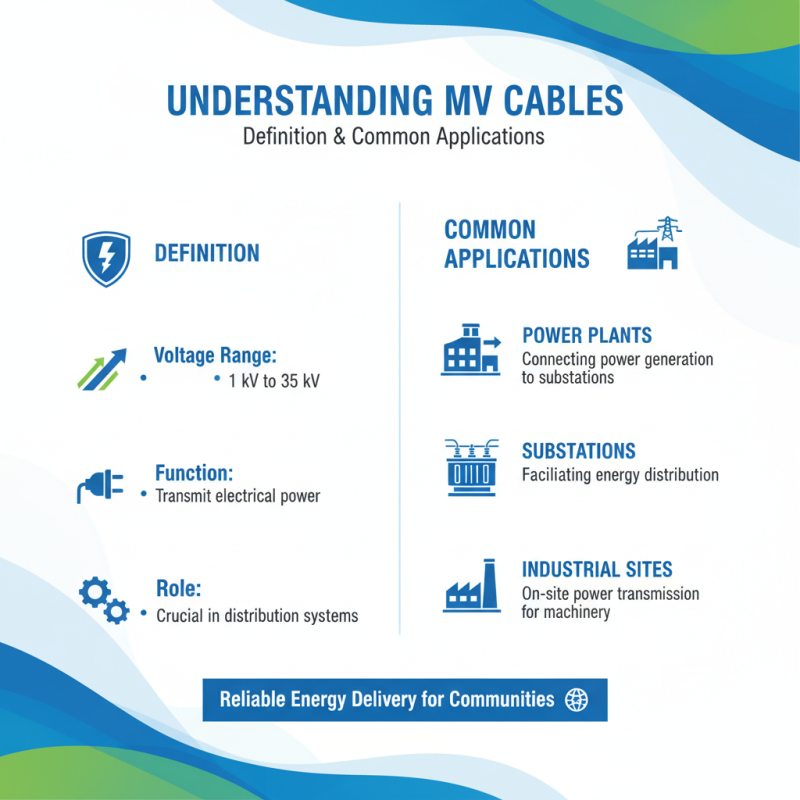
Understanding MV Cables: Definition and Common Applications
Medium Voltage (MV) cables play a crucial role in electrical distribution systems. These cables are designed to carry voltages ranging from 1 kV to 35 kV. They are ideal for connecting power plants to substations and for transmission within industrial sites. This application highlights their significance in ensuring reliable energy delivery for communities.
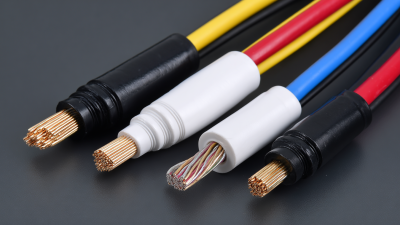
When selecting an Mv Cable, understanding its construction and materials is key. MV cables often consist of conductive materials like copper or aluminum. Insulation types vary, impacting durability and performance. In some instances, the choice of insulation may lead to increased vulnerability to environmental factors. It's vital to assess the specifics of each project, as not every MV cable can withstand harsh conditions.
Keep in mind that proper installation techniques influence the cable's lifespan. Poor workmanship can lead to premature failures. Flaws in connections may cause significant outages, leading to financial losses. So, invest time in training personnel to handle MV cables. Regular maintenance checks are essential. They can prevent unexpected breakdowns. By understanding these aspects, you prepare better for challenges.
Key Factors to Consider When Selecting MV Cables
Selecting the right medium voltage (MV) cable for your projects is crucial. Several key factors should guide your decision-making process. First, understand the cable's insulation type. This affects performance in different environments. Polyethylene and cross-linked polyethylene are popular, each offering unique advantages.
Consider the voltage rating of the cable. It must match or exceed your project's requirements to ensure safety and efficiency. Additionally, examine the cable's conductor material. Copper offers high conductivity but is more expensive. Aluminum is lighter and often used for long-distance applications.
Tips: Always review the installation environment. Will the cable be exposed to physical stress or moisture? Checking temperature ratings is also essential. Misjudging these can lead to failures down the line. Lastly, consult with industry professionals if uncertain. They can provide insights that may seem minor but are vital for overall project success.
Types of MV Cables and Their Specific Uses
When selecting medium voltage (MV) cables, understanding the various types and their specific uses is essential. For instance, Pvc Insulated Cables are widely used for indoor applications. They are cost-effective and provide adequate protection in dry environments. However, they may not be the best choice in high-temperature settings. On the other hand, cross-linked polyethylene (XLPE) cables are suitable for outdoor and underground installations. They offer better thermal resistance, making them ideal for demanding conditions.
Another important category is the Fire Resistant Cable. These cables are designed to maintain circuit integrity during a fire. They play a crucial role in safety systems, ensuring that emergency systems remain operational. Selecting the right fire resistant cable can be complex. Industry standards vary, and not all cables are created equal. Ensure that the cable meets the necessary certifications for your specific application.
Consider the environment where the cable will be installed. Will it be exposed to moisture, chemicals, or physical stress? This aspect often gets overlooked, leading to premature failures. Evaluating installation conditions early in the decision-making process can help avoid costly mistakes later on. Remember, the right choice encompasses more than just technical specifications. It requires a thoughtful assessment of your project's unique needs.
Essential Tips for Choosing the Right MV Cable for Your Projects
| Type of MV Cable | Voltage Rating (kV) | Typical Applications | Conductor Material | Insulation Type |
| XLPE Cables | 1 - 36 | Power distribution, Industrial applications | Copper or Aluminum | Cross-linked Polyethylene |
| PVC Cables | 1 - 15 | Commercial buildings, Pump stations | Copper or Aluminum | Polyvinyl Chloride |
| EPR Cables | 5 - 35 | Substations, High-voltage installations | Copper | Ethylene Propylene Rubber |
| LSZH Cables | 1 - 15 | Public transport, Tunnels | Copper or Aluminum | Low Smoke Zero Halogen |
| Paper Insulated Cables | 1 - 20 | Underground installations, Old infrastructures | Copper | Paper and oil |
Importance of Voltage Rating and Insulation Standards
When selecting an MV cable, the voltage rating is crucial. It dictates how much electrical potential the cable can withstand. A cable with a low voltage rating can lead to failures or safety hazards. It's essential to choose a voltage rating that matches your project's requirements. Conducting thorough research on your load needs can prevent costly mistakes and downtime.
Insulation standards are equally important. They protect the cable from environmental factors like moisture and sunlight. High-quality insulation prevents degradation over time. This is critical for cables installed in harsh conditions. Network Rail Cable, for example, must meet specific insulation criteria to ensure safety and reliability. Always verify insulation standards against local regulations. Not adhering to these can lead to serious project setbacks.
While understanding these factors, it's easy to overlook practical applications. Ensure that your selected cable fits within your budget and meets all safety requirements. Continuous learning and consultations with experts can help clarify complex specifications. Emphasizing the importance of robust voltage ratings and insulation ensures a successful project outcome.
Essential Tips for Choosing the Right MV Cable for Your Projects
Environmental Conditions and Their Impact on Cable Selection
When selecting MV cable for your project, consider environmental conditions seriously. Different surroundings significantly influence cable performance and longevity. Factors like moisture, temperature, and exposure to chemicals shape your choice.
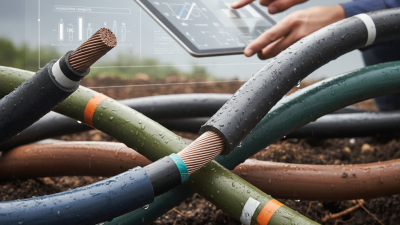
In wet environments, choose cables that offer high moisture resistance. Cables with proper insulations prevent water infiltration, extending lifespan. In harsh climates, extreme temperatures can degrade cable materials. Ensure the cable can withstand both hot and cold extremes, maintaining efficiency in varying conditions.
Tips: Always assess the local climate. High UV exposure requires UV-resistant jackets. Similarly, corrosion-resistant materials are vital in chemical-rich areas. Be aware of potential hazards and adjust your specifications accordingly. It’s easy to overlook these details but doing so can lead to costly failures. Evaluate your chosen cable carefully before installation.
Installation and Maintenance Tips for MV Cables
When installing Medium Voltage (MV) cables, careful planning is essential. Prioritize the right materials for the environment. Use appropriate insulators to avoid damage. Always check for compatibility with other systems. It’s vital to ensure cables are installed in dry conditions. Moisture can lead to severe insulation failures.
During maintenance, regular inspections can help identify potential problems early. Look for signs of wear and tear. This includes cracks in insulation or any discoloration. Keeping cables cool is important. Overheating can lead to insulation breakdown. If a cable appears damaged, consider replacing it promptly. Delaying repairs can worsen the situation.
Proper grounding is often overlooked. Ensure all MV cables are well-grounded. This protects both the equipment and personnel. Educating staff on safe handling can prevent accidents. Document maintenance routines for accountability. Reflect on past mistakes to improve future installations and maintenance efforts. Learning from experience can enhance reliability.
Cost Considerations and Budgeting for MV Cable Projects
When budgeting for MV cable projects, understanding costs is crucial. MV cables vary widely in price. Factors include specifications, suppliers, and project scale. It's vital to assess your project's needs first. Without a clear understanding, you may overspend or under-specify.
Psd Cable is often a common choice due to its reliability. However, its cost can add up. Always research alternatives. Sometimes, a less expensive option meets your needs just as well. Look at installation expenses, not just the cable price. Trenching and labor can significantly impact your budget.
Consider potential hidden costs. Unforeseen circumstances may arise during installation. Adjust your budget accordingly. Keep a contingency fund for surprises. An effective budgeting strategy includes regular reviews. Doing so ensures you stay on track throughout your project. This approach helps avoid common financial pitfalls.
Maximizing Electrical Safety and Efficiency: Insights from Industry Reports on Rubber Cable Applications and Innovations
Rubber cables play a pivotal role in enhancing electrical safety and efficiency across various applications, thanks to their unique composition and design. The blend of natural and synthetic rubbers in their insulation and jackets provides exceptional flexibility and durability. This characteristic is particularly beneficial in environments where cables are frequently moved or require bending, ensuring they maintain their integrity over time. Such flexibility is essential not only in residential settings but also in industrial and outdoor applications, where adaptability is crucial.
Furthermore, the environmental resistance demonstrated by rubber cables is significant. They are designed to withstand a variety of conditions, including extreme temperatures, moisture, and exposure to chemicals. This resilience makes them an ideal choice for outdoor installations, where traditional cables might falter. Industry reports highlight the growing reliance on rubber cable applications, particularly in industries that prioritize safety and efficiency. By investing in rubber cables, companies can minimize downtime and reduce the risk of failures, ultimately leading to enhanced operational productivity.
FAQS
: MV cables carry voltages from 1 kV to 35 kV. They connect power plants to substations.
MV cables often use copper or aluminum as conductors. Insulation types can vary widely.
Poor installation can cause premature failures. Flawed connections may result in significant outages.
Moisture, temperature, and chemicals influence cable performance. Proper assessments are crucial for longevity.
PVC is common for indoor uses. XLPE is better for outdoor and underground settings.
Use fire-resistant cables that maintain circuit integrity during fires. Certifications are essential for safety.
Evaluate installation conditions like moisture and temperature. This prevents costly mistakes later on.
Ignoring these details may lead to premature failures. Assess your project's unique needs carefully.
Poor workmanship and wrong cable selection. Both can lead to financial losses and outages.
It helps prevent unexpected breakdowns. Scheduling maintenance checks can extend cable lifespan.
Conclusion
When selecting the right MV cable for your projects, it is crucial to understand what MV cables are and their common applications. MV cables, or medium voltage cables, are essential in power distribution systems, facilitating the transmission of electricity between substations and end-users. Key factors to consider include the voltage rating, insulation standards, and the specific types of MV cables suited to different environments and conditions, which can significantly impact performance and longevity.
Additionally, proper installation and maintenance are vital for ensuring the reliability of MV cables. It's important to budget appropriately, as costs can vary based on the chosen materials and installation methods. By considering these elements carefully, you can make informed decisions that will enhance the efficiency and safety of your electrical projects involving MV cables.