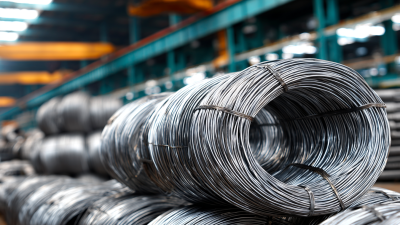
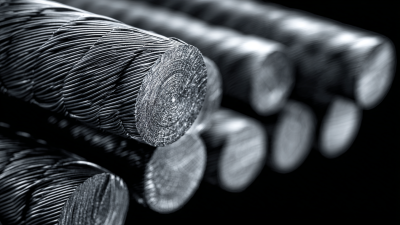
Hey, have you heard about Aluminum Clad Steel Wire? It’s actually catching on pretty fast across a bunch of industries. Basically, it combines the strength of steel with the corrosion resistance of aluminum — pretty clever, right? That combo makes it super useful for stuff like construction, telecom, and electrical work. Since everyone’s looking for lighter but durable materials these days, it’s kinda important to get a good handle on how it’s made.
In this piece, I wanna share with you the top five factories in China that are really rocking it when it comes to manufacturing high-quality Aluminum Clad Steel Wire. Each one shows off some serious expertise and innovative thinking — you can tell they care about reliability and quality. The cool thing is, these factories pay close attention to every detail and have solid quality checks in place. Of course, even industry leaders face challenges like keeping things consistent and staying ahead of new market demands.
From the hi-tech machinery to the skilled workers, these factories truly stand out. Their dedication to creating top-notch Aluminum Clad Steel Wire is pretty obvious. My goal here is to give you a bit of an inside look and hopefully inspire you. Whether you’re looking for the best materials for your projects or just curious about the manufacturing scene, these factories should definitely be on your radar. Think of them as trusted partners on your journey — always improving, always pushing for better stuff.
So yeah, that’s the scoop. Hopefully, this insight helps you see where quality really matters in the manufacturing world!
Overview of Aluminum Clad Steel Wire and Its Applications
Aluminum clad steel wire combines the strength of steel with the conductivity of aluminum. This innovative material is widely used in various industries, including telecommunications and electrical applications. According to a report by Research and Markets, the global aluminum clad steel wire market is projected to grow significantly, with a compound annual growth rate (CAGR) reaching 5.1% through 2026.
The use of aluminum clad steel wire enhances performance while reducing weight. In telecommunications, it is used for overhead power lines and Ground Wires. The aluminum layer improves corrosion resistance, which is essential for outdoor applications. However, there are challenges to consider. The bonding between the aluminum and steel can vary based on manufacturing processes, affecting overall reliability.
Additionally, while aluminum clad steel wire provides cost benefits, some applications may still prefer alternatives like Copper Clad Steel Wire for superior conductivity. Understanding the nuances of these materials is crucial for making informed choices in engineering and construction projects. As industries evolve, further research and development are necessary to maximize the potential of aluminum clad steel wire while addressing durability and performance concerns.
Key Characteristics of High-Quality Aluminum Clad Steel Wire
Aluminum clad steel wire stands out for its unique properties and applications. Key characteristics include corrosion resistance and reduced weight, which make it ideal for various industries. This wire combines the strength of steel with the oxidative protective layer of aluminum. The coating provides an extra shield, enhancing durability.
When evaluating aluminum clad steel wire, consider its conductivity. This material often exhibits better electrical conductivity than standard steel wire. The balance between aluminum and steel can affect performance, so manufacturers focus on optimal ratios. Quality production processes ensure uniform thickness and perfect adhesion between layers.
Despite its advantages, challenges exist. The bonding strength between aluminum and steel can vary. Imperfect bonding might lead to premature failure in harsh environments. Recognizing these potential issues can guide industry professionals toward better procurement decisions and ensure reliable applications in their projects.
Criteria for Evaluating Aluminum Clad Steel Wire Factories
When evaluating aluminum clad steel wire factories, various criteria play a crucial role. First, assess production capacity. A factory's output capability indicates its potential to meet demand. High-volume facilities often have a modern setup, enabling efficient production processes. Quality control is another vital aspect. Factories with robust quality assurance systems are more likely to produce reliable products.
Examine the materials used in manufacturing. Reputable factories source high-grade aluminum and steel. This choice directly impacts the final product's durability and performance. Worker expertise should not be overlooked. Skilled labor contributes significantly to the quality of the final wire. Factories investing in training programs tend to have better output quality.
Certifications also provide insight into a factory’s credibility. Look for ISO or other industry-specific certifications. These signify adherence to rigorous quality standards. Transparency in operations is a key factor to consider. Factories willing to share their production methodologies and quality testing practices instill confidence. Evaluating these elements can pinpoint factories that prioritize quality and reliability.
Top 5 China High-Quality Aluminum Clad Steel Wire Factories You Should Know
| Factory Location | Production Capacity (tons/year) | Years in Operation | Certifications | Special Features |
| Shanghai | 50,000 | 15 | ISO 9001, CE | High tensile strength |
| Beijing | 30,000 | 10 | ISO 14001 | Corrosion-resistant |
| Guangzhou | 25,000 | 8 | RoHS, UL | Lightweight design |
| Shenzhen | 40,000 | 12 | ISO 9001, TS 16949 | Enhanced conductivity |
| Ningbo | 35,000 | 9 | ISO 14001, CE | Eco-friendly materials |
Top 5 Factories for Aluminum Clad Steel Wire in China
China has gained recognition as a global leader in the production of Aluminum Clad Steel Wire. Industry reports suggest that the demand for such materials has soared by 30% in recent years. This growth is driven by the increasing need for lightweight, corrosion-resistant wire in various applications. While many factories have emerged, a few stand out for their remarkable production quality and innovation.
One key factor is the rigorous quality control measures implemented throughout the manufacturing process. Data shows that top factories maintain rejection rates below 5%, ensuring reliability in end products. Advanced technology is instrumental in achieving these results. However, some factories still face challenges with consistency in material sourcing.
The integration of Copper Clad Steel Wires into aluminum clad products presents both opportunities and risks. Manufacturers often struggle with the balance between cost and performance, which can lead to variable outcomes.
A closer look at production techniques reveals that many leading factories invest heavily in R&D. They focus on creating wires that not only meet but exceed industry standards. Yet, despite technological advancements, challenges in workforce training can hinder overall productivity. As the market grows, companies must adapt to evolving customer expectations while maintaining stringent quality standards. High-quality production, therefore, remains a key factor in establishing a successful presence in this competitive industry.
Detailed Profiles of Each Featured Factory
China is home to several high-quality aluminum clad steel wire factories. Each factory has distinct strengths and capabilities. Their expertise in manufacturing processes ensures robust products that meet industry standards.
One notable factory focuses on advanced production technologies. They employ automated machinery for precision. This results in consistent quality in every batch. Their team is skilled, but challenges can arise. For instance, variations in raw materials sometimes affect output. However, their commitment to improvement shines through.
Another factory specializes in custom solutions. They prioritize understanding customer needs. Yet, this approach can lead to longer lead times. The factory is also known for its research efforts. They continuously innovate, particularly in Aluminum Wire In A Steel Fitting applications. This investment in R&D highlights the factory's dedication to meeting market demands.
Top 5 High-Quality Aluminum Clad Steel Wire Factories in China
Innovation and Technology in Aluminum Clad Steel Wire Production
Innovation plays a crucial role in the production of aluminum clad steel wire, enhancing its performance and application efficacy. Recent reports indicate that the demand for aluminum clad steel wire is projected to grow by 5% annually, driven by advancements in technology. Factories now utilize automated systems for wire drawing and coating, ensuring high precision and quality. With the integration of smart manufacturing techniques, production efficiency has improved significantly.
In the realm of Metal Clad Cable, aluminum clad steel wire has shown remarkable properties, including corrosion resistance and lightweight characteristics. These attributes make it ideal for use in various industries, from telecommunications to construction. Advanced metallurgy techniques allow for better bonding between aluminum and steel, resulting in an overall stronger product. Despite these advancements, some manufacturers struggle with consistency in quality control, which can lead to performance discrepancies in the end product.
Innovative testing methods are now being adopted to address these challenges. Factories are investing in real-time quality monitoring systems to reduce defects. As the industry evolves, the need for continuous improvement and adaptation to new technologies becomes crucial. The landscape of aluminum clad steel wire production is dynamic, requiring ongoing research and development to maintain competitiveness in a growing market.
Future Trends in the Aluminum Clad Steel Wire Industry
The aluminum clad steel wire industry is evolving rapidly. Increased demand for lightweight yet strong materials drives innovations. According to industry analysts, this market is expected to grow by 6% annually through 2027. Steel provides strength while aluminum ensures corrosion resistance. This unique combination attracts various sectors for applications in construction, automotive, and electrical industries.
Tips: When selecting aluminum clad steel wires, consider climate impact. Corrosion resistance proves vital in coastal areas. The right choice enhances durability.
Sustainability is becoming a critical focus. Manufacturers are exploring eco-friendly production methods. Recycled materials are increasingly used, promoting a circular economy. Reports indicate that companies reducing carbon footprints could gain a competitive edge. However, challenges remain. Quality control must not compromise as production scales up.
Tips: Keep an eye on supply chains. Shortages in raw materials may affect prices. Understanding market dynamics can help in strategic planning.
Exploring PVC Insulated Building Wire: Market Trends, Application Insights, and Growth Projections in the Electrical Wiring Industry
PVC insulated building wires have emerged as a fundamental component in the electrical wiring industry, catering to a diverse array of applications across residential, commercial, and industrial sectors. The intrinsic properties of PVC (Polyvinyl Chloride) insulation play a crucial role in enhancing the performance and reliability of electrical systems. Known for their durability and flexibility, these wires are designed to withstand a variety of environmental conditions, offering resistance to moisture, chemicals, and abrasion. This makes them an ideal choice for installations where longevity and safety are paramount.
Market trends indicate a growing demand for PVC insulated building wires, driven by an increasing focus on energy efficiency and safety in electrical installations. As industries evolve and move towards sustainable practices, the need for high-conductivity wiring solutions becomes more evident. Our comprehensive range of PVC insulated wires not only meets international safety and compliance standards but also ensures optimal power transmission efficiency. This positions these wires as a pivotal element in supporting the future growth projections within the electrical wiring landscape, allowing for seamless integration into modern infrastructure projects.
FAQS
: It has corrosion resistance and reduced weight. These features make it suitable for various industries.
It usually exhibits better electrical conductivity than standard steel wire, enhancing its usability.
The balance between aluminum and steel ratios can influence performance significantly.
Quality processes maintain uniform thickness and strong adhesion between the aluminum and steel layers.
Yes, bonding strength can vary, causing potential failures in harsh environments.
Variations can affect output, posing challenges even for skilled teams.
Understanding specific customer needs can extend production time beyond standard schedules.
Continuous innovation helps meet market demands and improve product offerings.
Consistency is crucial for quality; variations can undermine product reliability and performance.
Recognizing potential bonding issues can guide better procurement decisions for reliable applications.
Conclusion
Aluminum Clad Steel Wire is a versatile material prominently used in various applications due to its unique properties, combining the strength of steel with the conductivity and corrosion resistance of aluminum. This article delves into the key characteristics that define high-quality Aluminum Clad Steel Wire, such as durability, electrical conductivity, and resistance to environmental factors.
In addition, it outlines essential criteria for evaluating manufacturing facilities, presenting a curated list of the top five factories in China known for their excellence in Aluminum Clad Steel Wire production. Each factory is profiled in detail, highlighting their innovative practices and technology contributions to the industry. The discussion also extends to future trends, underscoring the evolving landscape of Aluminum Clad Steel Wire and its potential towards enhanced functionality and sustainability in various sectors.