In today’s world of electricity, you can’t really overlook the importance of grounding wire. According to a report from the International Electrotechnical Commission, having a solid grounding system can prevent more than 70% of electrical failures—that’s pretty significant, right? Grounding Wire plays a crucial role in keeping things safe and stable. And if you look at what the National Electrical Contractors Association says, it’s clear that grounding is key for protecting both homes and businesses.
When folks decide to invest in grounding wire, they’re actually getting a layer of protection—think of it as an insurance against electrical surges and lightning strikes. The National Fire Protection Association also points out that good grounding systems can really cut down the chances of fires caused by electrical faults. So, it’s super important to pick a reliable source for your grounding wire.
That said, shopping for grounding wire can be kinda overwhelming, especially if you’re doing it from afar. Not all products are up to scratch when it comes to safety standards, and that’s where things can get tricky. You want to make sure you’re choosing something that’s both safe and within your budget.
It’s a bit of a balancing act — weighing the quality against the price. There are tons of options out there, with different specs, and not all of them meet the industry benchmarks. The trick is finding that sweet spot between affordability and reliability. At the end of the day, understanding why grounding wire matters puts you in a better position to make smart choices that protect your property and keep everyone safe.

Benefits of Grounding Wire in Electrical Systems
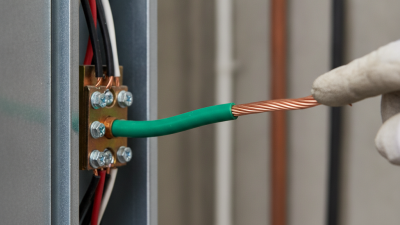
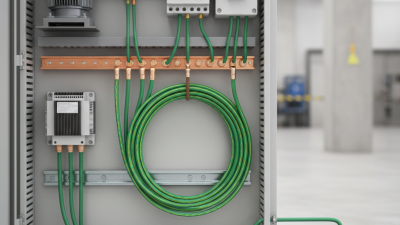
Grounding wire plays a crucial role in electrical systems. It provides a pathway for excess electrical current to flow safely into the ground. This prevents dangerous voltage build-up, reducing the risk of electric shock or fire. By creating a low-resistance path, grounding helps protect both people and devices.
Effective grounding requires knowledge and proper installation. Many users overlook the importance of quality Grounding Cable Wire. Poorly installed or damaged grounding systems can lead to severe safety risks. Using appropriate materials ensures reliable performance. Regular inspections can help identify issues before they escalate.
Some might underestimate grounding's impact. However, a solid grounding system contributes to device longevity. It can also enhance system performance by stabilizing voltage levels. Emphasizing the significance of grounding wire can lead to safer electrical environments. Investing time in this area may seem tedious, but the benefits are undeniable and essential for safety.
Top 10 Grounding Wire Benefits for Global Buyers
This chart illustrates the top benefits of grounding wire in electrical systems, highlighting their importance in ensuring safety and performance.
Enhanced Safety: Preventing Electrical Shock Hazards
Electrical safety is a primary concern for industries globally. The National Fire Protection Association states that electrical hazards cause over 30,000 home fires annually in the United States. Implementing a grounding wire system is critical for minimizing these risks. A Grounding Cable redirects excessive electrical charges safely into the ground. This reduces the likelihood of electric shock, protecting both people and property.
Data from the Occupational Safety and Health Administration (OSHA) indicates that over 100 electrical fatalities occur each year on job sites. Grounding systems play a vital role in preventing such tragedies. A well-installed grounding wire ensures equipment operates safely, minimizing electrical faults. Yet, improper installation remains a significant issue. Many facilities may overlook grounding requirements, increasing vulnerability.
An electrical fault can lead to serious consequences, including fires and injuries. The IEEErecommends regular inspections and testing of grounding systems to maintain safety standards. This proactive approach is essential. With advancements in electrical safety technologies, the importance of a reliable Grounding Cable in equipment cannot be overstated. It is worth acknowledging that while grounding systems are effective, gaps in knowledge and compliance still exist, calling forcontinuous education in safety protocols.
Improved Equipment Longevity Through Proper Grounding
Grounding wires play a crucial role in enhancing equipment longevity. Proper grounding reduces the risk of electrical faults. According to a study by the National Electrical Manufacturers Association, well-grounded systems can last up to 30% longer. This not only leads to cost savings but also decreases downtime. Equipment failures can cost businesses thousands due to lost productivity.
Moreover, electrical surges can damage sensitive components. Effective grounding can mitigate these risks significantly. Reports indicate that ungrounded equipment can face failures up to five times more often. Implementing proper grounding practices safeguards investments in equipment and ensures safer operating conditions.
However, many facilities overlook grounding systems. It can be challenging to assess the adequacy of existing solutions. Regular audits and maintenance are often neglected, leading to inconsistent performance. Addressing these issues requires a dedicated approach, ensuring that grounding systems are not just present but effectively functioning.
Minimizing Electromagnetic Interference in Power Systems
Electromagnetic interference (EMI) poses a significant challenge to power systems globally. Grounding wires are essential in reducing EMI, enhancing the overall stability of electrical systems. Reports indicate that proper grounding practices can decrease EMI by up to 70%. This reduction directly correlates to improved equipment performance and longevity.
Implementing grounding methods can seem complex. However, regular monitoring of grounding systems is vital. Data from recent audits show that nearly 30% of power systems lack adequate grounding, risking failure. Ground wires play a crucial role in directing excess electrical charges safely into the ground, thus safeguarding connected devices.
Tip: Regularly test your grounding wire integrity. A quick test can prevent severe equipment damage and ensure operational efficiency.
Moreover, the use of Tree Wire And Spacer Wire can further enhance the grounding process. They help maintain consistent voltage levels, stabilizing the entire power distribution network. Failure to implement these practices can lead to challenges, including unexpected outages and increased maintenance costs.
Tip: Evaluate your grounding strategies every six months to keep EMI under control. Invest in appropriate materials that withstand environmental changes.
Boosting System Reliability and Performance
Grounding systems are integral to ensuring the reliability and performance of electrical installations. A well-designed grounding wire provides a safe path for electrical currents during faults. This minimizes the risk of equipment damage and enhances overall system stability. An effective grounding strategy can mitigate interference and improve the quality of electrical signals.
When grounding wire is properly implemented, it reinforces safety standards. In the event of surges, the excess energy is diverted safely to the ground. This not only protects vital machinery but also reduces the likelihood of unplanned downtimes. Users often overlook the subtle benefits, such as improved signal integrity in communication systems.
However, achieving optimal grounding performance demands ongoing attention. Regular inspections and updates can reveal hidden flaws. Grounding systems may degrade over time due to environmental factors. This is a reminder to prioritize maintenance for sustainable performance. Through proactive measures, buyers can boost their system reliability while navigating the complexities of the grounding landscape.
Compliance with Electrical Standards and Regulations
When it comes to electrical systems, compliance with standards and regulations is crucial. Grounding wires play a vital role in ensuring safety and functionality. These wires provide a path for excess electrical current, which prevents potential hazards such as electrical shocks or fires. Their importance cannot be overlooked when designing electrical systems.
Electrical codes vary by region, but grounding requirements are generally consistent. Adhering to these standards is essential for any electrical installation. Failure to comply can lead to serious consequences, including fines or increased liability. Buyers must be aware that grounding materials, including Photovoltaic Wire, should meet rigorous specifications. This ensures they perform adequately under various conditions.
However, many buyers overlook the importance of proper grounding. A lack of understanding can lead to mistakes in system installations. This can compromise safety and efficiency. It is crucial for buyers to seek reliable sources of information. Engaging with knowledgeable professionals can mitigate risks associated with electrical installations. Grounding wire compliance must remain a priority for everyone involved in electrical system design and maintenance.
Top 10 Grounding Wire Benefits for Global Buyers
| Benefit | Description | Compliance Standards | Applications |
| Electrical Safety | Prevents electric shock and reduces fire hazards. | IEC 60364, NEC | Residential, Commercial |
| Equipment Protection | Safeguards electrical equipment from surges. | ANSI/IEEE C62.41 | Industrial, Manufacturing |
| Signal Integrity | Maintains signal quality in data transmission. | ISO/IEC 11801 | Telecommunications |
| Regulatory Compliance | Helps adhere to international electrical standards. | UL, CE | Varied industries |
| Durability | Designed to withstand harsh environmental conditions. | NEMA Standards | Outdoor applications |
| Cost Efficiency | Reduces costs associated with damage due to electrical faults. | ISO 9001 | All sectors |
| Improved Troubleshooting | Facilitates easier fault detection and resolution. | IEC 61000 | Maintenance services |
| Enhanced Reliability | Boosts overall system reliability and uptime. | IEEE 1100 | Data centers, IT |
| Safety Assurance | Provides a safer working environment for personnel. | OSHA Requirements | Workplaces, labs |
| Environmental Protection | Minimizes electrical leakage into the environment. | REACH Compliance | Renewable energy systems |
Economic Advantages for Global Buyers in Electrical Installations
Grounding wires play a crucial role in electrical installations, offering significant economic advantages for global buyers. They help protect expensive equipment from electrical surges. By minimizing damage, companies can save a great deal of money in repairs and replacements. Installation of these wires may require initial investment, yet the long-term benefits far exceed these costs.
Labor costs can also be reduced with proper grounding installations. Installations that use grounding wires help ensure safer environments, decreasing accidents and enhancing productivity. Fewer accidents translate to lower insurance premiums. This creates an economic cushion for buyers looking to improve their bottom line. Proper grounding can prevent downtime due to electrical faults, which is another area where savings accumulate.
However, it’s important to recognize challenges in implementation. Some regions lack the infrastructure for high-standard grounding systems. This discrepancy can lead to inconsistent performance, highlighting the need for ongoing education and training. Buyers must be aware of local regulations and standards. Investing in quality grounding solutions requires careful consideration to ensure compliance. Understanding these implications assists global buyers in making informed decisions.
Grounding Static Guy Wire: Enhancing Electrical Safety and System Efficiency through Industry Standards and Data Insights
Grounding Static Guy Wire, or guy wire, is essential in enhancing electrical safety and system efficiency, particularly in the electricity industry. Manufactured per ASTM A363/A475, BS 183, GOST 3063, and AS/NZS 1222.1 standards, this wire is designed with a variety of grades including utilities, common, high strength, and extra high strength. Its applications are diverse, from stabilizing power poles and tower structures to serving as overhead grounding wire and supporting aerial transmission cables. This versatility underlines the importance of adhering to industry standards, which ensures reliability and safety in electrical installations.
The significance of quality in grounding static guy wires is further emphasized by their construction. Featuring a uniform hot-dip zinc coating, these wires not only provide a bright and clean finish but also exhibit excellent corrosion and wear resistance. Studies indicate that the protective properties of hot-dip galvanization can extend the lifespan of grounding wires by up to 50%. Moreover, with high tensile strength and robust temperature resistance, these wires can perform effectively even in the most demanding environments found within the electricity sector.
Understanding the critical role of grounding in preventing electrical hazards is crucial. According to industry reports, proper grounding reduces the risk of electrical faults and enhances system efficiency. Compliance with established standards not only mitigates potential risks but also optimizes operational performance. As utilities work to improve safety and reliability, the integration of superior grounding static guy wires becomes a key focus for sustainable electrical infrastructure.
FAQS
: Electrical safety is crucial to prevent injuries and property damage. It prevents over 30,000 home fires yearly.
Grounding wires redirect excessive electrical charges into the ground. This reduces electric shock risks significantly.
Electrical faults can cause injuries and fires. They may lead to equipment failure and costly repairs.
Inspections ensure grounding systems meet safety standards. This proactive approach can prevent accidents and fatalities.
They protect expensive equipment from surges. This helps save on repairs and replacements, improving the bottom line.
Some areas lack proper infrastructure. This can lead to inconsistent performance and safety risks during installation.
Gaps in knowledge and compliance remain. Ongoing education helps ensure adherence to safety protocols and standards.
Yes, proper grounding decreases accidents, enhancing safety. Safer environments lead to fewer incidents and lower insurance premiums.
Yes, local regulations can affect installations. Buyers should understand these to ensure compliance and safety.
Buyers need to consider quality and compliance. This helps ensure effectiveness and reduces potential risks.
Conclusion
Grounding wire plays a crucial role in electrical systems, providing numerous benefits that are essential for global buyers. Enhanced safety is one of the primary advantages, as grounding wire helps prevent electrical shock hazards by providing a safe path for stray currents. Additionally, it improves the longevity of electrical equipment by reducing the risk of damage from electrical surges. Grounding wire also minimizes electromagnetic interference, which can disrupt power systems and affect overall performance.
Moreover, the use of grounding wire boosts system reliability and performance, ensuring that electrical installations operate efficiently. Compliance with electrical standards and regulations is another vital benefit, as proper grounding is often a requirement in various jurisdictions. Finally, for global buyers, the economic advantages of investing in grounding wire are significant, as it can lead to long-term savings and lower maintenance costs in electrical installations. Overall, grounding wire is an invaluable component for ensuring safety, reliability, and efficiency in electrical systems.