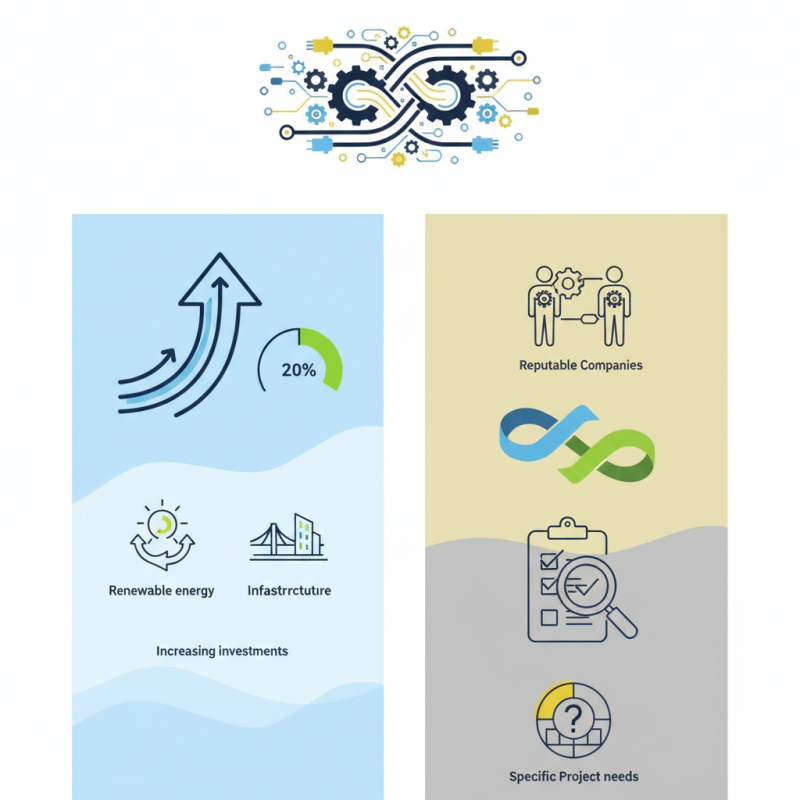
Hey, in today’s fast-moving world of industry, it’s no surprise that the demand for top-quality medium voltage (MV) cables has really shot up. Just a heads-up—industry reports now say the global Mv Cable market is expected to grow around 6.8% annually from 2021 to 2026. What’s driving this? A big part of it is all the new investments in renewable energy projects and infrastructure upgrades. Picking the right MV cable supplier isn’t just a detail; it can actually make or break your project's efficiency and how long it lasts.
There are quite a few trusted companies leading the charge, each with their own strengths. For example, Prysmian Group is known for their innovative tech, while Nexans is all about sustainability. Both are solid options and show just how much potential this industry has. That said, not every supplier out there hits all the high standards—you’ve got to be careful. Quality issues can pop up and cause real headaches during project execution, so doing your homework on suppliers is absolutely critical.
When you’re shopping for MV cables, knowing exactly what you need is key. Different projects—whether it’s a residential complex or a huge renewable energy farm—have different requirements. Honestly, don’t just rely on a supplier’s reputation; dig deeper. Check their track record and how reliable their products really are, especially with the market changing so fast. Getting familiar with the top players will definitely help you make smarter decisions when it’s time to buy.
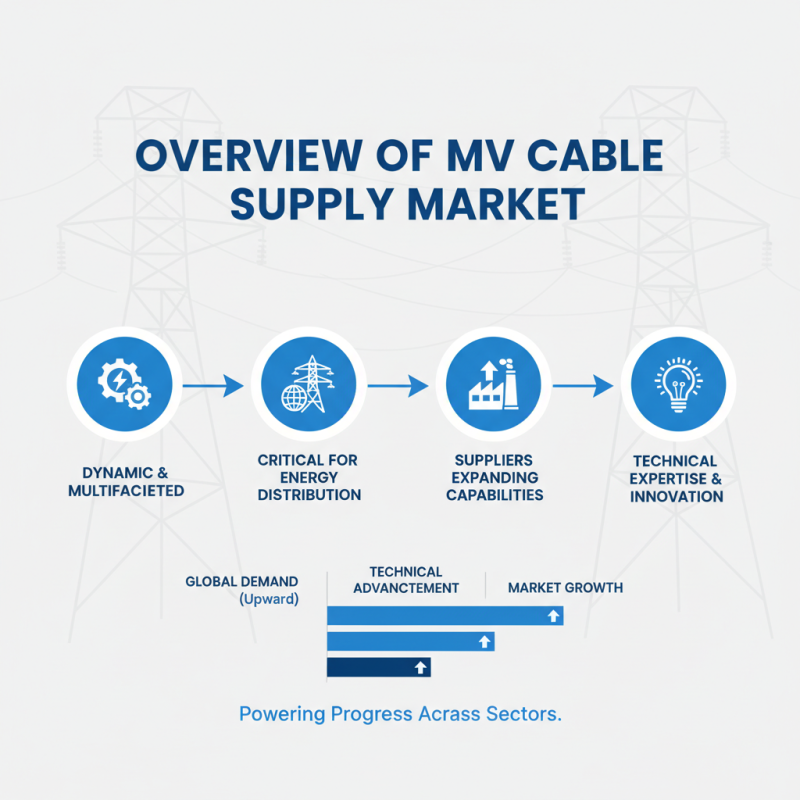
Overview of MV Cable Supply Market
The medium voltage (MV) cable supply market is dynamic and multifaceted. It plays a critical role in energy distribution across various sectors. Suppliers are expanding their capabilities to meet the ever-growing global demand. The market encompasses significant technical expertise and innovation.
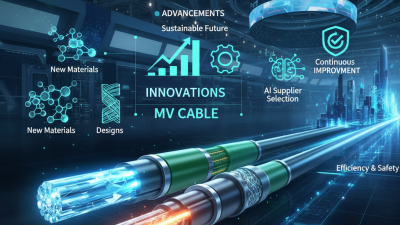
In recent years, the focus has shifted toward sustainability and efficiency. Various suppliers are adopting eco-friendly materials. This transition presents challenges, as initial costs may be higher. However, these efforts may lead to better long-term savings and reduced environmental impact.
Understanding the specific needs of different regions is essential. Market trends vary greatly depending on geographic location. Suppliers must remain adaptable to customer preferences and regulatory requirements. The complexities of this market emphasize the need for suppliers to enhance their product offerings continually. Identifying these gaps can improve service delivery and strengthen supplier reputation.
Criteria for Selecting MV Cable Suppliers
When selecting MV cable suppliers, specific criteria are essential for ensuring reliability and performance. A pivotal consideration is the supplier’s manufacturing capacity. According to a recent industry report, companies with advanced production capabilities can influence lead times and price stability. Understanding a supplier’s production process can help predict potential supply chain disruptions.
Quality certifications play a vital role. Suppliers should possess international quality standards, such as ISO 9001. Reports indicate that suppliers adhering to these standards have a lower defect rate, enhancing overall project reliability. Evaluating past project performance can also provide insight into a supplier's ability to meet deadlines and budgets.
Sustainability practices are increasingly important. With rising global awareness, firms favor suppliers who demonstrate environmental responsibility. Research shows that companies with robust sustainability policies enjoy better market positioning. Engaging suppliers who prioritize eco-friendly practices can also foster a positive brand image. This is not just a trend; it is becoming a necessity in procurement strategies.
Top 10 MV Cable Suppliers: A Detailed Assessment
The demand for Mv Cables in the energy sector has been on the rise. Industry forecasts indicate a compound annual growth rate of 6% for medium voltage cables from 2023 to 2030. This growth stems from expanding renewable energy projects and grid modernization. A 2023 report highlights that over 35% of energy companies are investing in MV cable technologies to enhance efficiency.
Selection of MV cable suppliers involves several critical factors. Quality and reliability are paramount. A report from a leading industry analyst states that 25% of cable failures are linked to inferior manufacturing standards. Additionally, the geographical presence of suppliers plays a vital role. Suppliers with global reach are often preferred to ensure timely delivery and support.
Sustainability concerns also shape procurement decisions. Many companies are scrutinizing their supply chain for eco-friendly practices. Over 40% of industry leaders now prioritize suppliers who follow sustainable production methods. This trend reflects a broader commitment to climate change mitigation. Nonetheless, the challenge remains to balance cost-effectiveness with these rising standards.
Top 10 MV Cable Suppliers - Market Share Distribution
Supplier Profiles: Key Strengths and Offerings
When considering MV cable suppliers, it’s crucial to evaluate their key strengths and offerings. Many suppliers focus on specialized cables, like Fire Resistant Cable, which ensure safety in extreme conditions. Their ability to customize solutions plays a significant role in meeting diverse procurement needs. Factors such as material quality and compliance with international standards define these suppliers' reliability.
Expertise in manufacturing techniques sets successful suppliers apart. They leverage advanced technologies for better performance and durability. Some have proven track records in industries like power generation and construction. However, it's essential to analyze their customer service and support. Many suppliers are still refining their approach to client relations, revealing areas for improvement.
Not every supplier can guarantee consistent delivery timelines. Delays can impact project schedules, causing frustration. Therefore, it’s worth investigating their logistics and inventory management capabilities. These factors contribute to their overall effectiveness in global procurement. Addressing these challenges can help suppliers refine their operations, ultimately serving clients better.
Global Reach: Distribution and Logistics Capabilities
When selecting MV cable suppliers, assessing their global distribution and logistics is crucial. The ability to deliver products on time can significantly affect project timelines. Suppliers with established networks can navigate complex international markets with ease. A strong logistics team ensures efficient shipping, reducing delays at customs. This is especially important for industries reliant on a steady supply of materials, such as infrastructure and renewable energy.
Having local distribution centers can enhance responsiveness. Regional hubs allow for quicker delivery times. However, not all suppliers have this capability. Small to medium-sized companies may struggle with logistics. This can lead to supply chain vulnerabilities. It’s also important to review a supplier’s experience in managing larger contracts. Familiarity with large-scale projects like Network Rail Cable installations indicates reliability.
While many suppliers boast impressive logistics, some may fall short in actual performance. A thorough evaluation of their past projects can reveal potential issues. Transparency in communication is vital. Understanding how suppliers manage unexpected challenges will help in making informed decisions. Knowledge of their logistics strategies is a key factor that can enhance procurement outcomes.
Customer Service and Support in MV Cable Supply
When it comes to sourcing medium voltage (MV) cables, customer service and support play crucial roles. Effective communication between suppliers and clients builds trust. Clear responses to inquiries can make or break a procurement relationship. In the MV cable business, technical assistance is vital. Suppliers should be ready to provide detailed specifications and installation guidance. Without proper support, even the best cables may lead to installation issues.
Quality assurance is another aspect of customer service. Suppliers must conduct thorough testing of their products, ensuring reliability. Psd Cable, for instance, may emphasize rigorous quality checks. This guarantees clients receive cables that can withstand harsh conditions. Suppliers should also be proactive in providing updates on inventory and delivery schedules. Delays can disrupt projects, and understanding this is key for maintaining customer satisfaction.
However, not all suppliers meet these ideals. Some may lack the technical expertise in MV cable distribution. This often leads to confusion and frustration among customers. A solid reputation in the industry is critical; however, it can sometimes be misleading. Evaluating suppliers based on customer feedback is essential. Engaging with previous clients can reveal insights into the actual support experience. It's crucial to reflect on these factors before making procurement decisions.
Future Trends in MV Cable Supply and Procurement
The MV cable market is evolving rapidly. Industry reports indicate that the demand for medium voltage cables is projected to grow at a CAGR of 8.4% from 2021 to 2028. This growth is influenced by increasing investments in renewable energy infrastructure and smart grid developments. Moreover, as urbanization continues, cities need more efficient energy distribution systems. This trend is especially evident in emerging markets.
One important aspect to consider is the shift toward sustainable procurement practices. Organizations are prioritizing suppliers that adhere to environmental standards. According to a recent survey, 78% of procurement professionals are evaluating suppliers based on sustainability criteria. This shift requires companies to adapt quickly or risk falling behind.
Tip: When evaluating suppliers, always check their sustainability certifications. It can provide insights into their commitment to eco-friendly practices.
Another trend is the increasing digitalization in procurement processes. Many companies are integrating advanced analytics and AI into their supply chain management. Data shows that 67% of firms are investing in technology to enhance procurement efficiency. This approach minimizes risks and optimizes supplier selection.
Tip: Regularly update your procurement software to leverage the latest analytics tools. Staying current can improve decision-making and accountability.
In summary, the MV cable supply landscape is changing. Embracing sustainability and technology will be crucial for future success. Evaluating evolving trends and adapting accordingly could make all the difference in a competitive market.
Emerging Trends and Market Insights for Aerial Fiber Optic Cable: Leveraging Industry Reports for Future Growth
Emerging trends in the telecommunications sector indicate a growing demand for high-performance Aerial Fiber Optic Cables, designed to withstand the rigors of outdoor environments. These cables are essential for facilitating high-speed data transmission, making them a cornerstone for modern communication networks. With the increasing reliance on digital infrastructure, industries are seeking robust solutions that deliver both performance and reliability, especially in challenging weather conditions.
Aerial Fiber Optic Cables, such as All-Dielectric Self-Supporting (ADSS), Optical Power Ground Wire (OPGW), and Optical Phase Conductor (OPPC), cater to diverse application needs—from integration with power lines to standalone telecommunications infrastructure. Each type is engineered to offer exceptional mechanical strength and resistance to environmental stress factors, ensuring uninterrupted connectivity. OPGW and OPPC cables stand out by combining data transmission capabilities with power line protection, thereby serving dual functions that enhance operational efficiency while adhering to international performance standards.
As the landscape of telecommunications evolves, the emphasis on durable and high-speed Aerial Fiber Optic Cables becomes increasingly significant. Industries are encouraged to leverage comprehensive market reports that shed light on emerging insights and trends, allowing businesses to align their strategies with future growth opportunities. Investing in cutting-edge aerial solutions not only drives enhanced communication networks but also supports sustainable infrastructure development across various outdoor settings.
FAQS
: Key criteria include manufacturing capacity, quality certifications, and sustainability practices.
Certifications like ISO 9001 indicate lower defect rates, enhancing project reliability.
Advanced manufacturing capacity can influence lead times and price stability.
Suppliers with strong sustainability practices enjoy better market positioning and improve brand image.
Evaluating past performance helps predict a supplier's ability to meet deadlines and budgets.
Effective communication and technical assistance build trust and prevent installation issues.
Suppliers must conduct thorough testing to guarantee reliability in harsh conditions.
Feedback reveals insights into the actual support experience and can highlight areas for improvement.
Consistent delivery timelines are critical; delays can disrupt project schedules.
Some may lack technical expertise, leading to confusion and frustration among clients.
Conclusion
The article titled "Top 10 MV Cable Suppliers for Global Procurement Needs" provides a comprehensive overview of the medium voltage (MV) cable supply market, highlighting the essential criteria for selecting reliable MV cable suppliers. It delves into a detailed assessment of the top ten suppliers, examining their key strengths and product offerings that cater to diverse customer needs.
Moreover, the piece discusses the global distribution and logistics capabilities of these suppliers, emphasizing the importance of customer service and support in the MV cable sector. With a forward-looking perspective, the article identifies future trends in MV cable supply and procurement, underlining the evolving demands and technological advancements shaping the industry. This insight is crucial for businesses seeking to make informed procurement decisions in a competitive landscape.