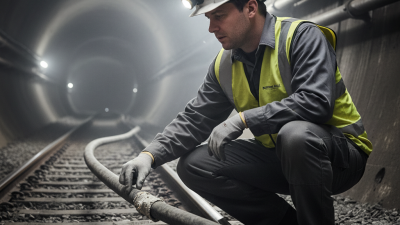
The evolution of the Network Rail Cableindustry is pretty essential when it comes to global infrastructure. Like John Smith from Global Cable Solutions points out, “Reliable cable systems are really the backbone of modern railways.” It’s such a simple but important reminder of how crucial good quality cabling is for safety and making everything run smoothly.
Looking ahead to 2026, we're expecting quite a few new solutions to hit the scene for international buyers. The big buzzwords are innovation, sustainability, and top-notch performance. But let’s be honest — navigating all these options can be a bit overwhelming. Buyers really need to understand what exactly their projects require. For example, new materials and tech are making Network Rail Cable systems way more resilient than before, and that’s definitely a good thing.
That said, it’s not all smooth sailing. Some of these new solutions can get pretty expensive, and they often need specialized training to implement properly. Companies are caught between wanting to stay innovative and being practical about costs. Decision-makers are usually faced with tough trade-offs — do they go for the most reliable solution, even if it costs more, or settle for something less robust? The Market for Network Rail Cables definitely calls for a mix of expertise and careful thinking. Only by tackling these challenges head-on can the industry keep moving forward and stay strong.
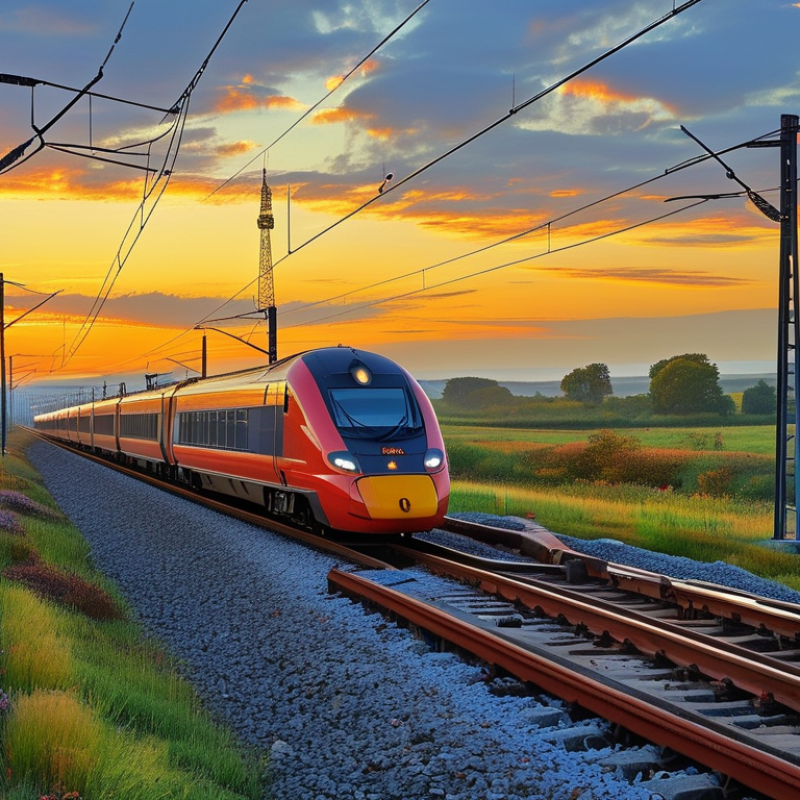
Top Trends in Network Rail Cable Solutions for 2026
The landscape of network rail cable solutions is set to evolve significantly by 2026. Key trends are shaping this industry, reflecting the growing demand for efficiency and sustainability. According to a report by the Global Railway Cable Market, the value of the sector is projected to exceed $10 billion by 2026, driven by increasing infrastructure investments.
One prominent trend is the shift towards fiber-optic cables. These cables offer high-speed data transmission, essential for modern communication systems. A recent study indicated that fiber-optic cables can transmit data at speeds over 100 Gbps, which is crucial for real-time railway operations. These advancements aim to enhance safety and operational efficiency.
Tip: When selecting cable solutions, consider both durability and adaptability. Look for materials that withstand extreme conditions while allowing for technological upgrades.
Another trend is the integration of smart technology within cable systems. Advanced monitoring tools can predict cable failures, reducing maintenance costs. Research suggests that predictive maintenance can lower unexpected outages by up to 25%. However, challenges remain regarding the integration of these technologies into existing infrastructures.
Tip: Always assess compatibility with existing systems before implementing new technologies. This ensures seamless operations without disruptions.
Key Features of Innovative Cable Systems for Rail Applications
Innovative cable systems for rail applications are essential for safety and efficiency. These systems often feature robust insulation materials. These materials can withstand harsh weather conditions and resist wear and tear. A good cable system should also integrate advanced monitoring technologies. This enables real-time assessments of cable performance.
When selecting cable solutions, consider flexibility. Different rail environments call for varied cable designs. You might find cables that adapt well to tight spaces. Additionally, look for systems that minimize electromagnetic interference. This is critical for maintaining signal integrity near operational railways.
Tips: Test cables under extreme conditions. This helps ensure durability. Also, seek feedback from industry professionals. Their insights can guide your choices effectively. Understanding the specific needs of your rail application is key. This can lead to better investment decisions in cable technology.
Global Market Demand for Network Rail Cables in 2026
As the global market for rail infrastructure grows, the demand for high-quality Network Rail Cables is expected to surge by 2026. Countries are investing in modernizing their railways to enhance efficiency and safety. This increased focus on network reliability directly drives the need for innovative cable solutions. These cables must withstand harsh environments and ensure uninterrupted service.
Tip: Consider the environmental conditions when selecting cables. Temperature fluctuations and moisture can impact performance. Opt for cables designed for specific regional challenges.
The evolution of Neural Network Cables is a game changer. These cables promise to optimize communication and energy flow in rail systems. As technology advances, railway operators require solutions that can support high-speed data transfer. Drawing from global case studies, integrating smarter cabling solutions has proven to enhance operations significantly.
Tip: Stay updated with the latest advancements in cable technology. Engage with industry experts to understand emerging trends. This knowledge is essential for making informed decisions.
Sustainable Materials in Network Rail Cable Manufacturing
The push for sustainable materials in cable manufacturing is becoming increasingly crucial. The cable industry, particularly within the realm of rail networks, is recognizing the need for eco-friendly alternatives. Reports indicate that using recycled materials can reduce production emissions by up to 30%. This shift not only addresses environmental concerns but also aligns with global sustainability goals.
Sourcing renewable materials is essential. For instance, biodegradable plastics and natural fibers are gaining traction. These materials can replace traditional petroleum-based products. A recent study revealed that integrating sustainable components can lower lifecycle costs by about 15%. Despite these advancements, challenges remain in ensuring the performance and durability of these materials.
The Automobile Cable sector presents a noteworthy example of sustainability in action. By implementing green materials, manufacturers are not only enhancing their environmental credentials but are also exploring new market opportunities. However, the industry's reliance on traditional manufacturing processes often hampers progress. Balancing innovation with proven methods remains a critical area for reflection. More companies are urged to invest in research and development, paving the way for a sustainable future in cable production.
Technological Advances Enhancing Network Rail Cable Performance
Technological advancements are reshaping the landscape of cable solutions in the railway sector. The growing importance of safety and efficiency has led to significant investments in engineering and materials. Recent reports indicate that the global network rail cable market is projected to grow at a CAGR of 5.2% from 2023 to 2028. High-performance Mv Cable is becoming a critical component in enhancing infrastructure reliability.
Innovative materials like fiber-reinforced composites are being integrated into cable designs. These materials improve durability and resistance to environmental factors. Industry experts emphasize the need for cables that withstand harsh conditions while maintaining optimal conductivity. Reports suggest that cables incorporating these advanced materials can reduce maintenance costs by 15%.
However, challenges remain in the adoption of these technologies. Not all regions have the same pace of development and implementation. There's a lingering divide between cutting-edge solutions and older systems. Many rail operators face budget constraints and regulatory hurdles. As the market evolves, stakeholders must continue to innovate and address these obstacles.
Regulatory Standards Impacting Rail Cable Solutions Worldwide
Regulatory standards play a significant role in shaping rail cable solutions across the globe. These guidelines ensure that safety, performance, and environmental concerns are adequately addressed. In many regions, standards dictate the use of Fire Resistant Cable to enhance safety in rail systems. This requirement reflects a growing awareness of potential hazards associated with rail operations. Compliance with these standards helps manufacturers create better products.
It's crucial for global buyers to stay informed about these changing regulations. Countries may implement different standards based on local needs. Buyers must ensure that their solutions meet these varying requirements to avoid costly delays and penalties. Engaging with local experts can provide valuable insights into specific regulations and product certifications available in different markets.
Tip: Regularly review the regulatory framework in your target markets. It can prevent misunderstandings and costly adjustments later. Consider collaborating with consultants knowledgeable in regulatory compliance. They can offer guidance tailored to your specific industry needs.
Top Suppliers and Brands of Network Rail Cables to Consider
When considering the best network rail cables for global buyers in 2026, it’s essential to evaluate various suppliers and brands. Understanding the reliability and durability of cables is fundamental in ensuring safety in rail systems. Many suppliers focus on thermal resistance and flexibility, which are crucial for different environmental conditions.
Quality is not just about performance; it also involves choosing suppliers with a strong reputation. Look for companies with certifications from recognized authorities. This shows their adherence to industry standards. It's wise to check customer feedback. Real experiences can reveal the true quality of products and services.
**Tips**: Always inquire about the supplier's testing methods to ensure their cables meet rigorous safety standards. If possible, visit manufacturing facilities. This provides insight into their production processes. Be skeptical of overly cheap options. Often, lower prices indicate compromised quality. Investing in high-quality cables can save costs in the long run.
Maximize Your Charging Experience: A Comprehensive Guide to PSD Cables and Their Benefits
Maximizing your charging experience requires an understanding of the tools and technologies available, especially when it comes to power supply distribution (PSD) cables. These cables, sometimes referred to as Cable Distribución Aérea, are designed specifically for efficient overhead electrical distribution. Typically composed of one to three conductors made from either copper or aluminum, PSD cables feature high-density polyethylene (HDPE) thermoplastic insulation that adds durability and resistance to environmental factors. The helical arrangement of these conductors around a neutral messenger conductor enhances both conductivity and structural integrity, making them ideal for aerial connections in low-voltage electrical systems.
The versatility of PSD cables extends to both permanent and temporary installations, accommodating a wide array of applications from residential electrical needs to larger-scale electrical lighting solutions. A recent industry report highlights that the deployment of such overhead distribution systems has grown by approximately 15% over the past three years, underscoring the increasing reliance on reliable aerial connections for secondary services. This trend not only promotes the implementation of efficient powering solutions but also aligns with advancements in the electrical infrastructure necessary for evolving urban environments.
Users can benefit significantly from adopting PSD technology, as these cables streamline the installation process and reduce the likelihood of downtime due to power interruptions. By ensuring that the necessary power supply is consistently available, PSD cables contribute to an overall enhanced user experience, whether for daily use or special events, thereby optimizing overall energy management in various applications.
FAQS
: The shift towards fiber-optic cables is prominent. They enable high-speed data transmission for better communication.
Fiber-optic cables can transmit data over 100 Gbps. This speed is crucial for real-time railway operations.
Smart technology predicts cable failures. This can reduce maintenance costs and lower unexpected outages by up to 25%.
Focus on durability and adaptability. Materials must withstand extreme conditions and accommodate future technological upgrades.
Compliance improves safety and performance. It reflects awareness of potential hazards in rail operations.
Regularly review regulations in target markets. Collaborate with local experts for insights into specific requirements.
Integrating advanced tools into existing systems can be difficult. Compatibility issues may disrupt operations if not assessed.
Look for materials that are fire-resistant and durable. These qualities enhance safety and longevity.
It helps identify potential issues before they occur. This preventive approach improves reliability and efficiency.
Yes, consultants offer tailored insights on regulatory compliance. This can prevent costly misunderstandings and adjustments.
Conclusion
The article "2026 Top Network Rail Cable Solutions for Global Buyers" explores key trends and developments in the network rail cable sector. As we look towards 2026, innovative cable systems are expected to lead the market, characterized by advanced features that enhance performance for rail applications. The growing global demand for network rail cables reflects the importance of sustainable materials in their manufacturing, aiming to meet environmental considerations while ensuring reliability.
Technological advances are set to further improve the efficiency and effectiveness of network rail cables, influencing how they are designed and deployed. Additionally, adherence to regulatory standards will play a crucial role in shaping the solutions offered in this market. Ultimately, understanding these dynamics will guide buyers in identifying the most suitable suppliers and products that align with their needs in the ever-evolving landscape of rail infrastructure.