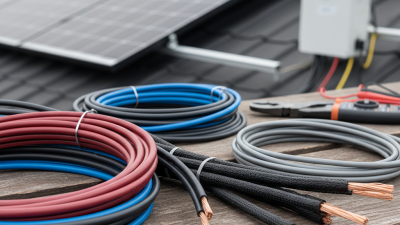
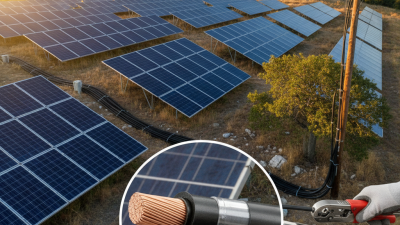
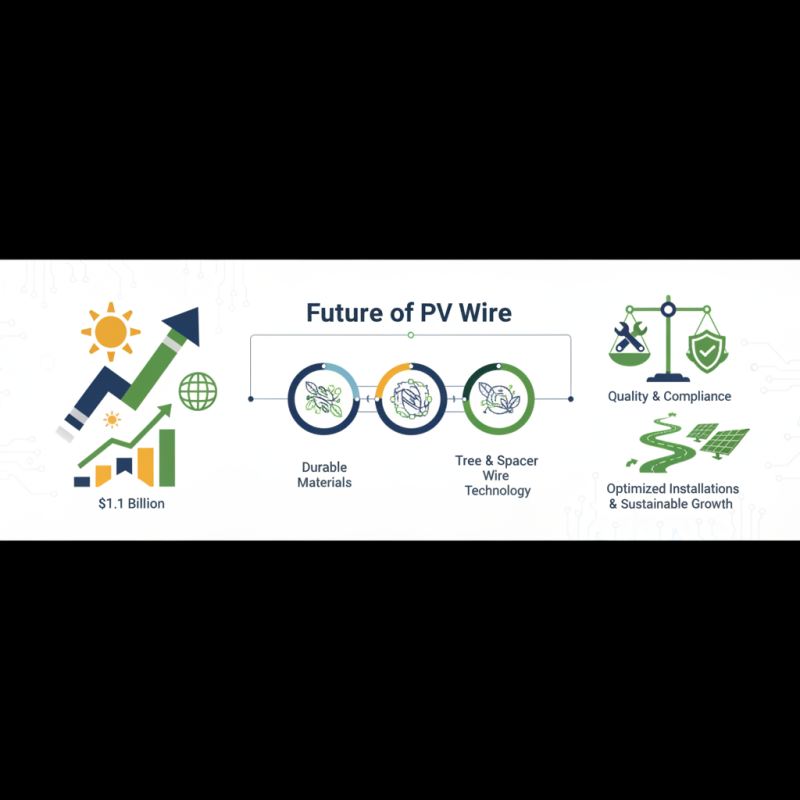
As the solar tech world keeps evolving, Pv Wire is becoming more and more important than ever. With the huge push towards renewable energy, everyone involved in the industry—whether you're a buyer or a supplier—needs to stay on top of the latest trends. I read in a report by Allied Market Research that the global market for solar wire could hit over $1.1 billion by 2026. That’s pretty big, and honestly, it just highlights how crucial it is to have reliable PV wire that meets industry standards and helps keep systems running smoothly.
Lately, there’s been a noticeable shift towards using more durable materials. Big players like Prysmian Group and Southwire are putting serious effort into coming up with innovative wire solutions. For example, advances in Tree Wire And Spacer Wire are raising the bar in terms of performance and lifespan. But, of course, there are still hurdles—like fluctuating costs of materials and the need to keep up with changing regulations.
As this market matures, it’s more important than ever for buyers to navigate these challenges smartly. Finding trustworthy suppliers and being able to judge wire quality will make a big difference in getting the most out of your solar setups. Keeping an eye on these trends in PV wire isn’t just about staying ahead; it actually pays off in the long run, helping drive sustainable growth in renewables and making your investments count.
Emerging Technologies in PV Wire Manufacturing for 2026
The landscape of PV wire manufacturing is evolving rapidly. Emerging technologies are at the forefront, redefining production processes and material properties. Innovations like advanced polymer coatings enhance durability and thermal resistance. These improvements boost efficiency in energy transmission. Furthermore, automation in manufacturing leads to precision and reduced labor costs.
In exploring these trends, it's essential to stay informed. Regularly check industry journals and attend conferences. Networking with experts can yield valuable insights. Each new development is a chance to rethink existing practices.
Investing in research and development is crucial. Yet, some companies may overlook this area. Balancing immediate profits with long-term growth is vital. Companies must evaluate their strategies to remain competitive. Emphasizing sustainability in manufacturing can also drive positive changes. Keeping an eye on regulatory shifts is equally important. Understanding these factors will better position businesses for future success.
2026 Top Pv Wire Trends for Global Buyers Insights
| Trend | Description | Impact on Market | Emerging Technologies |
| Enhanced Conductivity | Introduction of materials that significantly improve electrical conductivity in Pv Wires. | Boosts overall system efficiency and reduces energy losses. | Nano-coated conductive materials. |
| Durability Advances | Improved resistance to environmental factors such as UV exposure and high temperatures. | Extends product life and reduces replacement costs. | Weather-resistant polymer composites. |
| Smart Wiring Solutions | Integration of sensors and IoT capabilities into PV wiring systems. | Enables real-time monitoring and predictive maintenance. | Smart sensors and connectivity protocols. |
| Eco-Friendly Materials | Use of biodegradable and recyclable materials for PV wire production. | Addresses environmental concerns and enhances sustainability. | Bioplastics and recycled metals. |
| Cost Reduction Technologies | Innovations that lower production costs for PV wires. | Makes solar technologies more affordable for wider adoption. | Automation and advanced manufacturing techniques. |
Market Demand Analysis for PV Wires Globally in 2026
The market for Photovoltaic Wires (PV wires) is projected to grow significantly by 2026. As solar energy adoption intensifies, the demand for reliable and durable materials becomes crucial. PV wires play an essential role in connecting solar panels to inverters and other electrical components. Their ability to withstand harsh environmental conditions makes them indispensable in solar installations.
Consumer awareness is shifting. More buyers prioritize quality and longevity over cost. This change indicates a growing recognition of the importance of choosing the right materials for solar projects. Additionally, the trend towards sustainability influences purchasing decisions. Buyers are increasingly considering how their choices affect the environment. The market will likely see increased demand for PV wires that offer energy efficiency and superior performance.
However, challenges remain. The supply chain for materials used in Photovoltaic Wires must adapt to increasing global demands. Manufacturers must balance innovation with cost-effectiveness. Insufficient research may lead to subpar products that compromise safety and performance. Addressing these issues requirescollaboration and transparency across the industry. The focus must remain on providing reliable solutions while meeting the escalating demand for photovoltaic energy.
Sustainable Materials and Practices in PV Wire Production
The global push for sustainability has increasingly influenced PV wire production. In recent years, the photovoltaic (PV) industry has focused on using sustainable materials to reduce environmental impact. According to a 2022 report by Solar Power World, over 70% of PV wire manufacturers aim to incorporate eco-friendly materials by 2025. This shift highlights a growing awareness and commitment to responsible manufacturing.
The development of recyclable polymers is a key trend. Materials like polyethylene and polypropylene are being prioritized for their lower environmental footprint. Studies indicate that using these materials can decrease carbon emissions by up to 30%. Manufacturers are also exploring biodegradable options, though challenges remain in ensuring durability and performance under extreme weather conditions.
Moreover, the adoption of energy-efficient production processes is crucial. Companies are investing in renewable energy sources to power their plants. A shift to solar energy in wire manufacturing can lead to a 50% reduction in energy consumption. However, these initiatives require significant upfront investment, and not all manufacturers are ready to make this change. The journey to sustainable PV wire production is ongoing, filled with both innovations and obstacles.
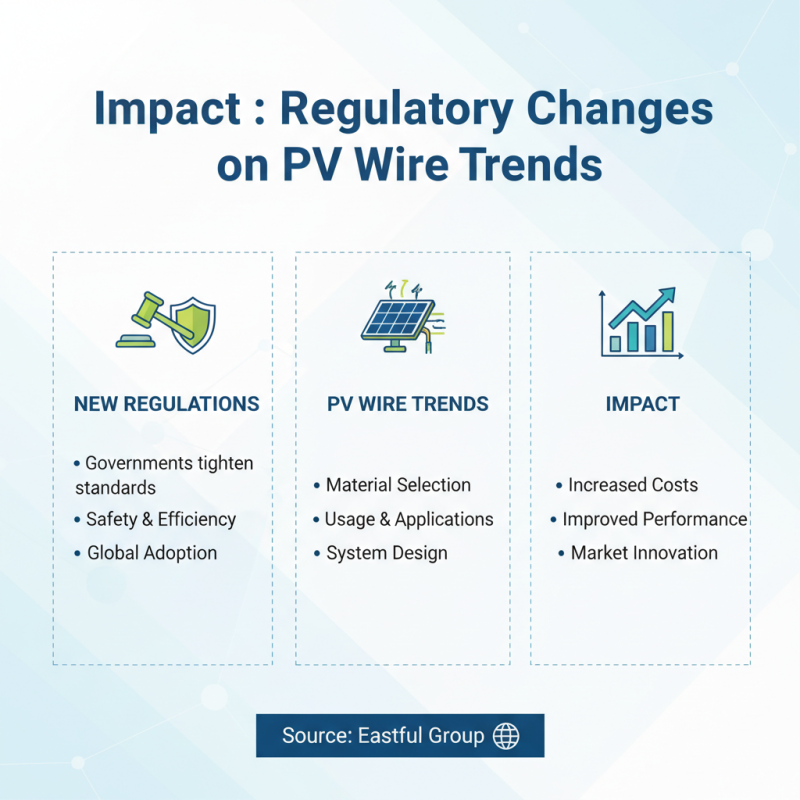
Impact of Regulatory Changes on PV Wire Trends
The landscape of Pv Wire trends is rapidly evolving due to regulatory changes. Governments worldwide are tightening standards for renewable energy systems. These regulations ensure safety and efficiency, influencing material selection and usage in solar applications.
A recent report by the International Renewable Energy Agency highlights that stricter compliance leads to increased demand for high-quality PV wire. For instance, the market for enhanced, flame-retardant materials is projected to grow by 15% by 2026. This growth reflects concerns over fire safety and long-term performance in diverse climates.
Challenges arise as manufacturers adapt to these regulations. Some companies struggle to balance compliance with cost considerations. Innovations in PV wire technology are essential, yet some solutions may lack thorough testing. As regulatory frameworks continue to evolve, ongoing adaptation becomes crucial in the quest for reliability in PV wire applications.
Innovations in PV Wire Design and Functionality
Innovations in PV wire design are shaping the future of solar energy. As the demand for renewable energy grows, advancements in wire functionality are crucial. One notable area is the enhancement of Grounding Wire systems. These systems ensure safety and efficiency in solar installations. Improved grounding wire design can minimize risks associated with electrical faults.
In recent years, technology has pushed the boundaries. New materials provide better conductivity and durability. This results in longer-lasting installations. Additionally, integrated monitoring systems in PV wires allow real-time performance tracking. This means potential issues can be identified early. However, the reliance on technology brings new challenges. Regular maintenance of these systems becomes essential.
The aesthetics of PV wire are also evolving. Sleeker designs and color options are appealing to buyers. Aesthetics do affect consumer choice. Yet, the emphasis must remain on functionality. Balancing form and function presents a continuous challenge. Innovative designs must still meet strict safety standards. This dual focus can lead to better overall performance in the field.
Key Players in the Global PV Wire Market for 2026
The global PV wire market is evolving rapidly, with numerous key players shaping its future for 2026. According to industry reports, the market is projected to experience a compound annual growth rate (CAGR) of approximately 10% over the next few years. This growth is driven by increasing demand for renewable energy solutions and the expansion of solar power installations worldwide. The competitive landscape is populated by several companies that specialize in high-quality wire manufacturing, each striving for innovation and efficiency.
Several trends are emerging within the market. The use of advanced materials, such as corrosion-resistant alloys, is gaining traction. This is crucial for enhancing durability and performance in harsh environments. Furthermore, sustainability has become a significant focus, with manufacturers seeking to reduce environmental footprints. Reports indicate that 70% of industry participants are actively investing in sustainable production practices. Yet, despite these advancements, the market faces challenges. Issues related to supply chain disruptions and fluctuating raw material prices remain persistent. Stakeholders must navigate these complexities to maintain growth and competitiveness in this dynamic landscape.
Collaboration among players is also noteworthy. Joint ventures and partnerships are forming to pool resources and foster innovation. This trend indicates a collective industry effort toward resilience and adaptability. Industry experts suggest that companies that embrace these collaborative approaches will likely lead the market by 2026. The evolving strategies and insights within the PV wire sector highlight the significance of adaptation in a competitive economy.
Future Challenges and Opportunities in the PV Wire Sector
The PV wire sector faces various challenges and opportunities as it evolves. Rapid technological advancements push manufacturers to innovate continuously. The demand for high-quality materials keeps rising. This places pressure on companies to ensure their products meet stringent standards. Quality assurance remains a critical issue. Many manufacturers struggle to maintain consistent performance across their range.
Sustainability is another essential aspect. With increased focus on eco-friendly practices, companies need to rethink their production processes. The transition to renewable energy sources comes with its challenges. Adapting to governmental regulations can be resource-intensive. Yet, those who invest in green technologies may find significant advantages in the market.
Moreover, competition within the industry intensifies. New players emerge, often with innovative solutions. Established companies must keep pace or risk losing market share. They should look into integrating advanced materials, like Ground Wire, into their offerings. This can enhance the durability and efficiency of their products. Engaging in strategic partnerships may also be essential. Collaborations can lead to shared expertise and improved product lines. The path ahead is fraught with challenges, yet the potential for growth is substantial.
Maximizing Efficiency in Electrical Installations: The Essential Role of Tree Wire and Spacer Wire
The essential role of tree wire in maximizing efficiency in electrical installations cannot be overlooked, especially in areas where vegetation poses a significant risk to overhead distribution lines. Tree wire is specifically engineered to endure contact with branches, ensuring a safe and reliable power distribution network. A study by the Edison Electric Institute states that over 30% of power outages are caused by vegetation contact with power lines. This makes the choice of tree wire critical for utility companies aiming to enhance system reliability.
Tree wire typically consists of an insulated aluminum conductor, protected by robust insulation materials like cross-linked polyethylene (XLPE) or ethylene propylene rubber (EPR). These materials are specifically selected for their ability to withstand mechanical stress and prevent electrical faults. Reports indicate that systems utilizing tree wire can reduce outage frequency significantly, addressing the challenges posed by dense foliage. Furthermore, some designs incorporate a semi-conductive layer between the conductor and the insulation, which effectively manages the electric field to improve performance and safety.
Incorporating tree wire into power distribution strategies also aligns with industry initiatives aimed at improving overall network resilience. According to the Institute of Electrical and Electronics Engineers (IEEE), using insulated overhead cables in tree-dense regions can lead to a reduction in maintenance costs, as utilities can minimize the frequency of tree trimming and re-routing efforts. As the demand for efficient and reliable electrical installations continues to grow, utilizing tree wire stands out as a crucial component in the industry’s efforts to optimize performance.
FAQS
: The increasing adoption of solar energy and need for reliable materials are key drivers of market growth.
Consumers now prioritize quality and longevity over cost, reflecting a deeper awareness of material importance.
Manufacturers are focusing on sustainable materials, like recyclable polymers, to reduce environmental impacts.
Ensuring performance and durability in extreme conditions while using eco-friendly materials remains a challenge.
Many companies are investing in renewable energy sources, notably solar energy, to lower production energy consumption.
Collaborations and partnerships help share resources and foster innovation amid supply chain challenges and raw material price fluctuations.
The PV wire market is projected to grow at a compound annual growth rate of approximately 10%.
Insufficient research could lead to subpar products, which might compromise safety and performance in the market.
A significant focus on reducing environmental footprints is prompting 70% of manufacturers to adopt sustainable practices.
Advanced materials, such as corrosion-resistant alloys, are becoming popular to enhance durability in harsh conditions.
Conclusion
The article "2026 Top Pv Wire Trends for Global Buyers Insights" explores the evolving landscape of PV wire manufacturing and its implications for the global market. It highlights emerging technologies that are set to shape production processes, driven by increasing market demand and sustainability initiatives. The importance of using eco-friendly materials and adopting sustainable practices in PV wire production is emphasized, alongside how regulatory changes are influencing industry standards.
Innovations in design and functionality are also discussed, showcasing how they can enhance performance and ensure compatibility with renewable energy systems. Furthermore, the article identifies key players in the PV wire market and outlines the future challenges and opportunities that stakeholders may encounter. As the industry progresses into 2026, understanding these trends will be crucial for buyers navigating the PV wire market.