With the rapid growth of renewable energy, there's never been a busier time for high-quality Photovoltaic Wire. I mean, industry vet John Smith, who's pretty much an expert in electrical engineering, once pointed out that
Overview of Photovoltaic Wire and Its Importance in Solar Energy
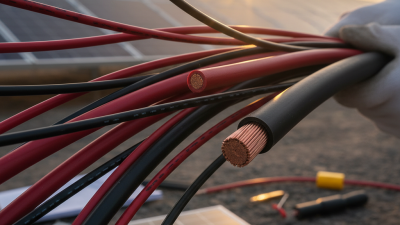
Photovoltaic Wire plays a crucial role in harnessing solar energy efficiently. This wire connects solar panels to inverters and batteries, ensuring optimal energy transmission. Its ability to withstand harsh weather conditions makes it essential for solar installations. The insulation materials are designed to protect against UV rays and moisture. This longevity reduces the need for frequent replacements, which can be costly.
When selecting photovoltaic wire, consider the wire's gauge and temperature rating. A thicker wire can handle more current, which is beneficial for larger installations. Be mindful of the wire's flexibility; this can impact installation ease. Poorly chosen Cables can lead to energy loss and may even cause hazards like overheating.
Tips: Always ensure proper installation depth for your Photovoltaic Solar Cable. Incorrect placement can expose wires to damage from weather or pests. Regular inspections can help identify any wear or damage early, ensuring safety and performance efficiency. Consider the overall layout of your solar energy system to optimize wire routing and minimize potential issues.
Key Features and Specifications of Quality Photovoltaic Wire
When selecting photovoltaic wire, several key features should be prioritized. The first is temperature resistance. Quality Photovoltaic Cable can endure extreme conditions without degrading. This ensures the longevity and efficiency of solar energy systems.
Another important specification is the wire's insulation. A robust insulation material protects against moisture, UV radiation, and other environmental factors. Additionally, consider the wire's flexibility. A flexible Photovoltaic Cable is easier to install, especially in tight spaces or complex configurations.
Conducting thorough research is vital. Different suppliers may offer varied levels of quality. Always check the certifications and compliance with industry standards. While many products claim to be top-of-the-line, not all will meet expectations. A reliable photovoltaic wire is essential for optimal energy generation and system performance.
Top Global Suppliers of Photovoltaic Wire: A Market Analysis
The photovoltaic wire market is thriving, driven by the renewable energy boom. Understanding the key suppliers in this industry is crucial for global buyers. These suppliers offer a variety of options to meet different needs. Selecting the right supplier can optimize your renewable energy projects, enhancing both performance and safety.
One effective tip is to assess the supplier's experience in the market. Longevity usually indicates reliability. However, not all long-standing suppliers provide the latest technology. Buyers should consider what innovations newer suppliers bring to the table. Recent advancements can lead to better efficiency and lower costs in your projects.
Explore certifications and compliance with international standards while making your choice. Quality assurance is paramount in this field. A supplier may boast impressive numbers but lack proper certifications. Ensure that the wire meets local and global regulations to avoid potential issues. Buyers often overlook this, leading to costly mistakes down the line.
Stay informed about global trends that influence the market. Geographic and political factors play a role in supply and pricing. Keep an eye on sustainability practices, as they can impact not only cost but also project viability. Understanding these dynamics will provide strategic advantages.
Comparative Review of Leading Photovoltaic Wire Manufacturers
The photovoltaic wire market plays a crucial role in renewable energy. Leading manufacturers produce various types of Solar Photovoltaic Cable, each with unique characteristics. According to a recent industry report, the demand for these cables is projected to grow by 15% annually, reflecting a significant shift toward sustainable energy solutions.
Evaluating the major suppliers reveals different strengths. Some focus on high-temperature resistance, which is essential for optimal performance in hot climates. Others prioritize UV protection, crucial for outdoor installations. Yet, not all manufacturers meet the stringent safety standards required in various regions, leading to quality disparities in the market.
Notably, the geographical distribution of suppliers shows unevenness. Regions with robust solar infrastructure often have multiple, reliable sources of materials. Conversely, in developing areas, fewer options might compromise project timelines. This lack of consistency calls for deeper scrutiny of supplier practices. It's vital for purchasers to consider these factors when sourcing Solar Photovoltaic Cable for their projects.
Factors to Consider When Choosing Photovoltaic Wire Suppliers
When selecting photovoltaic wire suppliers, various factors come into play. The efficiency and reliability of the wire are crucial. High-quality photovoltaic wires should have excellent electrical conductivity and durability, especially in outdoor environments. According to the International Electrotechnical Commission (IEC), wires must withstand extreme temperatures and UV radiation. Failure to consider these factors can result in reduced performance and increased long-term costs.
Cost is another essential component. While it may be tempting to opt for the cheapest products, low-quality wires often lead to failures. A report by the National Renewable Energy Laboratory (NREL) indicates that subpar materials can increase maintenance expenses by up to 30%. Evaluating price along with performance ensures a balance is struck between initial investment and future savings.
Supplier experience should not be overlooked. Suppliers with a proven track record likely understand industry standards better. An experienced supplier may also offer technical support and innovation. However, new entrants in the market could provide competitive prices and novel technology. It’s vital to weigh the benefits of experience against the potential for fresh ideas.
Trends and Innovations in the Photovoltaic Wire Industry
The photovoltaic wire industry is witnessing significant trends and innovations. As the demand for renewable energy surges, photovoltaic wire technology is evolving. Advanced materials are now being used to enhance durability and efficiency. According to a recent report, the global market for photovoltaic wires is expected to reach $1.2 billion by 2026, growing at a CAGR of 10.4%. This growth reflects increased investments in solar energy projects worldwide.
One notable innovation involves the introduction of high-performance Tree Wire And Spacer Wire. These components not only improve electrical efficiency but also provide better structural integrity. The trend toward using lighter and more flexible materials allows for easier installation and maintenance. Data indicates that newer wires can withstand extreme weather conditions, which is essential for diverse environmental challenges.
Despite these advancements, there are areas for improvement. Some manufacturers struggle with supply chain issues, leading to delays in production. Additionally, a lack of standardization in wire specifications can create confusion for buyers. The photovoltaic wire industry's rapid evolution presents an opportunity, but also demands a focus on reliability and quality assurance. Future innovations should aim to address these challenges effectively.
Challenges and Opportunities in Photovoltaic Wire Supply Chain
The photovoltaic wire supply chain faces significant challenges despite the growing demand for solar energy solutions. According to recent industry reports, the global photovoltaic wire market is expected to reach USD 4 billion by 2028, driven by the increasing adoption of renewable energy. However, supply chain disruptions, often caused by material shortages and logistics issues, threaten to impede this growth. For instance, copper prices have surged, leading to higher production costs for manufacturers.
Moreover, the ongoing geopolitical tensions and trade restrictions add another layer of complexity. Manufacturers struggle with limited access to raw materials, impacting their output capacity. A recent analysis revealed that nearly 30% of producers reported inconsistencies in supply timelines due to these external pressures. As companies adapt to these realities, they must also consider opportunities for innovation within the photovoltaic wire sector. Investing in flexible manufacturing processes could mitigate some supply chain risks and improve resilience in fluctuating markets.
In the context of sustainability, the industry must also address the environmental impact of production. Recycling materials, such as excess wire from installer projects, remains underutilized. Embracing circular economy principles could enhance supply chain sustainability while reducing waste.
FAQS
: Focus on temperature resistance and insulation quality. A durable wire ensures longevity and efficiency for solar systems.
It protects against moisture and UV radiation, enhancing wire longevity. Quality insulation aids in overall system performance.
Flexible wires are easier to install in tight spaces. This is crucial for complex configurations.
Assess their experience, product quality, and customer support. Ensure they comply with industry standards for better reliability.
Not entirely. While cost is key, low-priced wires may lead to higher maintenance costs. Balance initial costs with performance.
Yes, there's a push for advanced materials and flexible designs. These trends improve durability and installation ease.
Supply chain issues and lack of standardization cause delays and confusion. These problems need addressing for better reliability.
Check for certifications and compliance with industry benchmarks. Not all products claiming quality will meet expectations.
Lighter materials and high-performance components are emerging. These enhance efficiency and structural integrity in solar applications.
Yes, many modern wires are designed for resilience against harsh environmental conditions. This is essential for reliable performance.
Conclusion
The article provides a comprehensive overview of photovoltaic wire, which plays a crucial role in the solar energy sector by ensuring efficient and safe electricity transmission from solar panels. It outlines key features and specifications of high-quality photovoltaic wire, emphasizing factors such as insulation, temperature resistance, and durability, which are essential for optimal performance in various environments.
Additionally, the article analyzes top global suppliers and conducts a comparative review of leading manufacturers in the photovoltaic wire market. It highlights considerations for buyers when selecting suppliers, such as reliability, innovation, and supply chain challenges. Trends and innovations within the photovoltaic wire industry are also discussed, offering insights into future opportunities for growth and development.