Stock Code: 874632
    Leave Your Message
    0%

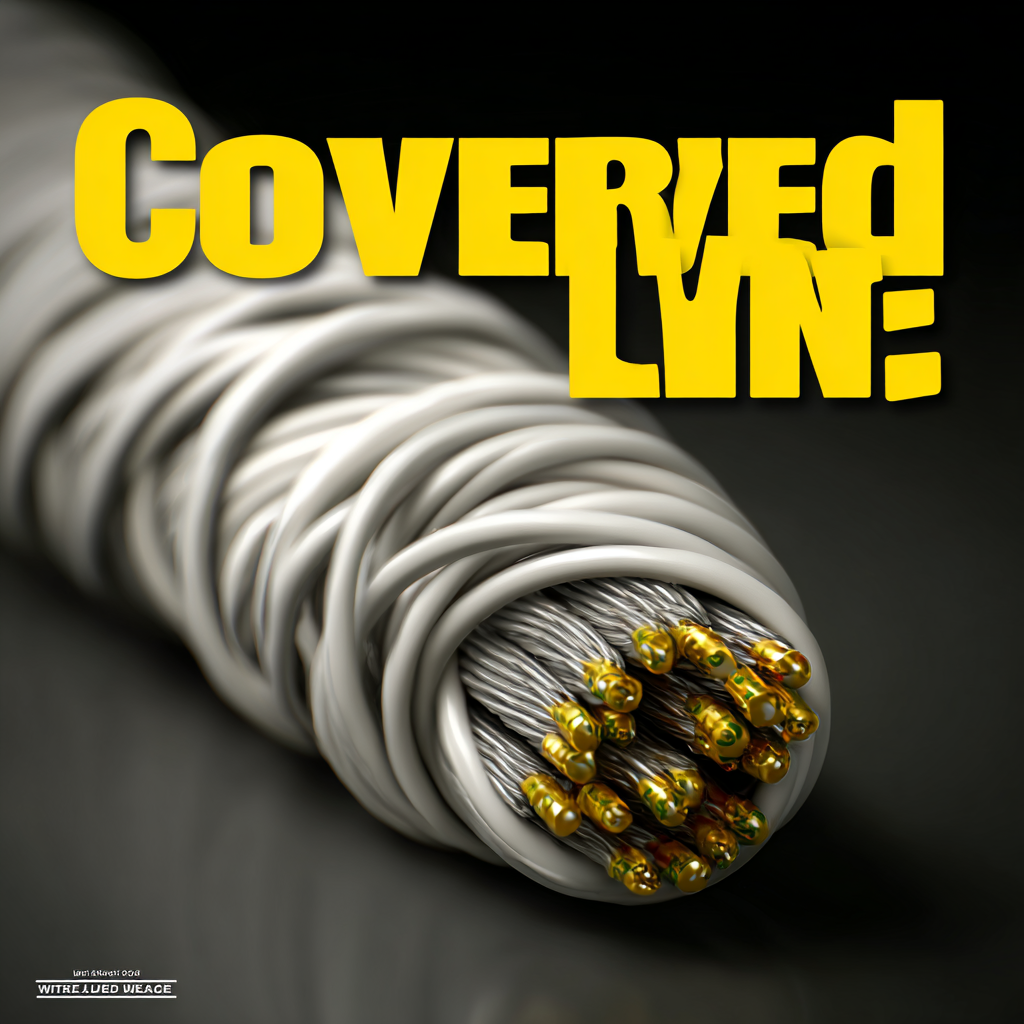
    Hey there! So, you know how fast things change in the world of electrical wiring, right? Well, picking the right materials can really make a difference in how successful and safe your project turns out. One key player in this game is Covered Line Wire. It’s super important for all kinds of setups—whether you’re working on a cozy home project, something commercial, or even in heavy-duty industrial situations. Did you hear that the global Wire And Cable market is expected to skyrocket to about276.1 billion dollars by 2025? That’s according to a recent report from Grand View Research. It’s mainly because everyone’s on the lookout for better electrical wiring solutions.
    Your Ultimate Guide to Choosing the Best Covered Line Wire for Your Projects

    Speaking of key players, have you heard of Eastful Group Co., Ltd.? They’ve been around since 1997 and have really made a name for themselves in the industry. They're all about innovation—investing in research and development and creating expert workstations. Plus, as a high-tech company that combines production and sales, Eastful is dedicated to delivering top-notch Covered Line Wire. They really aim to meet the diverse needs of their clients while ensuring that their projects remain reliable. Pretty cool, huh?

    Understanding the Different Types of Covered Line Wires and Their Applications

    Hey there! So, if you're diving into a project and need to pick the right covered line wire, you’ve got to get a grip on the different types out there. These wires are specially made for all kinds of jobs, whether it's wiring up your home or tackling something more commercial. For example, some wires come with insulation that shields them from moisture and those pesky UV rays, which makes them perfect for outdoor work. But then again, if you’re dealing with an area that gets super hot, you’ll want high-temperature wires that can handle the heat without a hitch.

    Quick tip: Always double-check the wire's ratings and specs to make sure it fits your project’s needs. Different tasks might require different levels of conductivity, flexibility, and durability, so it’s critical to choose the wire that actually matches what you're doing.

    And don’t forget to think about where you’ll be installing the wire! Some covered line wires are made for wet locations, while others are meant for dry settings. Picking the right kind can really boost the lifespan and safety of your electrical setups.

    Another tip: If you’re feeling unsure about anything, it’s a good idea to chat with a pro or look up your local building codes. That way, you can make sure you’re sticking to safety standards and compliance for your projects!

    Key Factors to Consider When Selecting a Covered Line Wire Manufacturer

    So, when you're on the hunt for a manufacturer for covered line wires, there are a few crucial things to keep in mind. First off, the quality of materials is super important. You really want to find manufacturers that use tough, weather-resistant coatings. This way, you can be sure the wires will last through all kinds of weather. Studies show that wires with really high tensile strength are way less likely to break, which is a big deal for keeping things running smoothly.

    Also, don't forget to check out the manufacturer's certifications and whether they follow industry standards. Products that have certain safety and quality certifications tend to be more dependable, saving you from potential headaches down the line. Reports say that manufacturers with a solid track record of compliance can lower your operational risks by as much as 30%—pretty impressive, right?

    **Pro tip:** As you weigh your options, don’t hesitate to ask for samples and run some stress tests to see how they hold up in real-life scenarios. Checking out customer reviews and testimonials is another great way to get the scoop on how reliable and supportive a manufacturer really is. And let's not overlook the importance of solid technical support and after-sales service; they're clutch when it comes to troubleshooting and maintenance. Trust me, having that peace of mind makes a huge difference!

    Your Ultimate Guide to Choosing the Best Covered Line Wire

    Here is a comparison chart showing the key factors that most affect the selection of covered line wire for various projects. This data highlights the importance of tensile strength, insulation types, length options, and resistance to environmental factors. Understanding these factors can help you make informed decisions when choosing a wire manufacturing partner.

    Analyzing Performance: Industry Standards and Quality Metrics for Covered Line Wires

    When you're trying to choose the best covered line wire for your projects, it really helps to dig into how they perform based on industry standards and quality markers. The National Electrical Manufacturers Association, or NEMA for short, has laid out some specific standards. You want to look for things like temperature ratings and types of insulation to make sure your wire will do its job reliably. For example, a wire rated at 90°C is a solid choice for tougher jobs compared to ones with lower ratings. It gives you that peace of mind for safety and boosts performance too.

    A couple of tips I’ve picked up? Always go for wires that follow ANSI/ICEA standards—that's key because it means they've been put through some serious testing for durability and safety in different scenarios. Also, think about the insulation material; stuff like PVC and XLPE is super popular since they offer great electrical properties and stand up well against the elements.

    Don’t forget about quality metrics like tensile strength and elongation. These are important indicators of how tough the wire is. In fact, a recent report from the International Electrotechnical Commission (IEC) pointed out that higher tensile strength wires can really lower the chances of breakage when they’re under mechanical stress. This is especially true in situations where flexibility and movement are a big deal. So, always make it a priority to choose wires that come with detailed performance data to ensure they’ll rise to the challenge for your project.

    Your Ultimate Guide to Choosing the Best Covered Line Wire for Your Projects

    Comparative Review of Top Manufacturers in the Covered Line Wire Sector

    Alright, so if you're diving into the world of covered line wire for your electrical projects, you really wanna know who the key players are and what they bring to the table. I came across a market analysis by Mordor Intelligence, and it looks like the covered wire market is set to grow at a solid 6.5% each year between 2021 and 2026. This growth is spurred on by an uptick in infrastructure projects and the push for better energy efficiency. Now, let's talk about the heavy hitters in the game—Southwire, General Cable, and Nexans. Each of these companies has its own strengths when it comes to durability, flexibility, and pricing.

    If we take a closer look, Southwire stands out with some pretty innovative production techniques, which has led to a 15% lower failure rate compared to its competitors. They really take testing seriously! Then you've got General Cable, which has a huge variety of products that can fit almost any application, snagging about 25% of the market share. And let's not forget about Nexans—they're really stepping up the sustainability game, with 30% of their products now eco-friendly, something that's super important these days as more folks care about the environment. Overall, these manufacturers are definitely leaving their mark on the covered line wire industry, offering options that can suit whatever project you’ve got in mind.

    Your Ultimate Guide to Choosing the Best Covered Line Wire for Your Projects

    Manufacturer Wire Type Diameter (mm) Material Coating Type Temperature Rating (°C) Price per Meter ($)
    Manufacturer A Type 1 2.5 Copper PVC 90 0.30
    Manufacturer B Type 2 1.5 Aluminum Polyethylene 70 0.25
    Manufacturer C Type 3 4.0 Copper XLPE 90 0.50
    Manufacturer D Type 1 2.5 Aluminum PVC 80 0.28

    Cost-Effectiveness: Balancing Quality and Budget for Your Wire Needs

    So, when you're on the hunt for the best covered line wire for your projects, you really can’t overlook the whole cost-effectiveness thing. Finding that sweet spot between quality and your budget can seriously make a difference—helping you get the results you want without breaking the bank. There are tons of options out there, but trust me, picking a wire that’s both durable and affordable is absolutely crucial.

    Here’s a little tip: do some digging into brands that are known for offering solid value with their products. It’s always a good idea to check out user reviews too; they can really highlight how well a wire performs while still being easy on your wallet. And don’t forget to look for wires that come with a warranty—it’s nice to know you’re covered if anything goes wrong.

    Also, think about the materials used in the wire’s construction. A quality covered line wire should be tough enough to withstand the elements, but it doesn’t have to cost an arm and a leg. Picking the right thickness and coating can really make a difference in how long it lasts and if it’ll actually meet your project’s needs, which could save you a decent amount of cash in the long run.

    Sustainability in Manufacturing: Choosing Eco-Friendly Covered Line Wire Options

    You know, sustainability in manufacturing is a big deal nowadays, especially in industries like electrical and construction. When you're picking covered line wire, going for eco-friendly materials doesn’t just cut down on environmental impact; it really boosts the sustainability of your projects overall. I came across this fascinating report from Allied Market Research that predicts the eco-friendly wire and cable market is gonna hit a whopping $7.5 billion by 2025! And it’s mostly thanks to folks becoming more aware of environmental issues and looking for sustainable options. This just shows how crucial it is for manufacturers to step up their game and embrace greener practices in how they produce their stuff.

    Your Ultimate Guide to Choosing the Best Covered Line Wire for Your Projects

    Choosing covered line wire made from recycled materials can really help lower the carbon footprint tied to construction projects. Believe it or not, a study from the International Energy Agency shows that using recycled metals can save up to 70% of the energy compared to making new ones. Plus, these days, a lot of manufacturers are rolling out wires that are coated with safe compounds — not only do they provide the insulation and protection you need, but they also meet important environmental regulations like RoHS (which limits hazardous substances). So, when project managers choose eco-friendly covered line wire, it’s a win-win! They're helping make a more sustainable future while responding to the growing call for responsible manufacturing practices.

    Enhancing Grid Resilience: The Impact of Covered Conductors on Reducing Outages and Improving Safety Based on Industry Insights

    As we strive to enhance grid resilience, the use of covered conductors emerges as a pivotal solution in minimizing outages and improving safety across various electrical infrastructures. According to recent industry insights, the implementation of covered conductors has been shown to reduce outage rates by up to 25%, significantly mitigating the risks associated with adverse weather conditions and wildlife interference. These conductors are not only instrumental in providing uninterrupted power supply but also play a crucial role in ensuring safety for both utility workers and the community.

    Our range of covered conductors is specifically designed for a variety of applications in residential, commercial, and industrial settings. Engineered with high conductivity materials, these conductors facilitate efficient power transmission while their robust insulation minimizes the potential for electrical hazards. The versatility in sizes and types allows for tailored solutions that comply with international safety standards, ensuring reliable performance under different operational conditions. With increasing demands for resilience in electrical grids, integrating covered conductors proves to be a proactive approach to securing infrastructure against common interruptions and enhancing overall safety protocols.

    Incorporating covered conductors not only aligns with modern safety and efficiency standards but also reflects a commitment to industry best practices. As utility companies globally move toward greater reliability in electricity delivery, the strategic deployment of these conductors could serve as a fundamental asset in transforming grid management and bolstering the safety of electrical systems.

    FAQS

    : What are covered line wires used for?

    : Covered line wires are designed for various applications, including residential wiring and commercial installations, with specific wires for outdoor use, moisture protection, and high-temperature environments.

    How should I choose the right covered line wire?

    Choose the right wire by verifying its ratings and specifications to match the conductivity, flexibility, and durability needs of your project while considering the installation environment.

    Are there covered line wires suitable for wet locations?

    Yes, certain covered line wires are designed specifically for wet locations, while others are intended for dry environments. It’s important to select the appropriate type for your installation conditions.

    What factors contribute to the cost-effectiveness of covered line wires?

    Cost-effectiveness involves balancing quality and budget, selecting durable and affordable wires, and considering materials used in construction to ensure resilience against environmental factors.

    How can I assess the quality of covered line wires?

    Research brands with positive user reviews that highlight performance features and consider wires that come with warranties for added peace of mind regarding potential defects.

    What impact does wire thickness and coating have on performance?

    The right thickness and coating of a covered line wire can enhance its longevity and ensure it meets the specific needs of your project, which can save money in the long run.
    Lila

    Lila

    Lila is a dedicated marketing professional at Yufeng Technology Co., Ltd., where her expertise shines in promoting the company's innovative products and services. With a strong background in digital marketing and a keen eye for detail, Lila frequently updates the company’s professional blog,......
    Previous Advantages of Choosing Fire Resistant Cables for Your Projects